Let There Be Light
Let There Be Light

Let There Be Light

1946
Movie
58 min
English

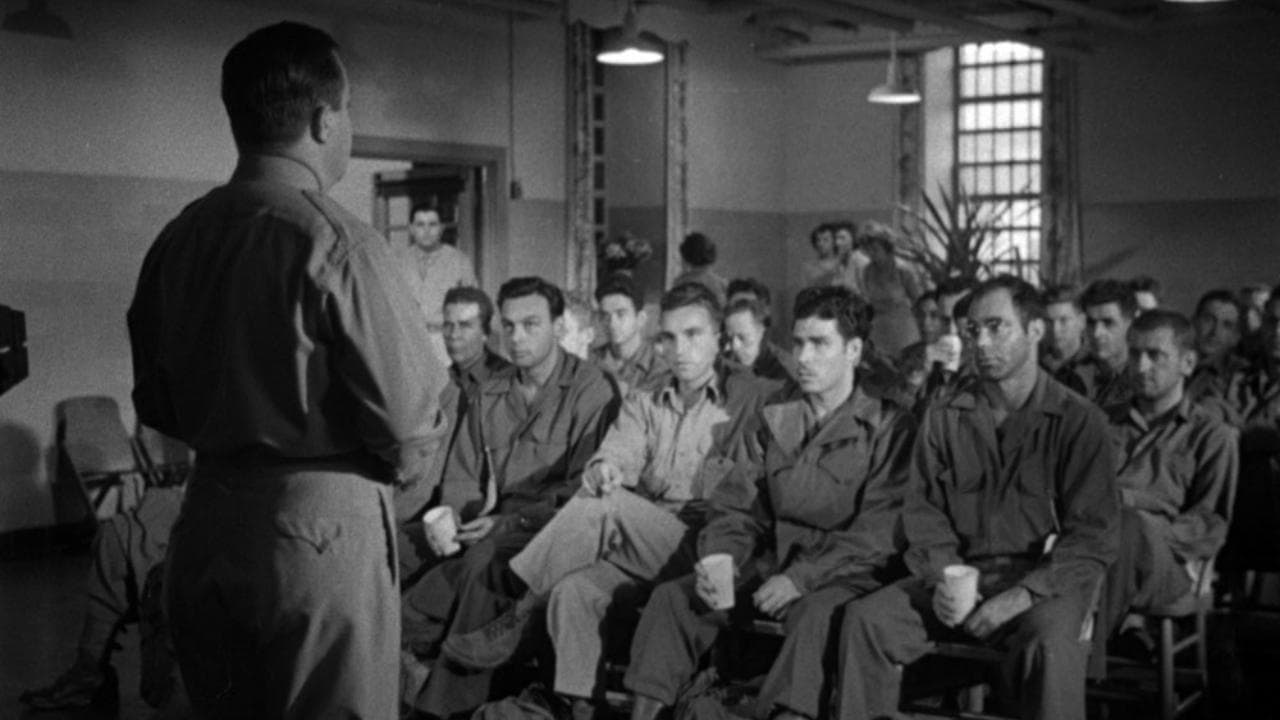
The final entry in a trilogy of films produced for the U.S. government by John Huston. Some returning combat veterans suffer scars that are more psychological than physical. This film follows patients and staff during their treatment. It deals with what would now be called PTSD, but at the time was categorised as psychoneurosis or shell-shock. Government officials deemed this 1946 film counterproductive to postwar efforts; it was not shown publicly until 1981.

Read Reviews

Insights

IMDb7.8/10
Rotten Tomatoes97%
Director: John HustonGenres: Documentary, War

Plot Summary

This powerful documentary, commissioned by the U.S. War Department, examines the psychological trauma experienced by soldiers during World War II. It unflinchingly depicts the mental and emotional toll of combat through interviews with soldiers and their treatment at a psychiatric hospital. The film aims to destigmatize mental illness in the military and highlight the importance of understanding and addressing combat neuroses. It showcases the efforts of medical professionals to help soldiers recover and reintegrate into society.

Critical Reception

Initially suppressed by the U.S. Army due to its graphic depiction of mental suffering and fear of public perception, 'Let There Be Light' is now widely regarded as a landmark documentary. It broke new ground in its honest portrayal of shell shock and PTSD, earning critical acclaim for its humanistic approach and John Huston's sensitive direction. While its initial release was restricted, its historical significance and impact on the understanding of war trauma are undeniable.

What Reviewers Say

  • Praised for its groundbreaking and honest portrayal of psychological trauma in war.
  • Hailed as a sensitive and humanistic exploration of soldiers' mental well-being.
  • Recognized for its historical significance in documenting the impact of combat neuroses.

Google audience: While specific Google user ratings are not readily available due to the film's historical context and limited initial release, contemporary and retrospective reviews highlight its profound impact and the courage it took to address such sensitive subject matter.

Awards & Accolades

None notable due to its initial suppression and limited public distribution.

Fun Fact

The film was initially classified and suppressed by the U.S. Army for 20 years after its creation, fearing it would undermine morale and public perception of the war effort.

AI-generated overview · Verify ratings on official sources

My Review