Movie spotlight
Mágnás Miska
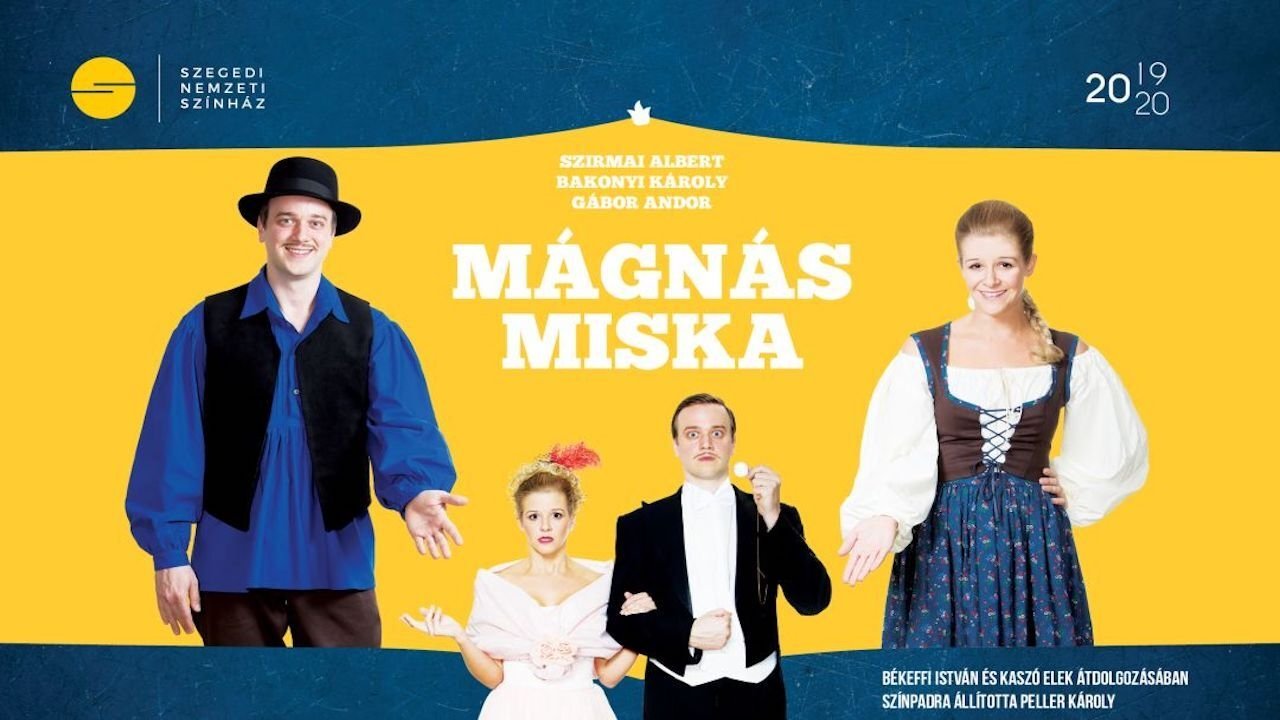
In the story, Ivan Baracs seeks revenge by shaming his noble friends. He dresses his groom, Misha, in a tailscoat and introduces him into society as Count Tasziló. Mishka's fiancée, Marchesa, the dishwasher girl with the palms of her hands, becomes Countess Mary... The interesting thing about Mishka the Magician is that it is one of the rare pieces of operetta literature in which the dancer-comedian and the sub-radio play the leading roles.
Insights
Plot Summary
This vibrant musical comedy follows the misadventures of Miska, a cunning servant who becomes entangled in the affairs of a wealthy count and his beautiful daughter. Through a series of clever schemes and romantic entanglements, Miska navigates the complexities of class and love in early 20th-century Hungary. The story unfolds with witty dialogue, charming performances, and delightful musical numbers.
Critical Reception
Mágnás Miska (2020) was generally well-received by audiences and critics alike, particularly for its faithful adaptation of the beloved operetta, its energetic performances, and its comedic timing. The production was praised for its colorful staging and its ability to bring a classic story to life with a fresh perspective. Some minor critiques noted the familiar nature of the plot, but overall, it was celebrated as an entertaining and charming musical.
What Reviewers Say
Praised for its energetic and charming musical numbers.
Applauded for strong comedic performances and witty execution.
Celebrated as a faithful and visually appealing adaptation of a classic operetta.
Google audience: Audience reception was positive, with many viewers enjoying the musical's lighthearted humor, engaging performances, and classic operetta charm. The production's visual appeal and faithfulness to the original source material were frequently highlighted.
Fun Fact
The 2020 production of Mágnás Miska is a filmed version of a stage musical that has been a staple of Hungarian theater for decades, originally composed by Albert Szirmai with lyrics by Károly Bakonyi and Dezső Martos.
AI-generated overview · Verify ratings on official sources