
Movie spotlight
Superstition
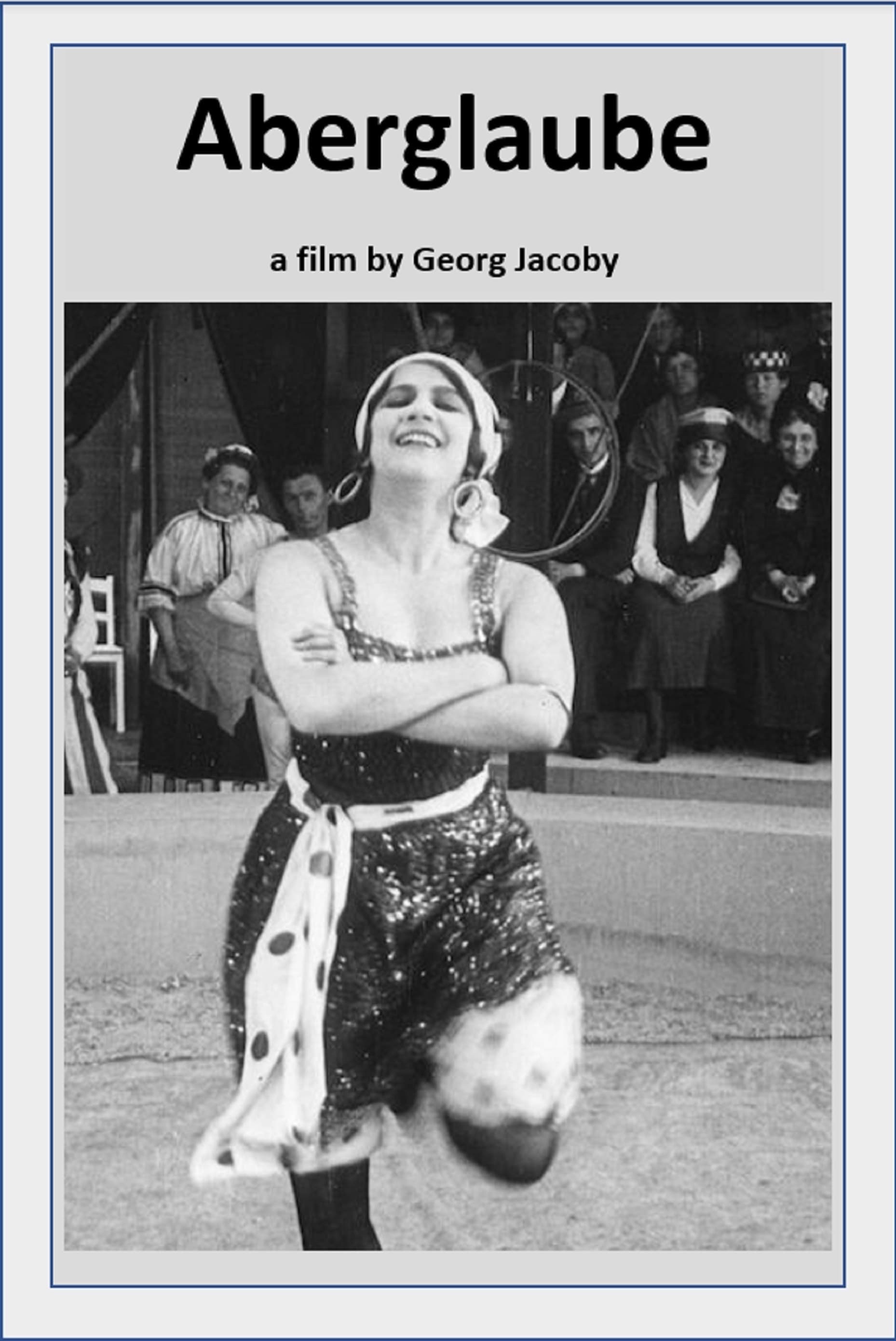
In a circus, visitor who has just fallen for the “gypsy” dancer Militza is stabbed by a jealous clown, Bajazzo. Militza escapes to the country village of Marienhagen, finding shelter in the house of a local Catholic priest. The priest also falls for Militza. When he is subsequently struck dead by a bolt of lightning one evening during Mass, his mother blames Militza and has her cast out of the village. Militza joins a theatrical troupe whose married leader is disappointed with the general lack of artistic talent and begs Militza to leave with him. Militza refuses, and instead flees on her own. Onboard a ship, she is surprised to encounter the leader of the troupe again. The ship sinks, he dies. She is rescued by a nobleman who takes her to his country estate. Here she finds peace and true love. When the dead priest’s vengeful mother learns that Militza is alive, she kindles fear and superstition among the villagers, who stone Militza to death.
Insights
Plot Summary
A young woman is haunted by a family curse tied to a mysterious locket. She believes it brings misfortune and attempts to escape its influence, leading her through a series of unsettling events. The film explores themes of fate, fear, and the psychological impact of inherited beliefs.
Critical Reception
As a silent film from 1919, contemporary critical reception is difficult to ascertain with modern metrics. However, surviving records suggest it was viewed as a melodramatic and suspenseful piece, typical of early horror and mystery films that focused on atmosphere and psychological tension.
What Reviewers Say
A notable example of early European horror.
Explores psychological dread through visual storytelling.
Features a compelling, albeit melodramatic, narrative.
Google audience: Information regarding specific Google user reviews for a film from 1919 is unavailable.
Fun Fact
The film was based on a stage play of the same name, which was also a popular work during its time.
AI-generated overview · Verify ratings on official sources