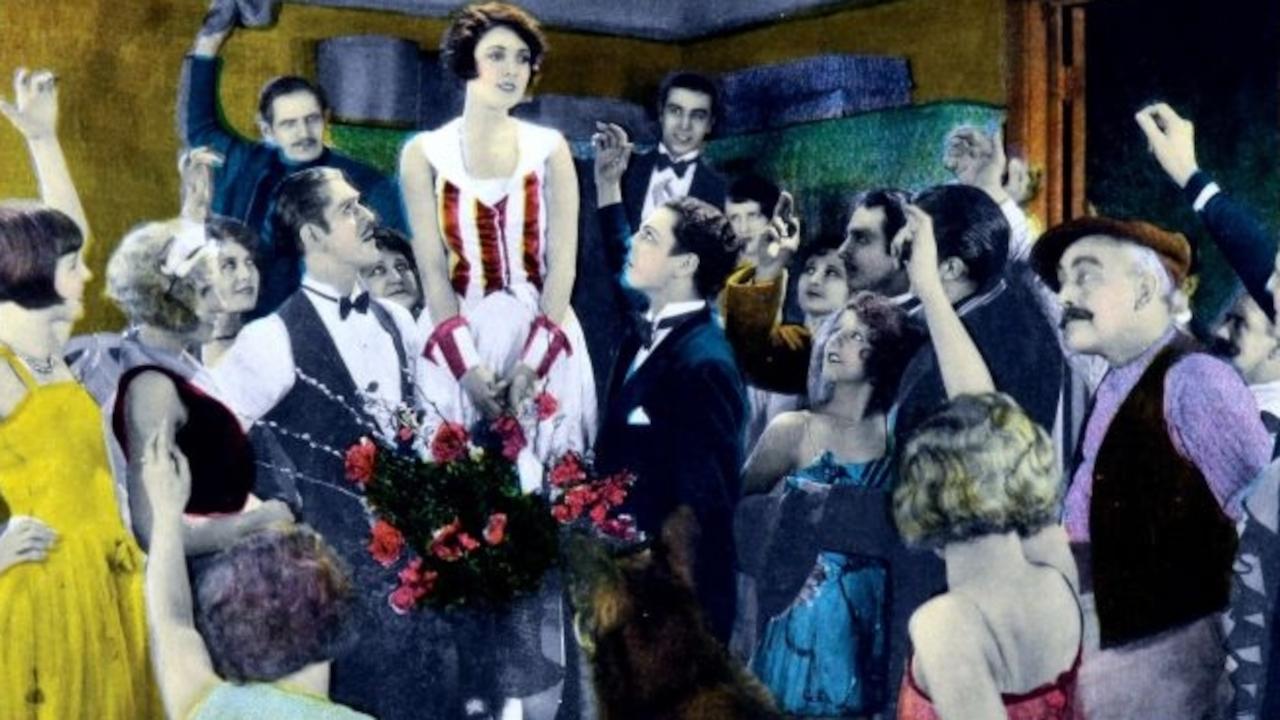
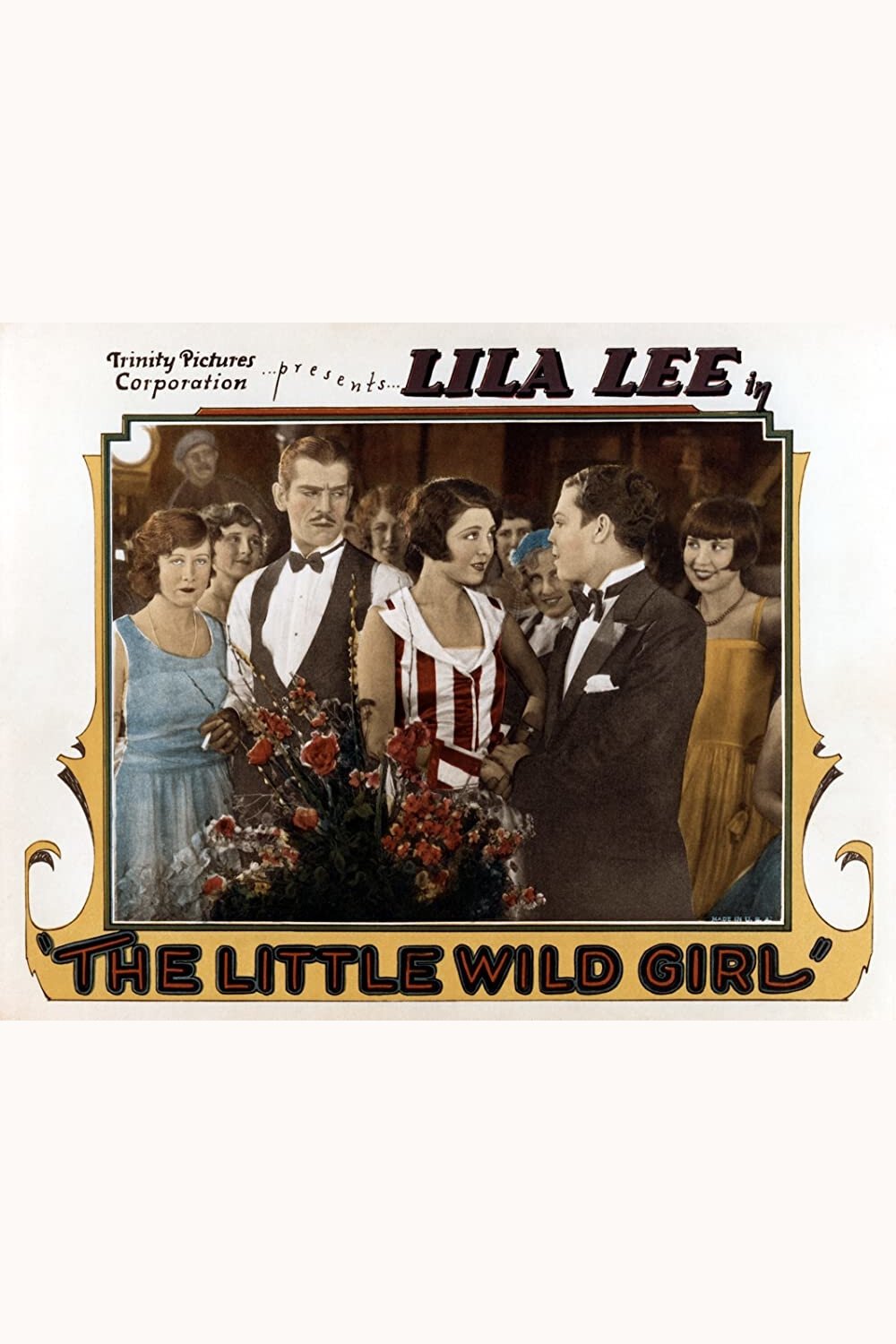
The Little Wild Girl
Vacationing in the Canadian Northwest, a playwright and a songwriter both fall in love with Marie Cleste and take her back with them to New York when her father and her sweetheart apparently die in a forest fire. (The father did perish; the sweetheart escaped, crippled, with his blinded Indian guide into the forest to hide his infirmities.)
Insights
Plot Summary
A young woman, raised in the wilderness by her prospector father, must navigate the complexities of civilization when her father disappears. She is drawn into a conflict involving a ruthless land baron who seeks to exploit the land she calls home. Ultimately, she must use her untamed spirit and knowledge of the wild to protect her inheritance and expose the villain's nefarious plans.
Critical Reception
As a silent film from 1928, contemporary critical reception is difficult to ascertain with modern metrics. However, films of this genre typically focused on straightforward narratives, clear hero/villain dynamics, and action sequences. Audience reception would have been influenced by the burgeoning popularity of Westerns and melodramas in the late silent era.
What Reviewers Say
- Features a compelling 'taming of the wild' narrative common in the genre.
- Showcases the resilience and resourcefulness of a female protagonist.
- Likely benefited from early visual storytelling techniques prevalent in silent films.
Google audience: Information regarding specific audience reviews for this silent film is not readily available in a digitized format.
Fun Fact
Helen Gibson, who played the titular 'Little Wild Girl,' was herself a skilled horsewoman and had a background in rodeo, which likely informed her performance in Western films.
AI-generated overview · Verify ratings on official sources