
Movie spotlight
Chupa
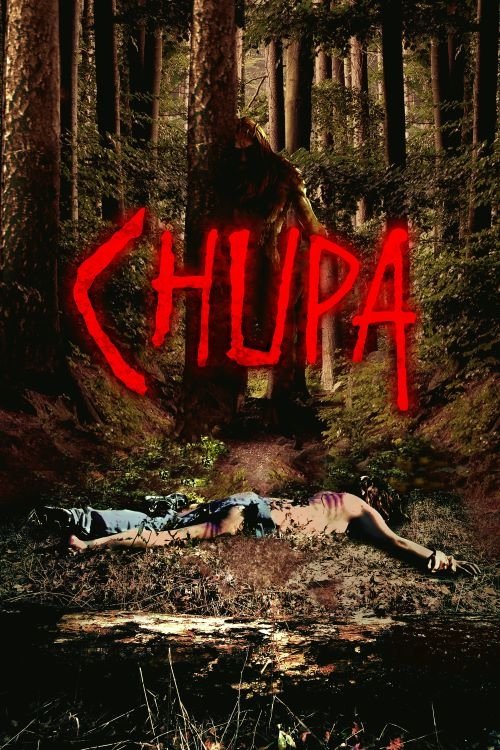
Something in the woods is feeding on people, bleeding them dry. What little evidence there is suggests it may be the work of the Chupacabra, a creature most believe to be little more than urban legend. According to folklore, Chupa kills small livestock, living off their blood. But why has it started preying on people? To answer that question, a small Federal, military, and civilian task force has been sent deep into Ohio’s expansive Cuyahoga Valley National Park to find and capture the mythical monster. But it won’t be taken without a fight, and as the hunters quickly become the hunted, they soon realize their “Chupa” may be something else altogether. Something that feeds in secret has started feeding... on them!
Insights
Plot Summary
A shy 13-year-old boy visiting his family in Mexico discovers a mythical creature, a chupacabra, hiding on his grandfather's ranch. He befriends the creature and, along with his cousins, must protect it from a dangerous scientist who wants to exploit its unique biology. As they work to save their new friend, they uncover a deeper connection to its past and the legacy his own family holds.
Critical Reception
Chupa received a mixed to positive reception from critics and audiences. While praised for its visual effects and heartwarming story, some found the plot predictable. It was generally seen as a charming family-friendly adventure with a solid performance from its lead cast.
What Reviewers Say
Praised for its charming portrayal of the mythical chupacabra and its visual appeal.
Appreciated for its family-friendly themes and the bond between the boy and the creature.
Criticized by some for a formulaic plot and a lack of originality in its storytelling.
Google audience: Audiences generally enjoyed 'Chupa' for its visual effects, the heartwarming friendship between the main character and the creature, and its adventurous plot. Some viewers found the story to be a bit predictable but still recommended it as a good family movie.
Fun Fact
The film's creature design aimed to make the chupacabra appear more misunderstood and less menacing than its traditional folklore depiction, emphasizing its vulnerability and need for protection.
AI-generated overview · Verify ratings on official sources