Downwinders and the Radioactive West
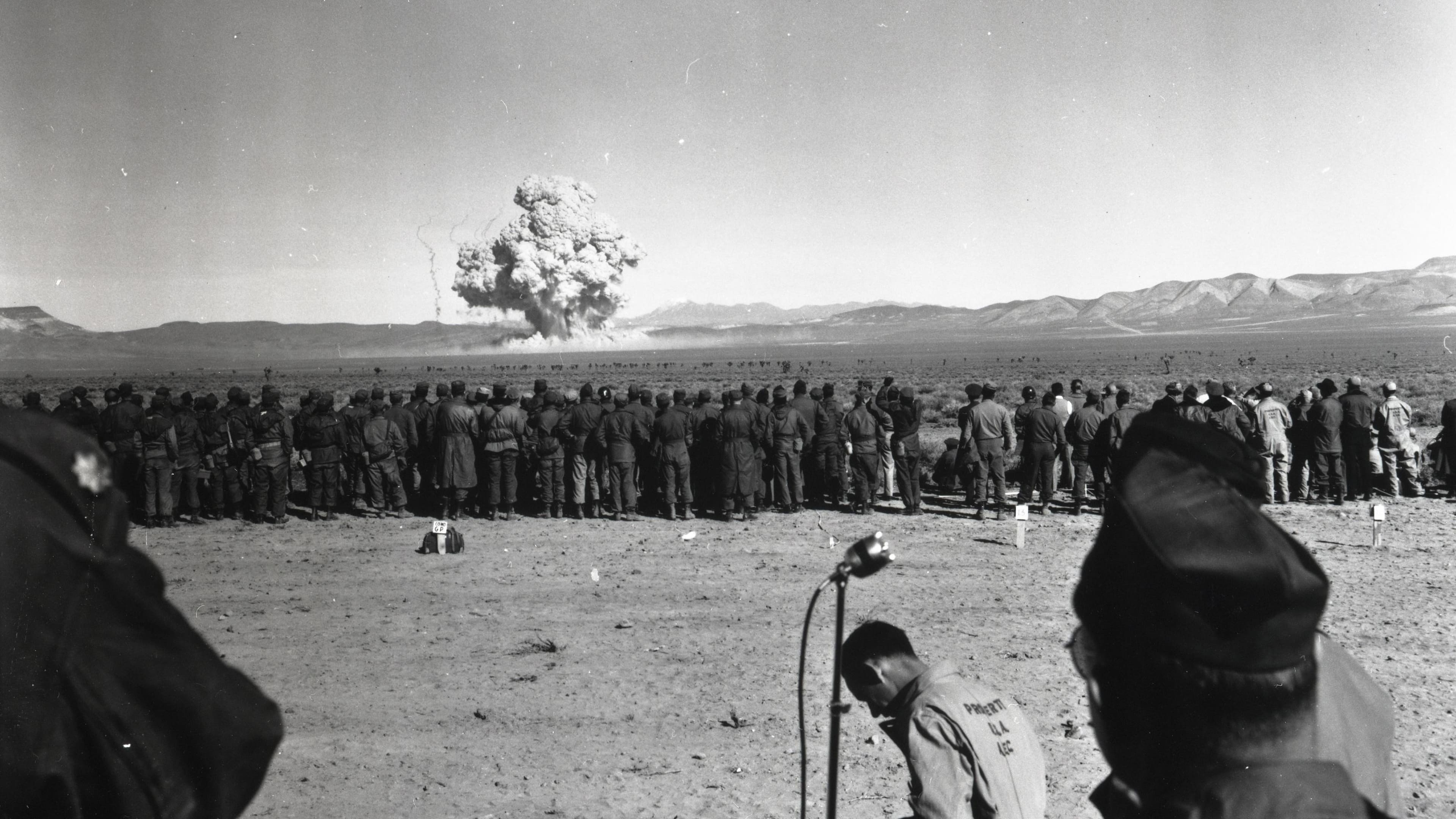
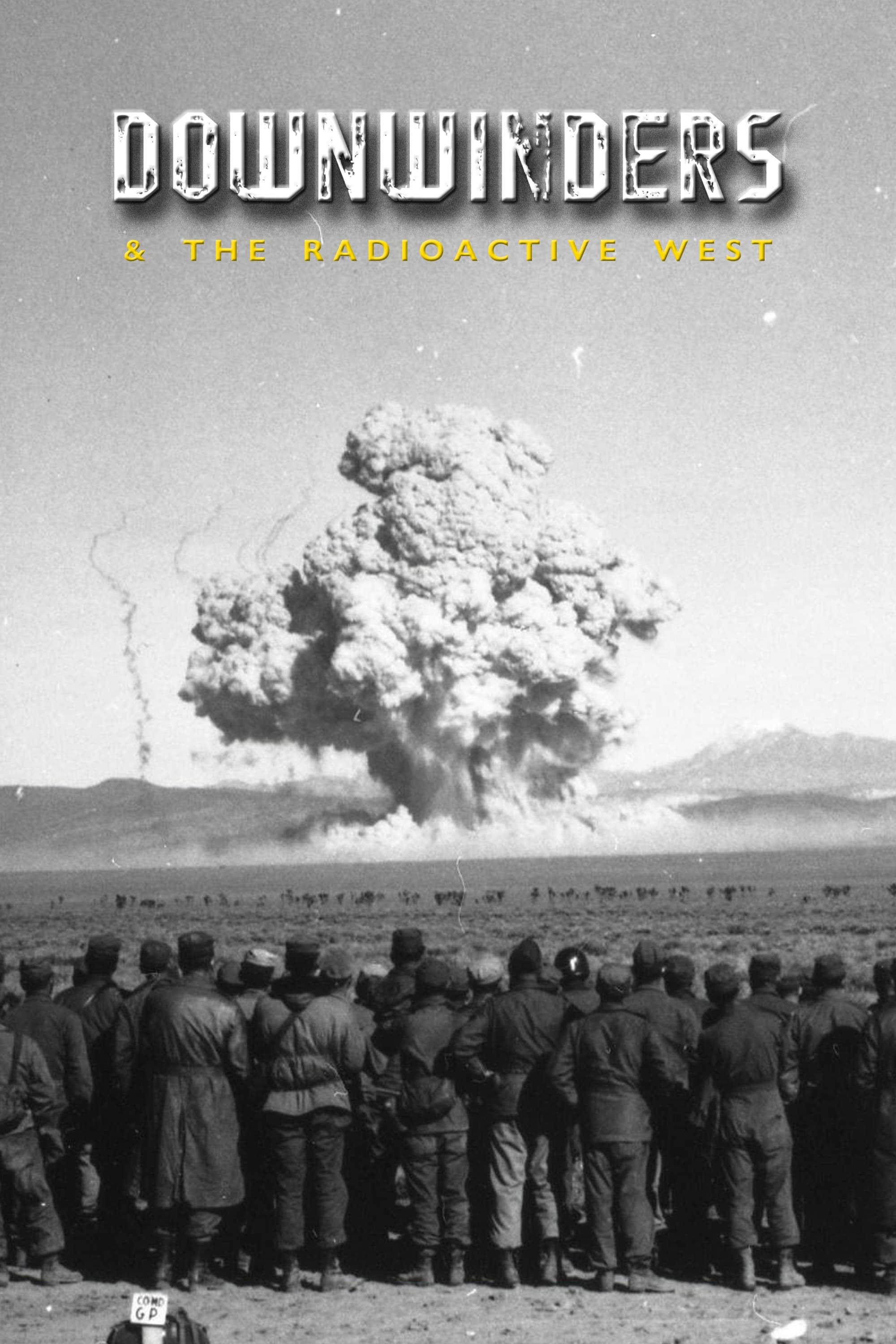
In the 1950s and ‘60s, the U.S. government conducted a series of nuclear tests in the Nevada desert. The resulting fallout would kick off a decades-long debate over cancer rates, the costs of patriotism, and the responsibility of a nation to protect its citizens.
Insights
Plot Summary
This documentary delves into the forgotten history of "downwinders" – communities exposed to radioactive fallout from nuclear testing in the American West. It chronicles their struggles for recognition and justice, highlighting the devastating health consequences and the ethical questions surrounding government secrecy and accountability in the aftermath of the Cold War nuclear arms race.
Critical Reception
The documentary has been praised for its thorough research and emotional impact, bringing to light a significant and often overlooked aspect of American history. Critics noted its powerful storytelling and the importance of its subject matter in understanding the long-term human cost of nuclear proliferation.
What Reviewers Say
- Highlights the devastating health impacts on communities exposed to nuclear fallout.
- Praises the film for its diligent research and the personal stories it shares.
- Emphasizes the ongoing fight for justice and accountability for the downwinders.
Google audience: Audience reviews are not widely available for this specific documentary. However, similar historical documentaries on this topic often receive praise for their educational value and the crucial information they disseminate about the effects of nuclear testing.
Awards & Accolades
While specific major awards are not widely publicized, the documentary has been featured in various film festivals and has garnered positive attention for its historical significance and advocacy.
Fun Fact
The term "downwinder" refers to people living in the path of prevailing winds that carried radioactive fallout from nuclear test sites, often without their knowledge or consent.
AI-generated overview · Verify ratings on official sources