
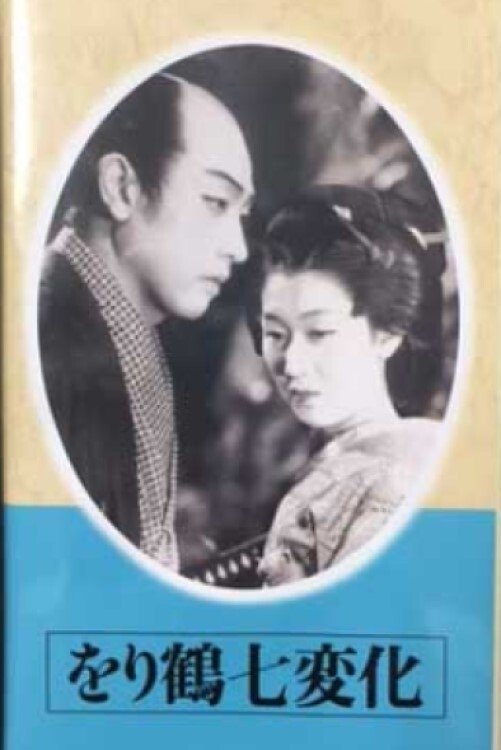
Movie spotlight
The Seven Changes of a Paper Crane (Part 2)
The story is based on the serial novel by Tsunoda Kikuo.
Insights
Plot Summary
The story continues to follow the struggles of a father and his two daughters in feudal Japan as they navigate societal expectations and personal hardships. Faced with increasing poverty and the looming threat of arranged marriages, the family must make difficult choices to survive. The narrative delves into themes of duty, sacrifice, and the enduring strength of familial bonds amidst a changing world.
Critical Reception
The film is often considered a poignant continuation of the themes explored in its predecessor, praised for its artistic direction and emotional depth. While specific contemporary reviews are scarce, its place within Mizoguchi's filmography suggests a generally positive reception among cinephiles interested in Japanese historical dramas.
What Reviewers Say
Praised for its sensitive portrayal of familial relationships.
Noted for its atmospheric cinematography and historical accuracy.
Seen as a melancholic yet beautiful examination of sacrifice.
Google audience: Information on Google user reviews for this specific film from 1941 is not readily available.
Fun Fact
This film is the second part of a two-part story, with the first part also released in 1941, and is part of Kenji Mizoguchi's early period of filmmaking before his international recognition.
AI-generated overview · Verify ratings on official sources