
Movie spotlight
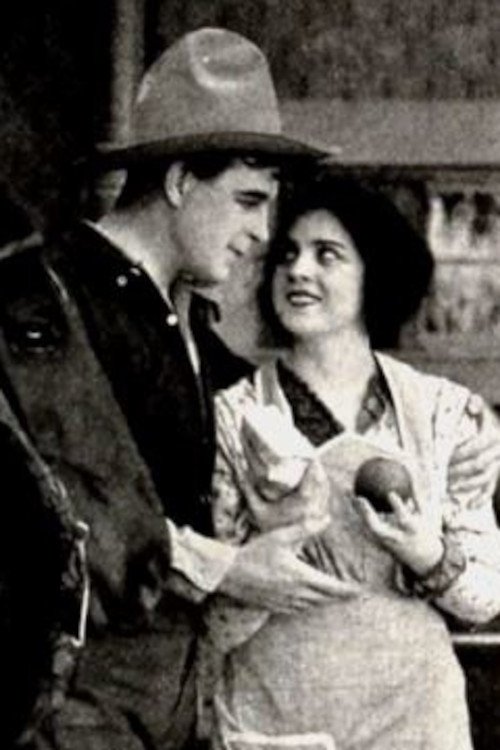
Who Shall Take My Life?
A man is found guilty of murdering a woman by way of circumstantial evidence, and is executed. Afterwards, it is discovered that his supposed victim is not dead at all, but working as a prostitute in a Western city. Scenario was written for the screen by Maibelle Heikes Justice, who was an outspoken opponent of capital punishment.
Insights
Plot Summary
A young woman named Rose, unaware of her true parentage, falls in love with a man her father disapproves of. Her father, a wealthy industrialist, manipulates circumstances to separate them, leading to heartbreak and a spiral of despair for Rose. She is eventually forced into an arranged marriage, only to discover the truth about her origins and the lengths her father went to control her life.
Critical Reception
As a silent film from 1917, contemporary critical reception is difficult to ascertain with modern metrics. However, it was produced by the Thanhouser Film Corporation, known for its quality productions, and likely received a standard reception for melodramas of the era, appealing to audiences interested in romantic and dramatic narratives.
What Reviewers Say
Melodramatic plot centered on themes of love, loss, and societal control.
Features a sympathetic female protagonist navigating difficult circumstances.
Reflects common dramatic tropes of early 20th-century cinema.
Google audience: Information on specific audience reviews from 1917 is not available through modern platforms.
Fun Fact
Florence La Badie, who starred as Rose, was a popular Thanhouser leading lady. Tragically, she died in an automobile accident in 1917, the same year this film was released, shortly after its production.
AI-generated overview · Verify ratings on official sources