IMDb6.7/10
Rotten Tomatoes75%
Metacritic66/100
Google Users75%
Director: Lars von Trier•Genres: Drama, Mystery, Thriller
In post-WWII Germany, an American of German descent, Leopold Kessler, takes a job as a train conductor. He becomes entangled with the family of his employer, who are implicated in war crimes. As he gets closer to the daughter, he grapples with his own conscience and the dark secrets of the past.
Europa received critical acclaim for its unique visual style, atmospheric tension, and exploration of guilt and redemption. While some found its experimental nature challenging, many praised its artistic ambition and the director's bold vision. It is often considered a significant work in von Trier's filmography.
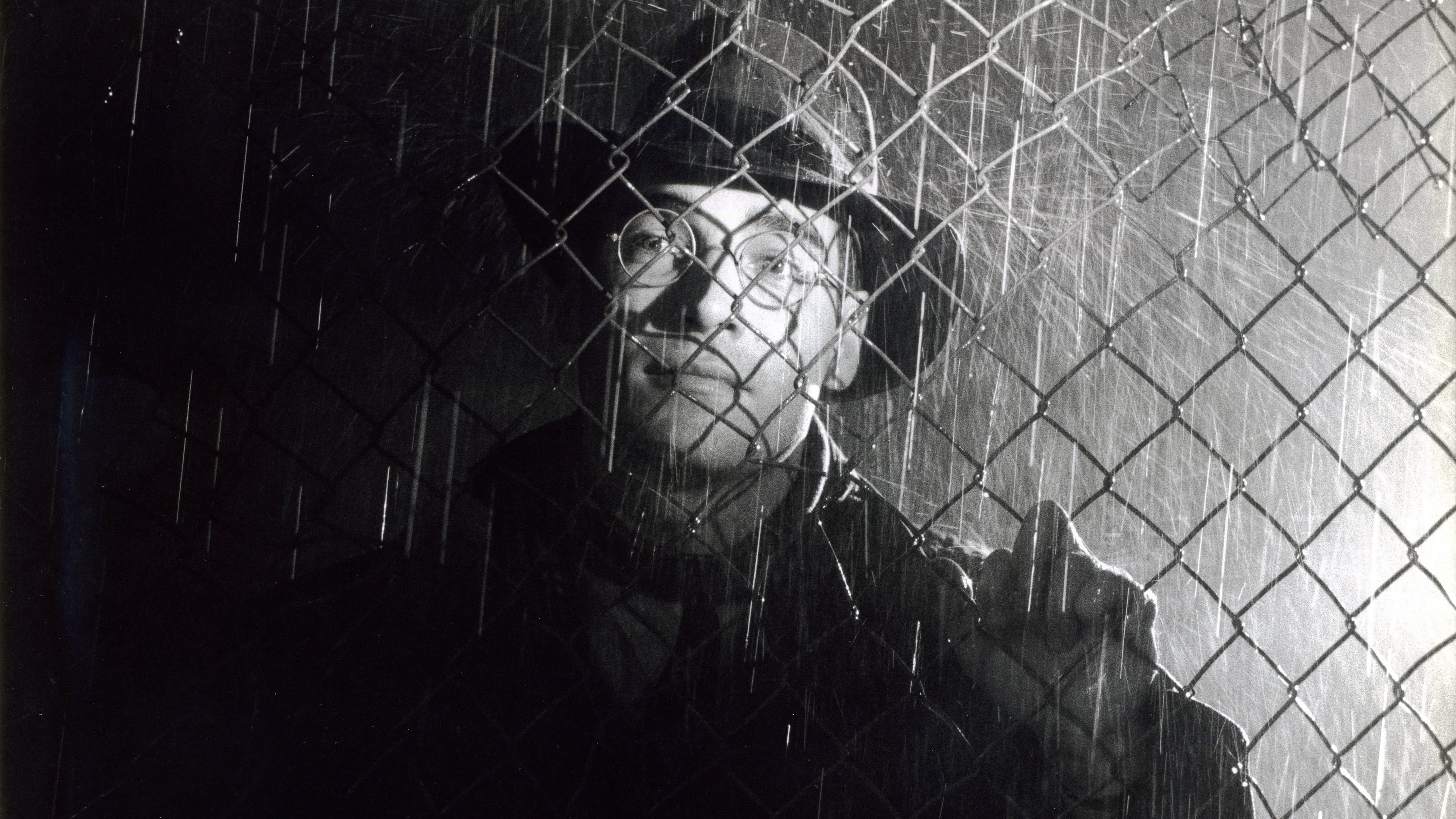
Praised for its striking black-and-white cinematography and dreamlike sequences.
Lauded for its complex exploration of post-war guilt and identity.
Noted for its experimental narrative structure and hypnotic score.
Google audience: Audiences generally appreciated the film's artistic merit and thought-provoking themes, though some found its surreal elements and pacing to be somewhat challenging.
Winner of the Jury Prize at the Cannes Film Festival, Best Actor (Jean-Marc Barr) at Cannes Film Festival, Technical Grand Prize at Cannes Film Festival.
The film uses a combination of black-and-white and color sequences, with color appearing during moments of intense emotion or dreamlike states for the protagonist, Leopold.
AI-generated overview · Verify ratings on official sources