
Movie spotlight
Land Without Bread
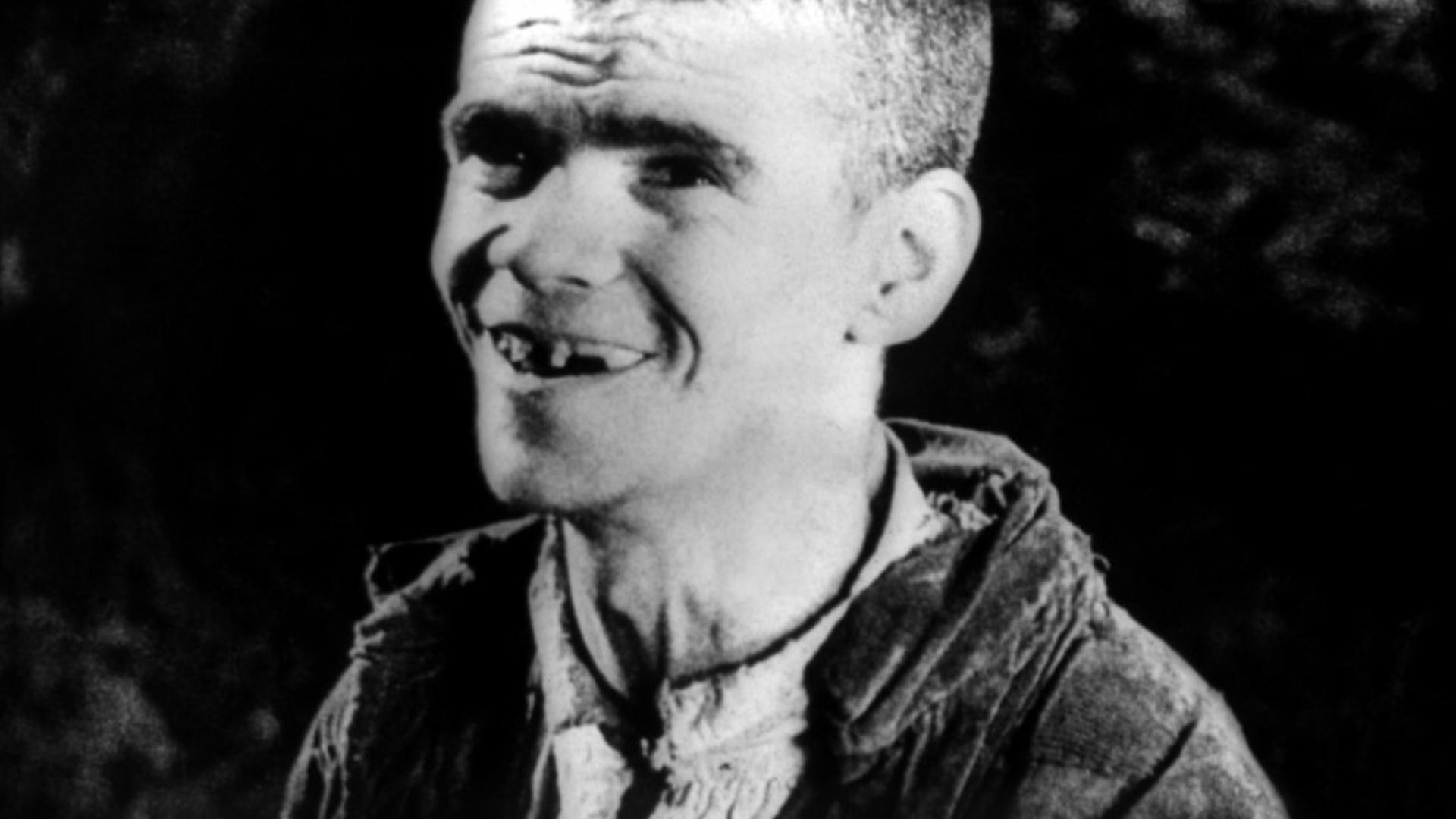
An exploration —manipulated and staged— of life in Las Hurdes, in the province of Cáceres, in Extremadura, Spain, as it was in 1932. Insalubrity, misery and lack of opportunities provoke the emigration of young people and the solitude of those who remain in the desolation of one of the poorest and least developed Spanish regions at that time.
Insights
Plot Summary
This surrealist documentary, directed by Luis Buñuel, offers a scathing and provocative critique of civilization through a focus on the remote and impoverished region of Las Hurdes in Spain. It depicts the region's harsh living conditions, highlighting extreme poverty, ignorance, and social injustices with a detached yet critical eye. Buñuel uses a series of unsettling images and juxtapositions to challenge conventional notions of progress and societal norms.
Critical Reception
Land Without Bread is a landmark of surrealist cinema and a controversial ethnographic film. While initially banned in Spain, it has since been recognized for its artistic merit and its audacious social commentary. Critics often note its disturbing imagery and Buñuel's provocative use of documentary form to create a powerful, albeit biased, statement on human suffering and societal hypocrisy.
What Reviewers Say
A shocking and artistically daring exploration of poverty and human degradation.
Buñuel's surrealist approach creates a disturbingly memorable portrait of hardship.
Provocative and controversial, the film challenges viewers' perceptions of civilization.
Google audience: Information on specific Google user reviews and their sentiment for 'Land Without Bread' is not readily available or widely documented in a summarized format.
Awards & Accolades
None notable, though highly regarded within film studies and surrealist art circles.
Fun Fact
The film's narration was originally intended to be spoken by the esteemed French writer Jean Cocteau, but he refused due to the film's disturbing content. The narration was eventually provided by another prominent French intellectual, Pierre Unik.
AI-generated overview · Verify ratings on official sources