Movie spotlight
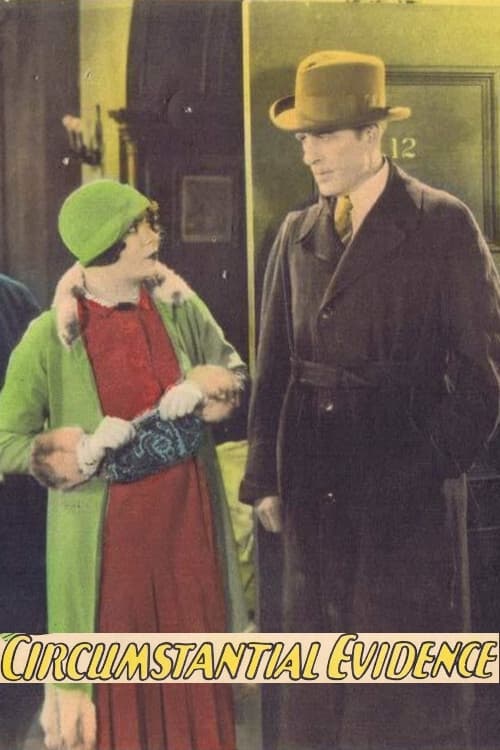
Circumstantial Evidence
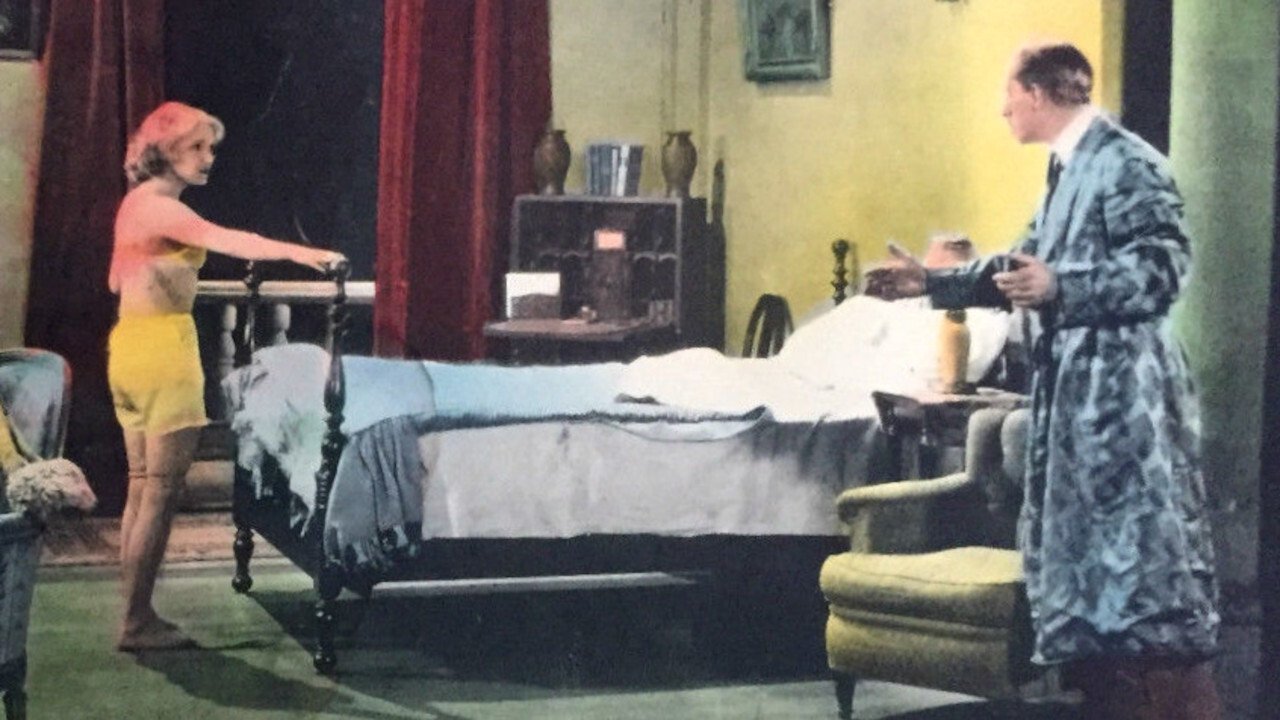
Duplicitous businessman Henry Lord talks Tony Benton, the weakling brother of heroine Jean Benton, into forging a check. The evidence is framed so that innocent clerk Arthur Rowland is accused of the crime.
Insights
Plot Summary
A young man is framed for a murder he did not commit. He must rely on circumstantial evidence and the help of a determined district attorney to prove his innocence before he is executed. The film navigates the complexities of the legal system and the power of doubt.
Critical Reception
Circumstantial Evidence was a moderately received film in 1929, notable for its early exploration of courtroom drama and suspense in the nascent sound film era. While not a major critical success, it was appreciated for its tight pacing and William Collier Jr.'s performance.
What Reviewers Say
Praised for its effective use of suspense and its contribution to the early sound drama genre.
William Collier Jr.'s performance as the wrongly accused man was often highlighted.
The film's reliance on circumstantial evidence provided a compelling narrative structure for its time.
Google audience: Information on Google user reviews for this film from 1929 is not readily available.
Fun Fact
This film was one of the early productions by MGM to incorporate synchronized sound, specifically for musical scores and sound effects, contributing to the evolving cinematic experience of the late 1920s.
AI-generated overview · Verify ratings on official sources