
Movie spotlight
Hervé Guibert, la mort propagande
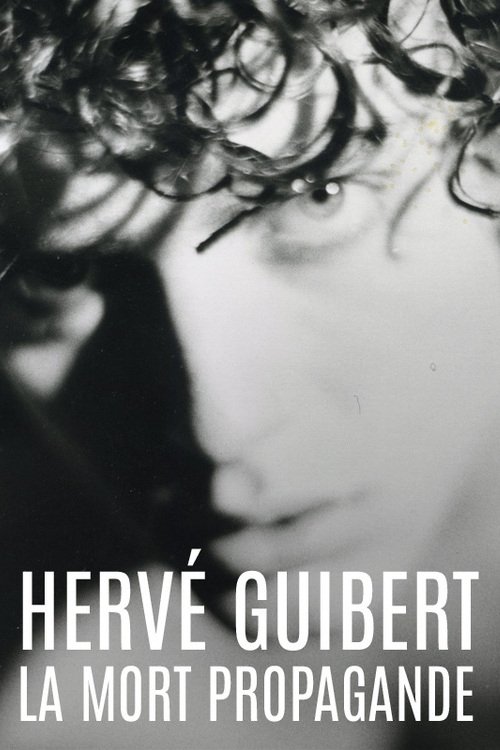
From this "inexorable disease", Hervé Guibert did not recover. The miracle he had so much hoped for did not happen. But, before his death in 1991, three years after learning of his HIV-positive status, he engraved in his literary and photographic work "the places of [his] suffering", "the stations of [his] way of the cross". With his thin body and sunken cheeks, the handsome man with curly hair that he was, the one whose clear gaze radiated from the seaside photos, fought a fierce battle against AIDS. A fight of every moment against the decay of the body, observed and commented with a methodical care in his autobiographical novels, in particular "To the Friend Who Did Not Save My Life" (1990) and "The Compassionate Protocol" (1991), and of which he testified on television on the set of "Apostrophes"...
Insights
Plot Summary
This documentary delves into the life and work of Hervé Guibert, a prominent French writer who died of AIDS in 1991. It explores his literary legacy and his courageous, often controversial, public stance on his illness, which he used as a form of protest and self-expression. The film examines how Guibert transformed his personal tragedy into a powerful artistic statement, challenging societal perceptions of disease and death through his writings.
Critical Reception
The film received positive reviews, with critics highlighting its sensitive portrayal of Guibert's life and work. It was praised for its archival footage and interviews that shed light on the writer's complex personality and his significant impact on contemporary literature and discourse surrounding AIDS.
What Reviewers Say
A poignant tribute to a significant literary figure.
Effectively captures Guibert's unflinching gaze on life and death.
Offers valuable insight into a courageous artist's final years.
Google audience: Information on Google user reviews for this specific documentary is not widely available.
Fun Fact
Hervé Guibert's autobiographical novel "To the Friends Who Did Not Save My Life" (À mon ami qui ne m'a pas sauv é la vie) became a seminal work in discussing AIDS in France, breaking taboos and encouraging open dialogue.
AI-generated overview · Verify ratings on official sources