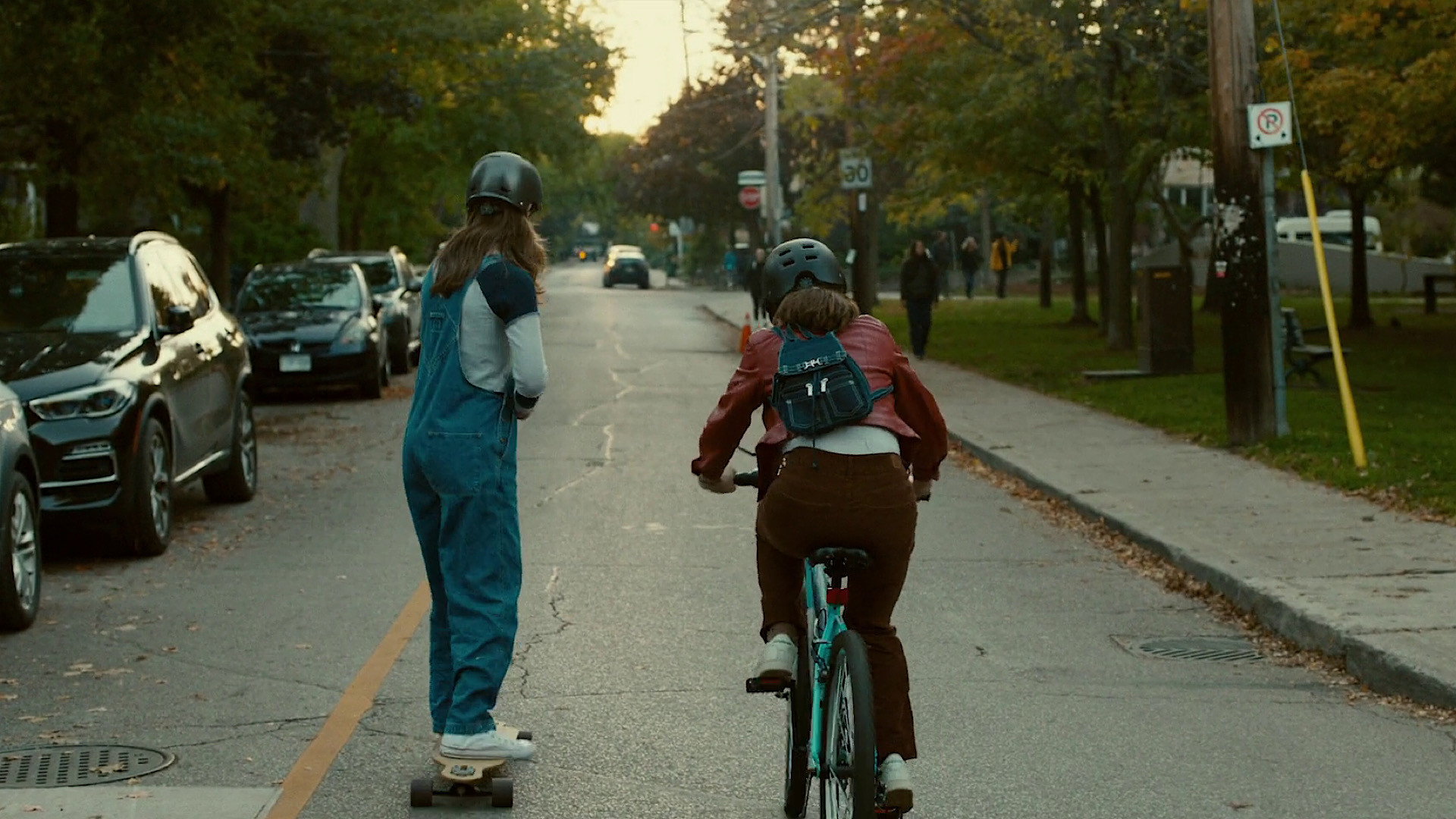

I Used to Be Funny
Sam, an aspiring stand-up comedian and au pair struggling with PTSD, weighs whether to join the search for Brooke, a missing teenage girl she used to nanny. The story unfolds between the present—where Sam tries to recover from her trauma and return to the stage—and the past, where memories of Brooke make it increasingly difficult to ignore her sudden disappearance.
Insights
Plot Summary
The film follows Dell, a young woman who, after a traumatic event, retreats into a world of stand-up comedy and memory loss. As she navigates her past and present, she grapples with the fragmented memories of her relationships, particularly with her brother, in a story that explores the complexities of trauma, identity, and healing.
Critical Reception
I Used to Be Funny received generally positive reviews, with critics praising its unique narrative structure, strong performances, and sensitive handling of difficult themes. The film's blend of humor and drama was noted as particularly effective in its portrayal of the protagonist's journey through trauma and recovery.
What Reviewers Say
- Praised for its innovative storytelling that weaves together humor and pathos.
- The performances, especially from the lead cast, were highlighted as a significant strength.
- Commended for its thoughtful exploration of memory, trauma, and the healing process.
Google audience: Information about Google user reviews for this film is not readily available.
Fun Fact
The film's narrative structure, which jumps between different timelines and subjective memories, was a deliberate choice by director Darren Curtis to mirror the fragmented experience of trauma.
AI-generated overview · Verify ratings on official sources