
Movie spotlight
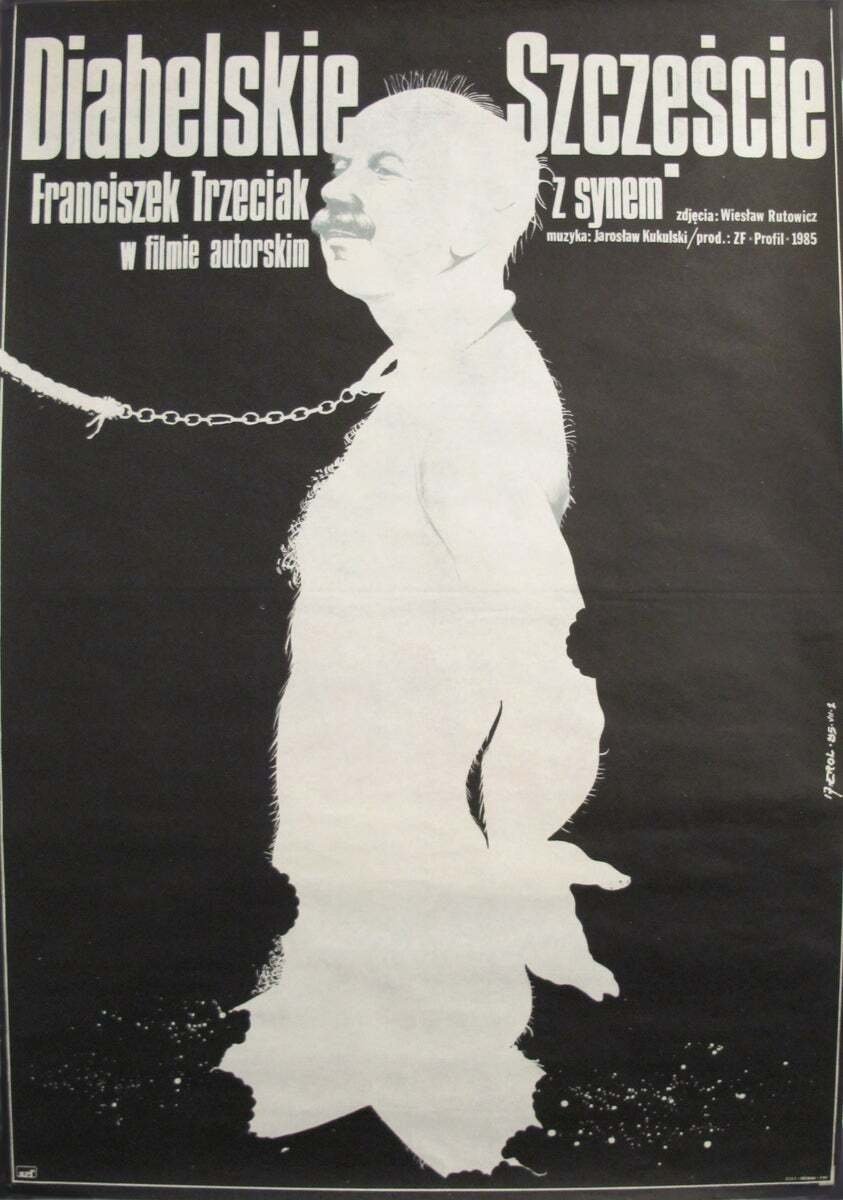
Diabelskie szczęście
Franciszek Mazur is a famous actor. One day, while returning from a holiday in the countryside, a serious accident occurs. Mazur's wife is seriously injured. When she learns about her husband's affair, she falls down the stairs and dies. But Mazur's life with his new wife is not happy ...
Insights
Plot Summary
A comedic satire revolving around a well-meaning but hapless individual who finds himself entangled in a series of absurd situations due to misunderstandings and bureaucratic mishaps. The film hilariously critiques the inefficiencies and absurdities of everyday life and societal structures. As he navigates these challenges, his attempts to do good often lead to unintended and comical consequences.
Critical Reception
Diabelskie szczęście is considered a cult classic in Poland, lauded for its sharp satire and memorable performances, particularly from Stanisław Tym. While not as widely internationally recognized as some of Bareja's other works, it is cherished by Polish audiences for its humor and its commentary on societal issues.
What Reviewers Say
Praised for its intelligent and biting satire of Polish society.
Stanisław Tym's performance is a highlight, bringing immense comedic energy.
The film's humor is rooted in observational comedy and absurd situations.
Google audience: Audience reception in Poland generally highlights the film's enduring comedic appeal and its clever social commentary, making it a rewatchable favorite.
Fun Fact
Stanisław Bareja, the director, was known for his satirical comedies that often subtly criticized the political and social realities of communist Poland, making his films resonate deeply with audiences.
AI-generated overview · Verify ratings on official sources