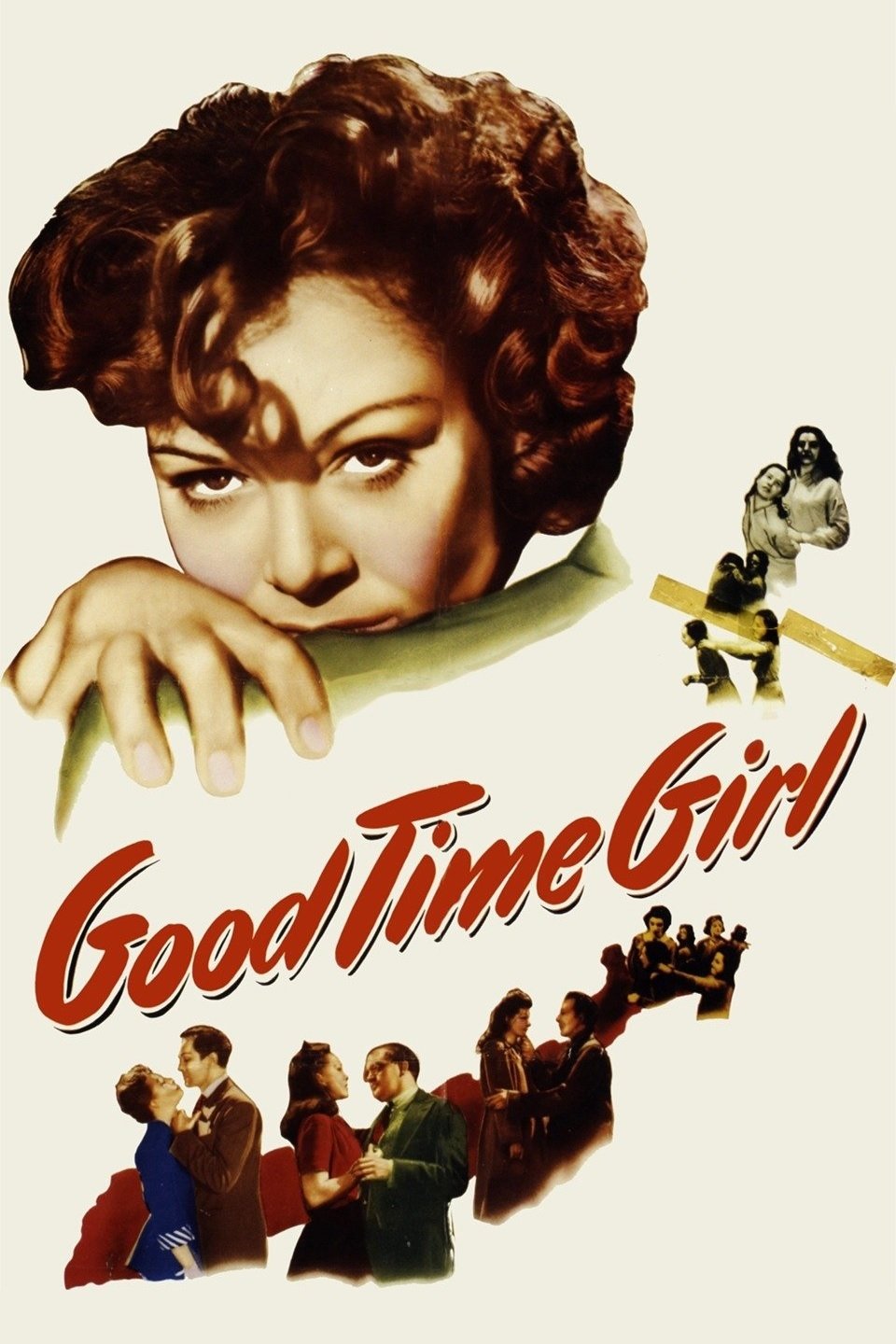
Director: David Macdonald•Genres: Crime, Drama, Film-Noir
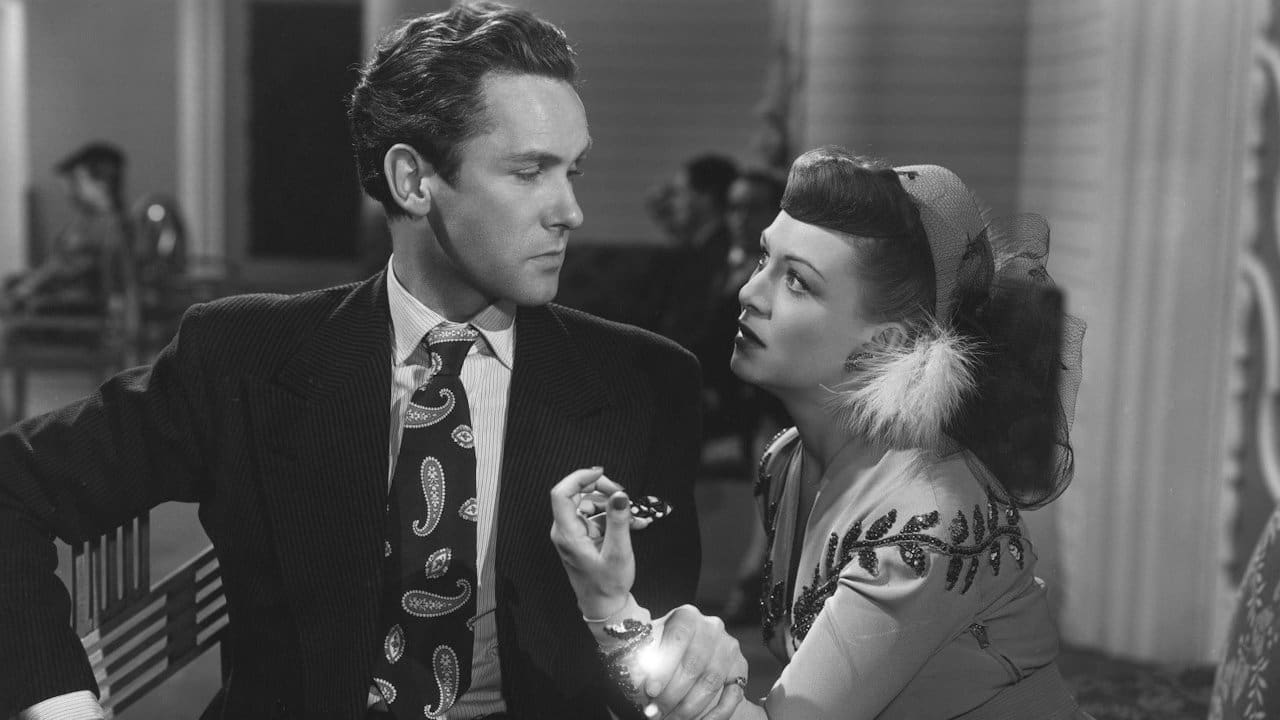
A young woman, wrongly convicted of a crime, is sent to a borstal (a type of youth detention center). There, she falls under the influence of an older, hardened inmate who steers her towards a life of crime upon her release. The film follows her descent into a world of theft, deception, and ultimately, tragedy, as she struggles to escape her circumstances and the control of her manipulative associate.
Good-Time Girl is often cited as a significant example of British post-war film noir, praised for its gritty portrayal of female delinquency and its exploration of societal pressures. While not a major critical darling upon release, it has since gained recognition for its atmospheric direction and strong performances, particularly from Jean Kent and Joan Dowling.
Praised for its unflinching look at female juvenile delinquency.
Noted for its effective use of film noir conventions and atmospheric tension.
Jean Kent's performance as the troubled protagonist is a standout.
Google audience: Information on Google user reviews for this film is not readily available.
The film was considered quite controversial for its time due to its frank depiction of female crime and delinquency, pushing boundaries for British cinema in the late 1940s.
AI-generated overview · Verify ratings on official sources