Movie spotlight
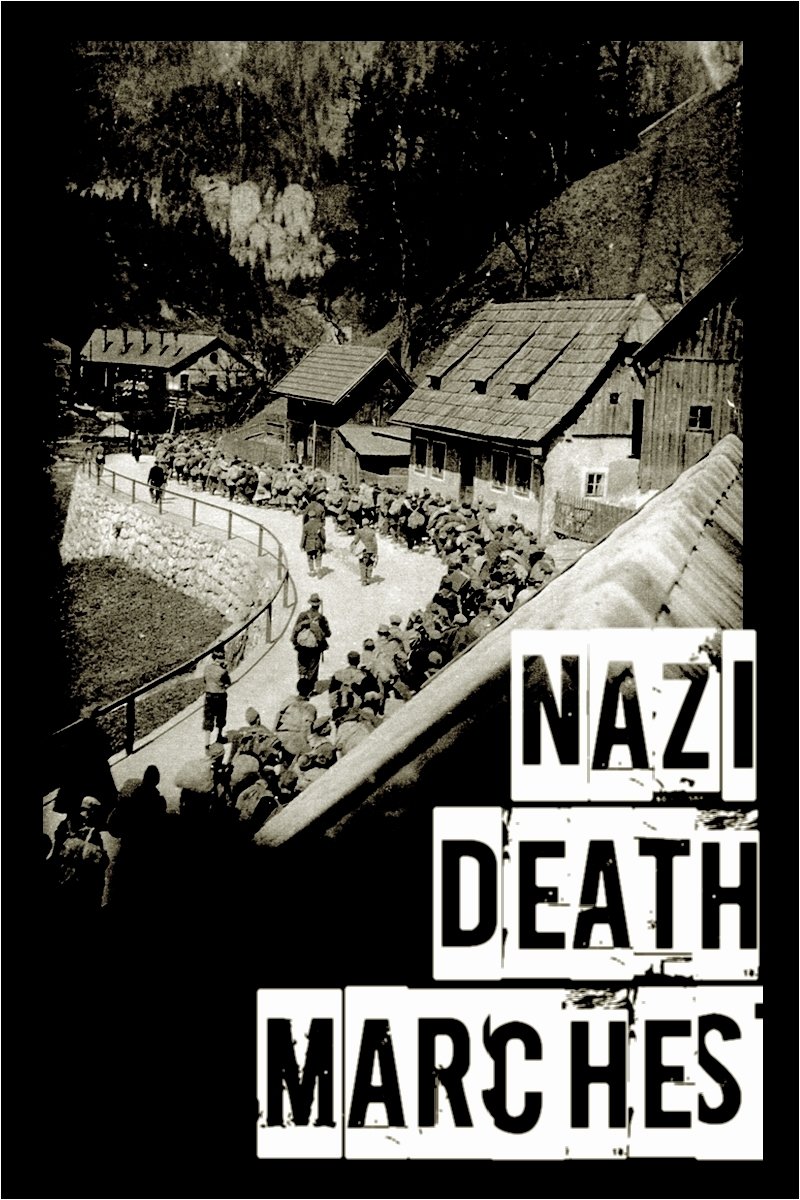
Nazi Death Marches
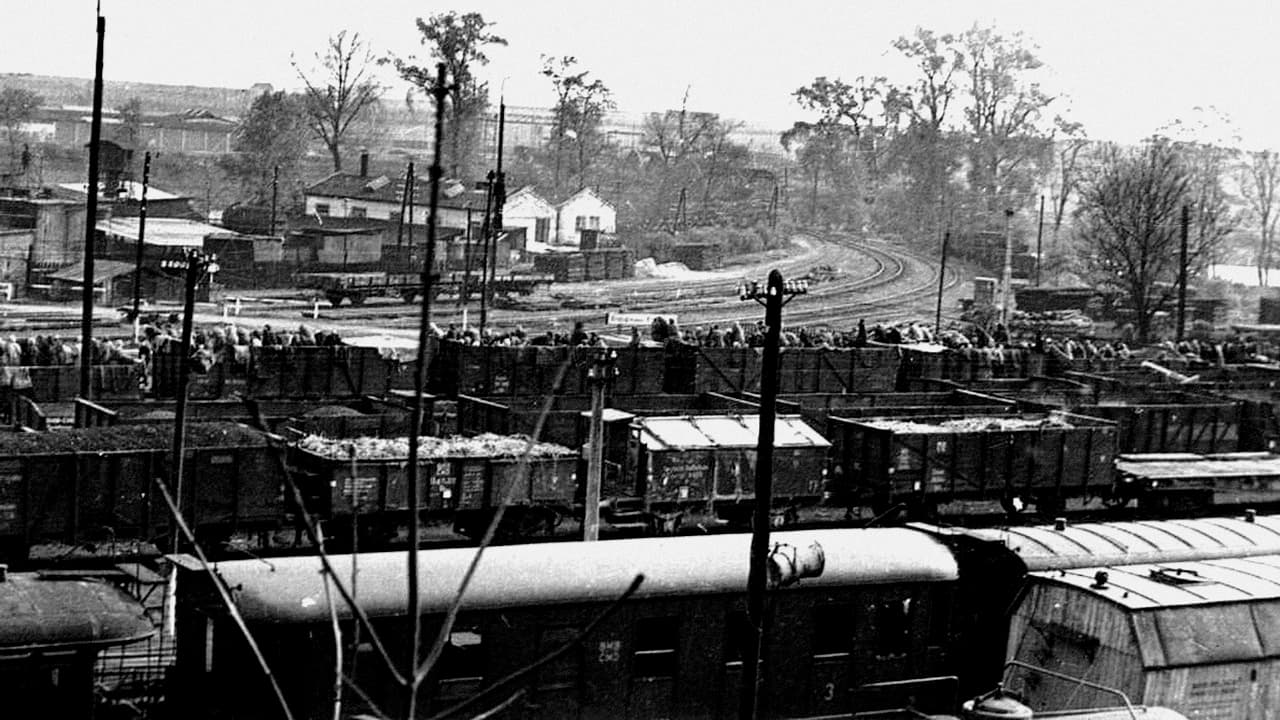
Faced with the relentless and unstoppable advance of the Soviet Red Army, from the spring of 1944 until the capitulation of the Third Reich in May 1945, the Nazis evacuated the labor, concentration and extermination camps, factories of pain and death which, during years of nightmare, they had established in the occupied eastern territories. Forced to travel enormous distances, thousands of people died along the way from hunger, thirst and exhaustion.
Insights
Plot Summary
This documentary examines the brutal and systematic 'death marches' undertaken by Nazi Germany during the final months of World War II. It details the horrific conditions faced by concentration camp prisoners as they were forced to march long distances with little food, water, or rest, often at gunpoint. The film features historical analysis and firsthand accounts to shed light on this often-overlooked aspect of the Holocaust.
Critical Reception
As a documentary focusing on a sensitive and horrific historical event, 'Nazi Death Marches' has been commended for its factual accuracy and respectful presentation of survivor testimonies. Critics have noted its importance in educating audiences about the atrocities of the Holocaust, though the subject matter is inherently difficult to watch. Audience reception has focused on the film's powerful historical impact and the emotional weight of the stories presented.
What Reviewers Say
Praised for its detailed historical account of a harrowing period.
Commended for giving voice to survivor experiences.
Identified as an important educational tool regarding the Holocaust.
Google audience: Due to its nature as a historical documentary and its limited release, specific Google user review data is not readily available. However, similar historical documentaries on the Holocaust typically receive strong positive reactions for their educational value and emotional impact.
Fun Fact
The 'death marches' were a desperate attempt by the Nazis to evacuate concentration camps before advancing Allied forces could liberate the prisoners, and also to prevent evidence of their crimes from being discovered.
AI-generated overview · Verify ratings on official sources