Movie spotlight
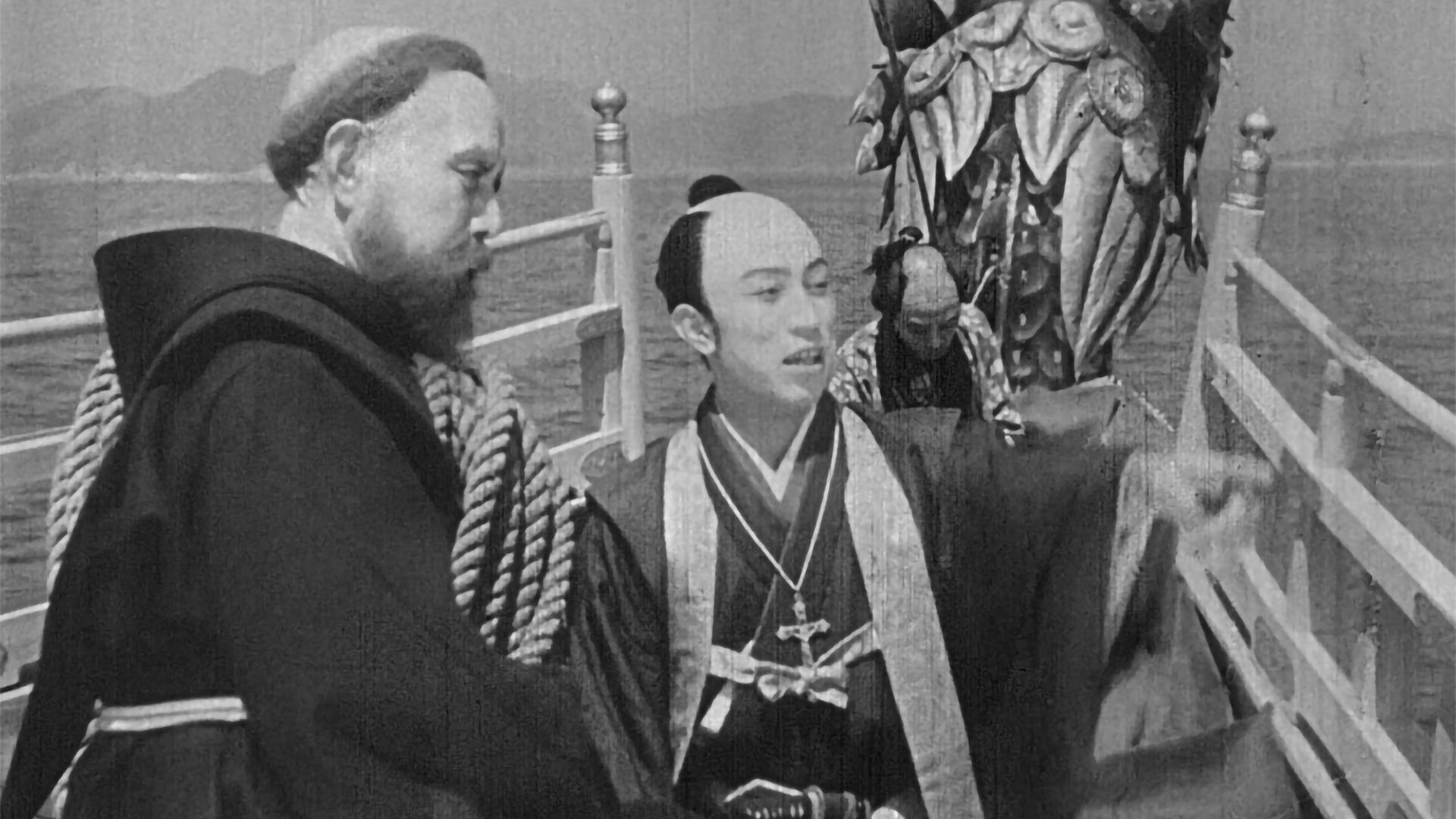
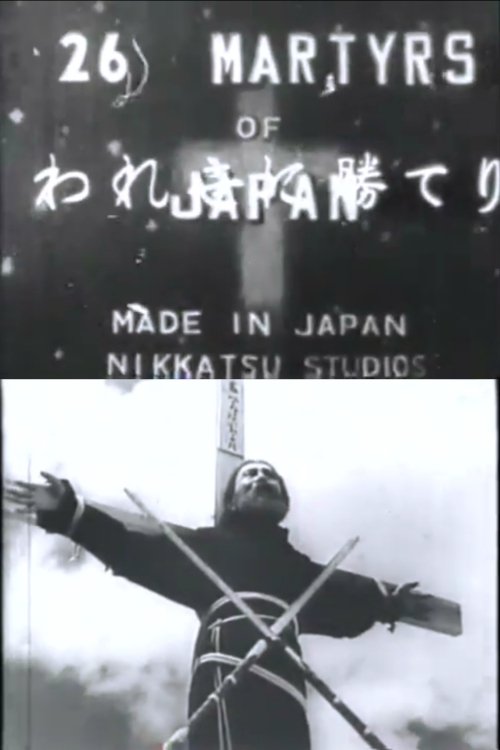
The 26 Martyrs of Japan
Jesuit priests in Japan during the 17th century are persecuted by the shogunate to for trying to spread Christianity.
Insights
Plot Summary
This historical drama recounts the martyrdom of 26 Catholic missionaries and Japanese Christians who were crucified in Nagasaki in 1597, under the orders of Toyotomi Hideyoshi. The film depicts the persecution they faced, their steadfast faith, and their ultimate sacrifice. It is a poignant portrayal of religious conviction in the face of brutal oppression during Japan's Sengoku period.
Critical Reception
As a silent film from 1931, 'The 26 Martyrs of Japan' predates widespread modern critical review aggregation. However, it is recognized as an important early work in Japanese cinema, particularly for its historical and religious themes. Its reception at the time was likely influenced by the prevailing social and political climate.
What Reviewers Say
An early and significant work in Japanese cinema.
Explores themes of faith and persecution with a historical focus.
Praised for its visual storytelling in the silent film era.
Google audience: Information on Google user reviews for this 1931 silent film is not readily available.
Fun Fact
Sadao Yamanaka, the director, was known for his prolific output and often tackled social and historical themes in his films, despite his tragically short career.
AI-generated overview · Verify ratings on official sources