Movie spotlight
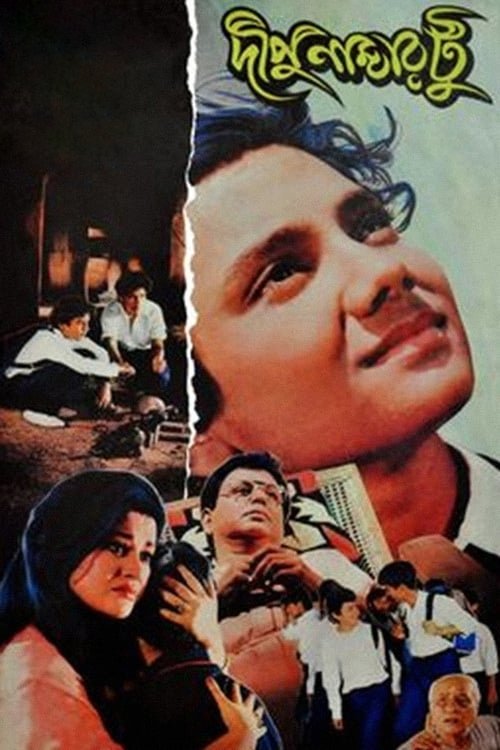
Dipu Number Two
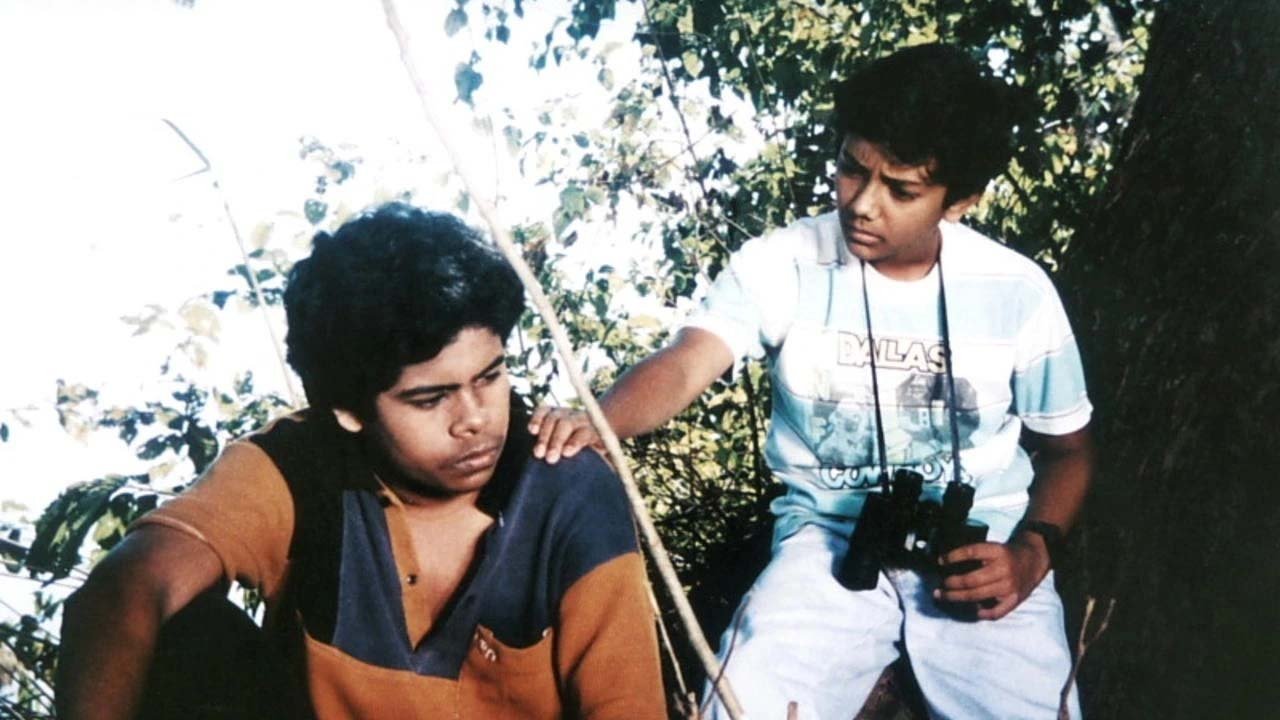
An adventure story for young boys, Dipu Number Two is the second film of a talented director from Bangladesh who is one of the few who concentrate on quality filmmaking in a country with a rich commercial film industry. The story is taken from a youth-oriented novel in which Dipu, a boy belonging to the educated class, is teased by the school bully but eventually forms a deep relationship with him. The rest is totally escapist in nature, including a scene in which the two youths manage to capture single-handedly an entire group of robbers.
Insights
Plot Summary
The story revolves around Dipu, a young boy who is mischievous and often gets into trouble, leading to his transfer to a new boarding school. There, he befriends another student, and together they navigate the challenges and adventures of school life, forming a strong bond amidst their youthful escapades. The film explores themes of friendship, growing up, and the inherent curiosity of childhood.
Critical Reception
Dipu Number Two was a significant film in Bangladeshi cinema, particularly for its portrayal of childhood and its relatable characters. It resonated with audiences for its nostalgic depiction of school life and its simple yet effective storytelling. While not a blockbuster, it achieved critical acclaim for its sensitive direction and performances, becoming a cherished film for many.
What Reviewers Say
Praised for its heartwarming depiction of childhood friendships and adventures.
Appreciated for its nostalgic portrayal of boarding school life in Bangladesh.
Noted for its simple yet effective storytelling and relatable characters.
Google audience: Audience reception is generally positive, with viewers often recalling the film fondly for its themes of friendship and nostalgia associated with school days.
Fun Fact
The film is based on a popular children's novel of the same name by Muhammad Zafar Iqbal, a renowned Bangladeshi author.
AI-generated overview · Verify ratings on official sources