
Movie spotlight
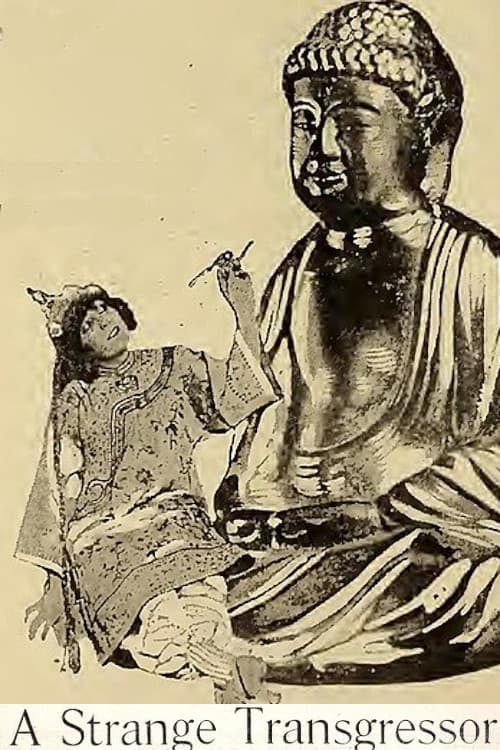
A Strange Transgressor
Lola Montrose ignores the scorn of society to live with Dr. John Hampton, the man she loves. After tiring of his mistress, Hampton tells Lola that he is planning to marry a "good woman" who will exert the proper influence over his son Irwin. Begging Hampton to marry her, Lola confesses that she too has a son, who is being reared in a religious institution for homeless children, but Hampton insists that he must not darken his son's future. Thirsting for revenge, Lola determines to marry Irwin. After inebriating the youth, Lola takes Irwin to the minister, who refuses to perform the ceremony. Too drunk to realize that there has been no wedding, Irwin takes Lola home and introduces her as his wife.
Insights
Plot Summary
A young man, seemingly innocent, is drawn into a web of intrigue and deception. As he navigates a society filled with hidden motives and powerful figures, he finds himself accused of a crime he may or may not have committed. The film explores themes of mistaken identity and the consequences of one's actions in a dramatic silent narrative.
Critical Reception
As a silent film from 1917, specific critical reception is difficult to ascertain with modern metrics. However, films of this era often aimed for sensational plots and strong dramatic performances, which were generally appreciated by audiences of the time. Its survival and occasional retrospective viewing suggest it held some interest.
What Reviewers Say
Early silent dramas often relied on melodramatic twists.
The mystery element was a popular draw for audiences.
Performances, though potentially theatrical by today's standards, were key to conveying emotion.
Google audience: Audience reviews for films of this age are not available in a consolidated format. However, silent films of the period were appreciated for their visual storytelling and emotional conveyance through acting.
Fun Fact
Silent films of this era often featured elaborate sets and costumes to compensate for the lack of spoken dialogue, relying heavily on expressive acting and intertitles to convey the story.
AI-generated overview · Verify ratings on official sources