Movie spotlight
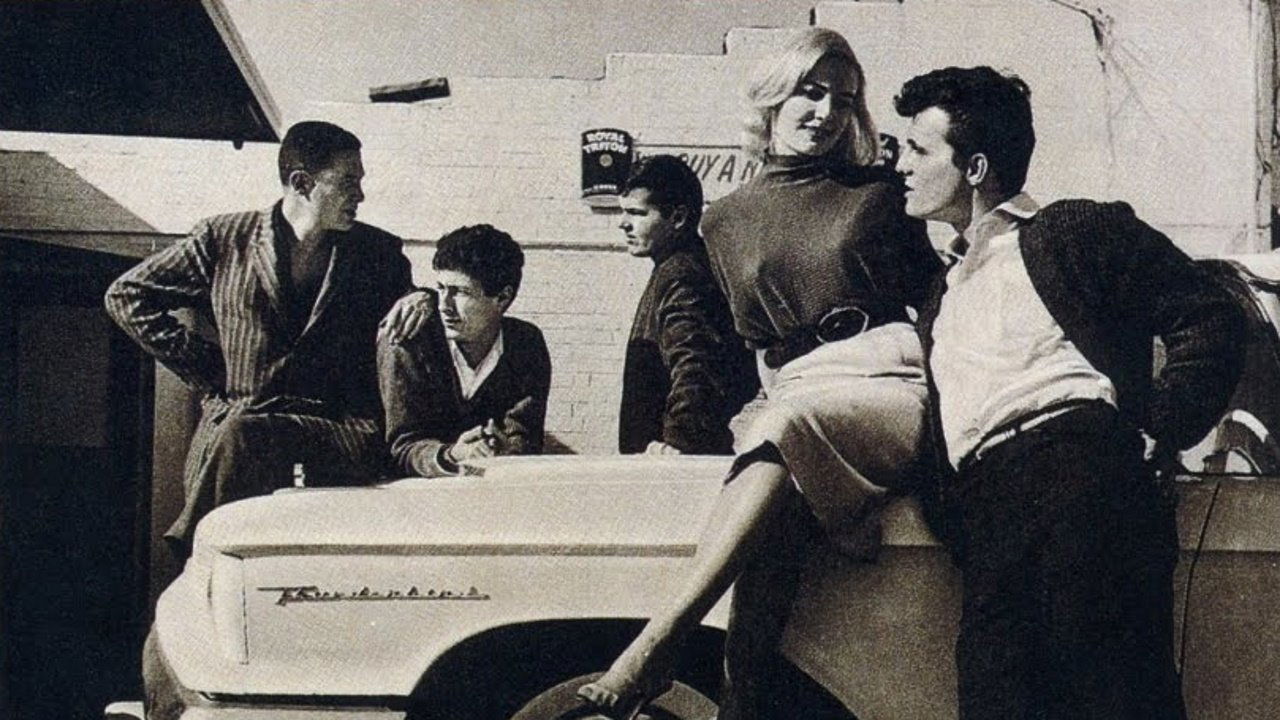
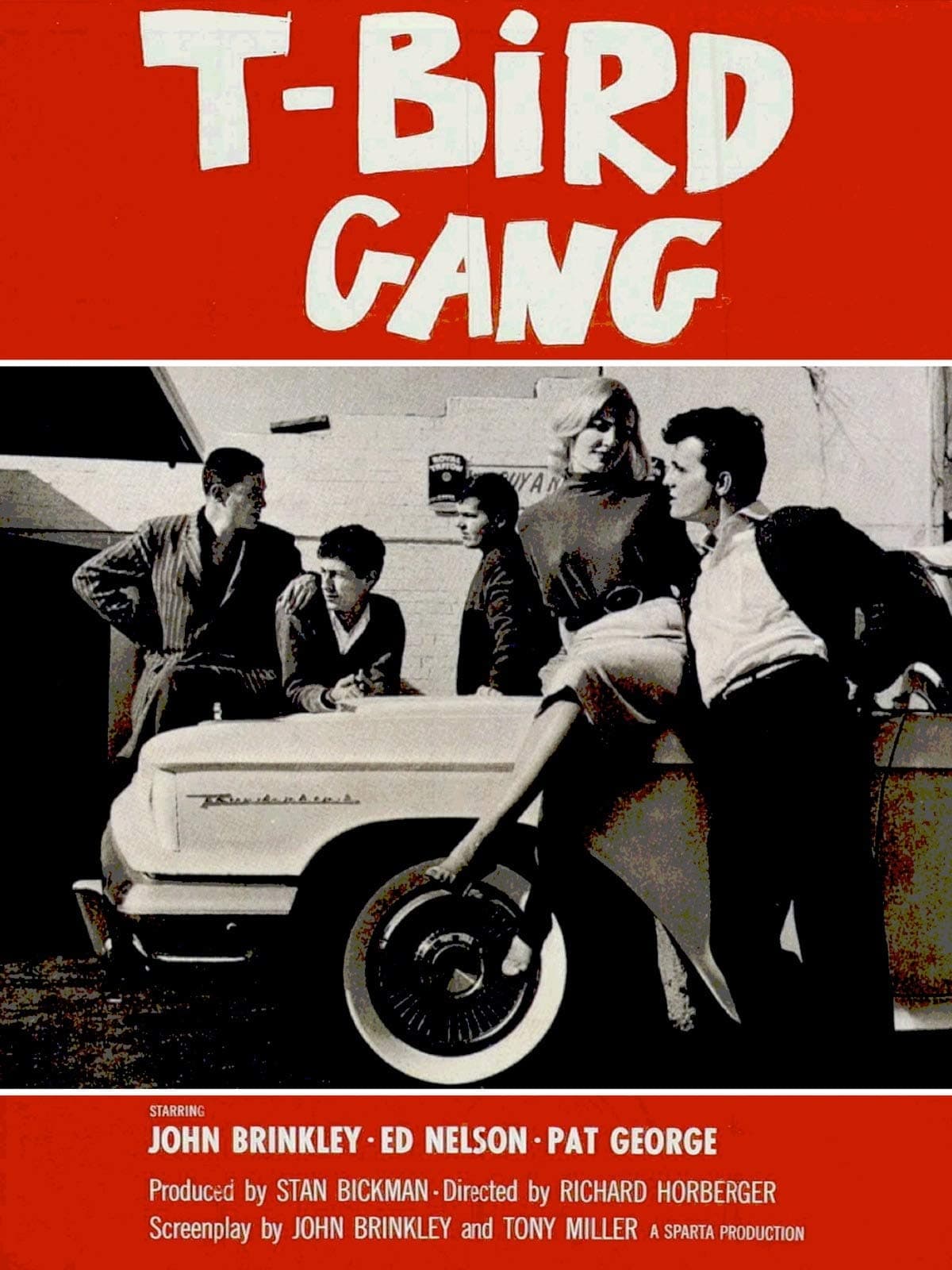
T-Bird Gang
Cooperating with the police in order to revenge his father's death, Frank joins a youth syndicate master-minded by the sadistic Alex. When members become suspicious, Frank must cooperate with the gang activities in order to prove his loyalty. Now personally involved and unable to contact the law or his girl friend, Frank's true identity is revealed to brutal leader whose anger he must now face. Meanwhile the selfish disloyalty of the boss is revealed and in bitter hatred the most trusting youth of the syndicate turns on the leader.
Insights
Plot Summary
A group of rebellious teenagers, known as the T-Bird Gang, cruises the streets in their souped-up cars, looking for trouble. Their reckless behavior escalates from petty vandalism to more serious crimes, putting them on a collision course with the law and local authorities. The film explores themes of youthful alienation and the consequences of unchecked delinquency in 1950s America.
Critical Reception
T-Bird Gang is a relatively obscure exploitation film from the late 1950s, often categorized with low-budget teen rebellion pictures. While it garnered some attention for its gritty portrayal of juvenile delinquency, its artistic merits are generally considered secondary to its sensationalist content. It is more notable for its place in the history of exploitation cinema than for critical acclaim.
What Reviewers Say
The film attempts to capitalize on the perceived dangers of teenage culture in the 1950s.
It features a simplistic narrative with archetypal characters.
Often cited as an example of the 'juvenile delinquent' film genre.
Google audience: Information on specific Google user reviews for 'T-Bird Gang' is not readily available, as it is a niche film. Audience reactions likely align with its genre, polarizing between those who appreciate its historical context as an exploitation film and those who find its low production values and sensationalism off-putting.
Fun Fact
The film was part of a wave of 'teen exploitation' films that emerged in the 1950s, aiming to tap into anxieties about juvenile delinquency and the burgeoning youth culture.
AI-generated overview · Verify ratings on official sources