
Movie spotlight
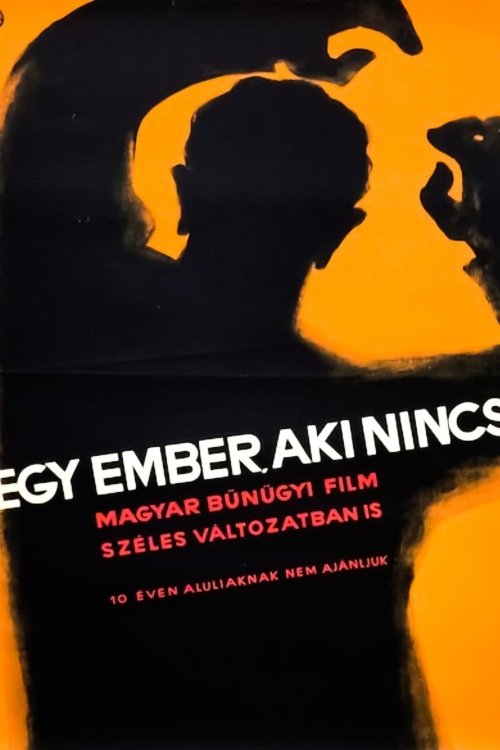
Egy ember, aki nincs
During a mining accident, the police arrest the sole survivor on suspicion of murder, whose pickaxe is stained with the blood of one of the victims. The investigation reveals that the identity card found on the victim belongs to another person, that the collapse was deliberate and that the miner believed to be the victim has escaped.
Insights
Plot Summary
In post-war Hungary, a seemingly ordinary man named Pál Varga is haunted by a past he cannot escape. The film delves into his struggles with guilt, memory, and the lingering effects of political upheaval on his personal life. As Pál attempts to build a new existence, his past actions and the choices he made during turbulent times continually resurface, challenging his sense of identity and his relationships.
Critical Reception
Zoltán Fábri's "Egy ember, aki nincs" (The Man Who Isn't There) is a critically acclaimed Hungarian drama that explores themes of guilt, identity, and the psychological toll of historical events. It is often cited as a poignant examination of personal responsibility in the face of collective trauma.
What Reviewers Say
A powerful character study of a man grappling with his past.
Explores the complex psychological impact of historical events on an individual.
Praised for its sensitive direction and strong performances.
Google audience: While specific Google user ratings are not readily available for this classic Hungarian film, critical reception generally highlights its deep emotional resonance and thought-provoking narrative.
Awards & Accolades
Screened at the 1964 Cannes Film Festival.
Fun Fact
The film's original title translates to "A Man Who Isn't There," reflecting the protagonist's internal struggle with his own identity and perceived absence from a normal life.
AI-generated overview · Verify ratings on official sources