
Movie spotlight
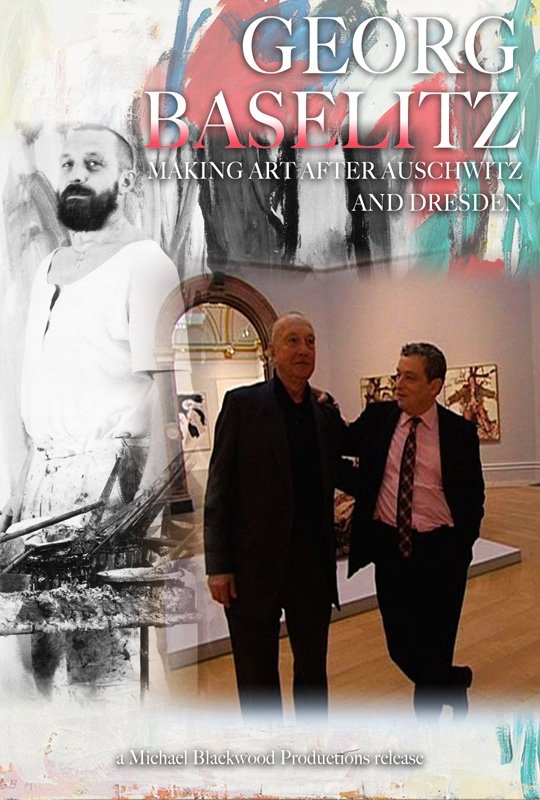
Georg Baselitz: Making Art after Auschwitz and Dresden
Georg Baselitz: Making Art after Auschwitz and Dresden explores the artist's brilliant career through his 2007 retrospective exhibition at London's Royal Academy of Arts. Accompanied by curator Norman Rosenthal, who first exhibited paintings by Baselitz in the early 1970's, the artist discusses painting, sculpture and the trajectory of his work. The exhibit emphasizes Baselitz ability to create imagery that deals unflinchingly with his position as a post-war artist. In responding to contemporary experience and exploring his own painterly instincts, Baselitz creates symbols which reflect deep-rooted human dilemmas and concerns.
Insights
Plot Summary
This documentary delves into the profound impact of historical trauma on the work of German artist Georg Baselitz. It explores how his art grapples with the legacy of the Holocaust and the destruction of Dresden, examining his unique visual language and his position within post-war German art history. The film provides insight into Baselitz's artistic evolution and his persistent engagement with challenging historical narratives.
Critical Reception
The documentary was noted for its in-depth exploration of Georg Baselitz's complex relationship with German history and its influence on his art. It was generally well-received by critics and audiences interested in art history and the socio-political context of artistic creation, particularly in post-war Germany. The film was praised for its thoughtful analysis and its focus on a pivotal figure in contemporary art.
What Reviewers Say
Offers a compelling look at an influential artist's response to historical trauma.
Provides valuable context for understanding Baselitz's challenging oeuvre.
A significant contribution to the discourse on art and memory in post-war Germany.
Google audience: Information on Google user reviews for this specific documentary is not readily available.
Fun Fact
Georg Baselitz was a prominent figure in the Neo-Expressionist movement, known for his distinctive inverted figurative paintings, which he began producing in the 1960s.
AI-generated overview · Verify ratings on official sources