
Andres Gomez
Decent remake with well done FX and with quite an impressive cast that keeps a proper level... but flat. No only it doesn't contribute anything new to the prior movie but also lacks on humor and deeper psychological insight.
Movie spotlight
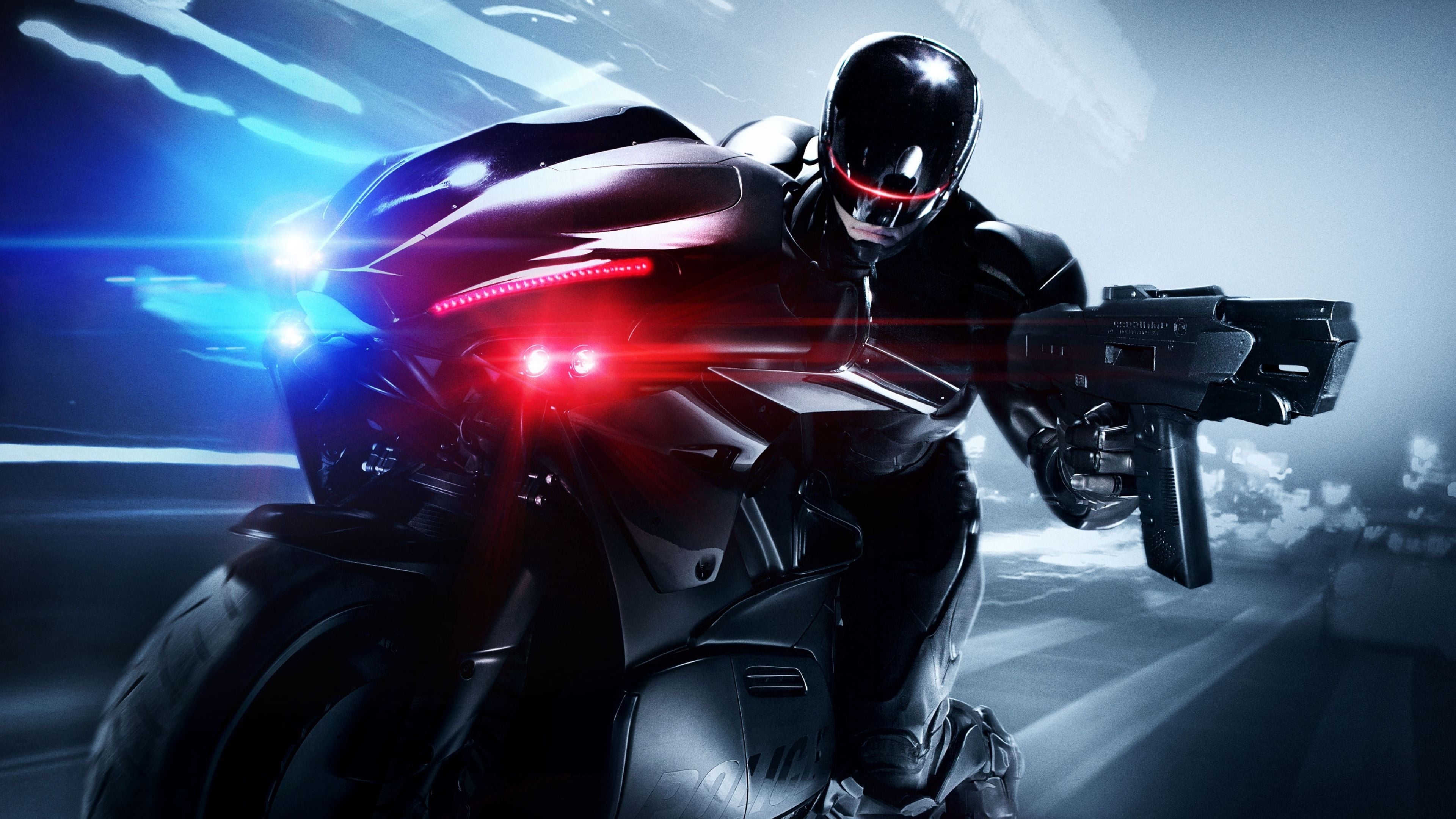
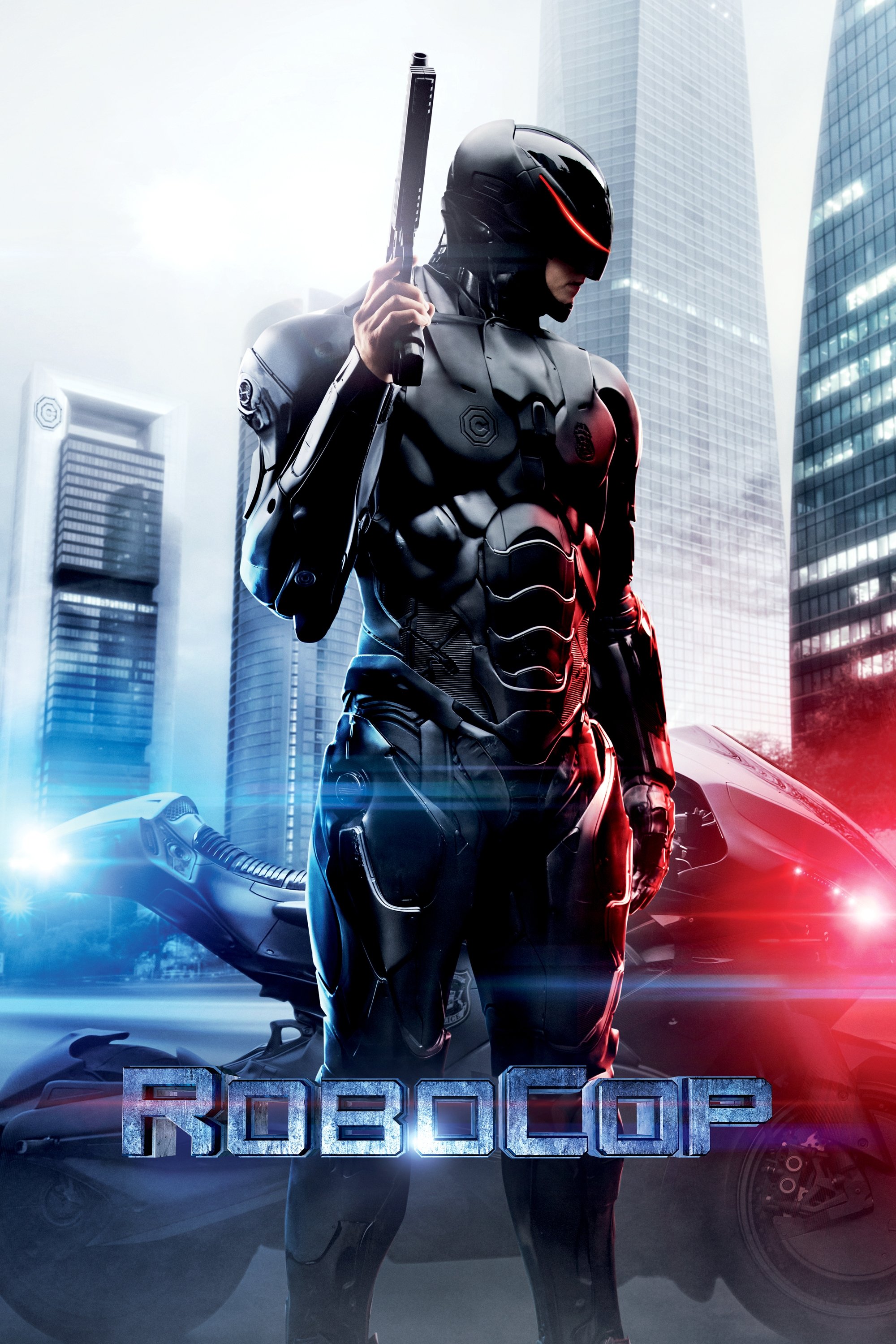
In RoboCop, the year is 2028 and multinational conglomerate OmniCorp is at the center of robot technology. Overseas, their drones have been used by the military for years, but have been forbidden for law enforcement in America. Now OmniCorp wants to bring their controversial technology to the home front, and they see a golden opportunity to do it. When Alex Murphy – a loving husband, father and good cop doing his best to stem the tide of crime and corruption in Detroit – is critically injured, OmniCorp sees their chance to build a part-man, part-robot police officer. OmniCorp envisions a RoboCop in every city and even more billions for their shareholders, but they never counted on one thing: there is still a man inside the machine.
In a dystopian Detroit, officer Alex Murphy is critically injured and rebuilt as a cyborg law enforcement officer named RoboCop. Driven by a corporate agenda and a quest for justice, RoboCop fights crime while grappling with his lost humanity and the moral implications of his existence. The film explores themes of corporate greed, technological advancement, and the struggle for identity in a world increasingly reliant on artificial intelligence.
The 2014 remake of RoboCop received mixed reviews from critics. While some praised its visual effects and attempts to update the story for a modern audience, many felt it lacked the satirical edge and visceral impact of the original 1987 film. Audience reception was also divided, with many fans of the original criticizing its deviation from the source material and its more serious tone.
Praised for its slick production design and updated special effects.
Criticized for lacking the satirical bite and dark humor of the original.
Debated for its more serious tone and thematic departures from the iconic predecessor.
Google audience: Google users generally found the 2014 RoboCop to be a decent action film with impressive visuals and a thought-provoking premise. However, many expressed disappointment that it didn't capture the spirit or the social commentary of the original, with some finding it too generic and lacking the cult appeal.
Director Jose Padilha initially turned down the offer to direct the film twice, feeling that the script was too similar to the original. He eventually agreed after being allowed to inject more social commentary and explore the ethical implications of a robotic police force.
AI-generated overview · Verify ratings on official sources
Decent remake with well done FX and with quite an impressive cast that keeps a proper level... but flat. No only it doesn't contribute anything new to the prior movie but also lacks on humor and deeper psychological insight.
I must confess that, when I sat down to watch this movie, I was prepared to be disappointed. Well, it was not as bad as I feared but I was not really impressed either. There are some good parts in the movie and, of course, the special effec...