
Movie spotlight
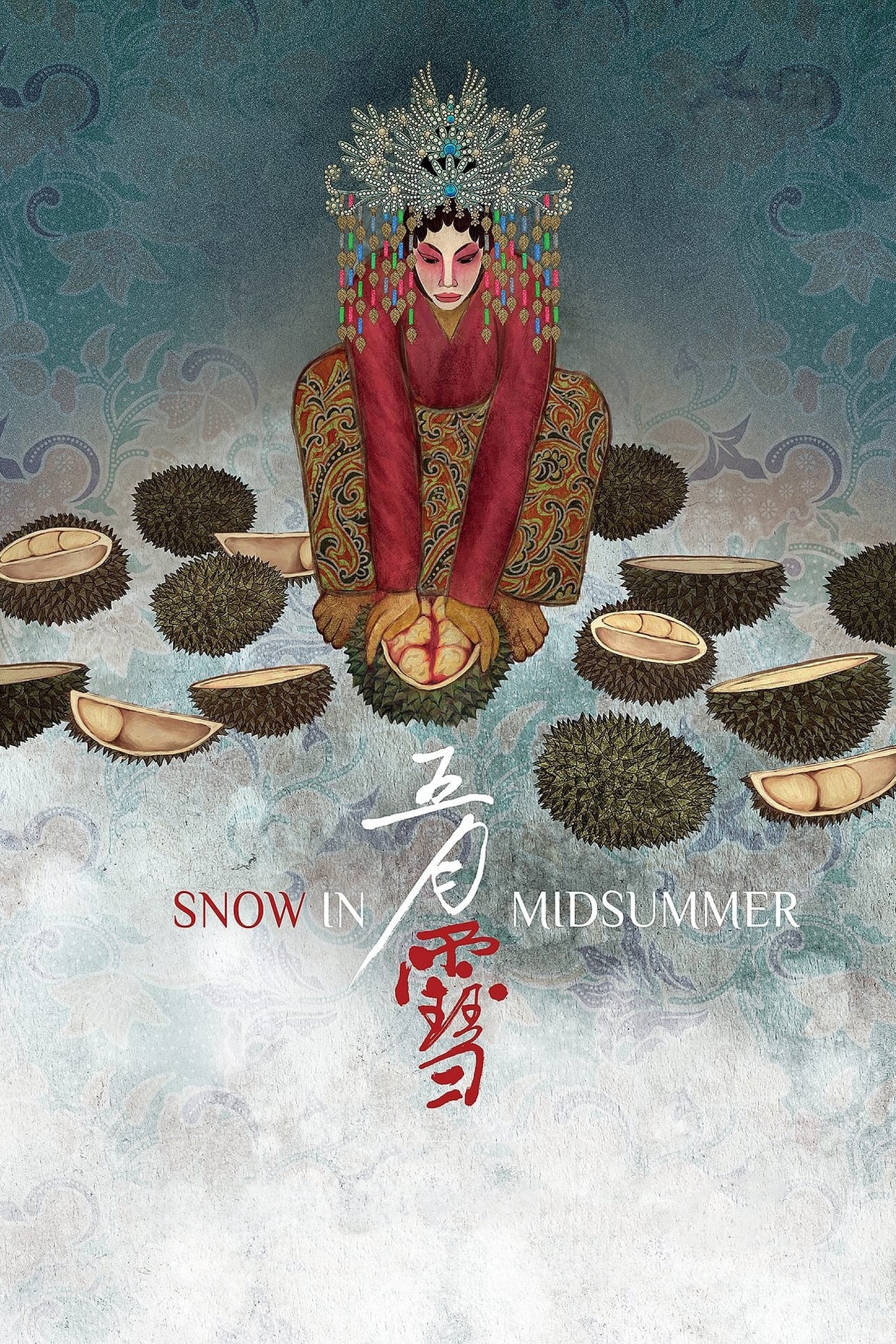
Snow in Midsummer
For 49 years, Ah Eng and Dou E were trapped in the "513" timeline. In 1969, post-election tensions gripped Kuala Lumpur when the Cantonese street opera "Snow in June" showcased Dou E, portrayed by the troupe master. Amid a riot, Ah Eng and her mother sought refuge with the troupe, losing contact with her brother and father. In 2018, Ah Eng returned to Kuala Lumpur and unexpectedly encountered "Dou E" at the cemetery.
Insights
Plot Summary
In ancient China, a young woman named Dou E is unjustly accused of murder and sentenced to death. Years later, her spirit returns seeking justice and revenge against those who wronged her and her family. As a supernatural phenomenon of snow in midsummer occurs, it signals the unveiling of a deep-seated injustice.
Critical Reception
The film received mixed to positive reviews, praised for its atmospheric storytelling and visual design, though some critics found its pacing uneven. Audiences generally responded well to its emotional depth and faithful adaptation of the classic Chinese drama.
What Reviewers Say
Praised for its evocative visuals and emotional resonance.
Appreciated for its faithfulness to the source material.
Some noted a slow pace in certain narrative segments.
Google audience: Audience reception on Google is not widely available, but general sentiment on similar platforms highlights appreciation for the film's melancholic beauty and tragic narrative.
Fun Fact
The story of Dou E is one of the most famous traditional Chinese plays, often referred to as 'The Injustice to Dou E' or 'Snow in Midsummer', dating back to the Yuan Dynasty.
AI-generated overview · Verify ratings on official sources