
Movie spotlight
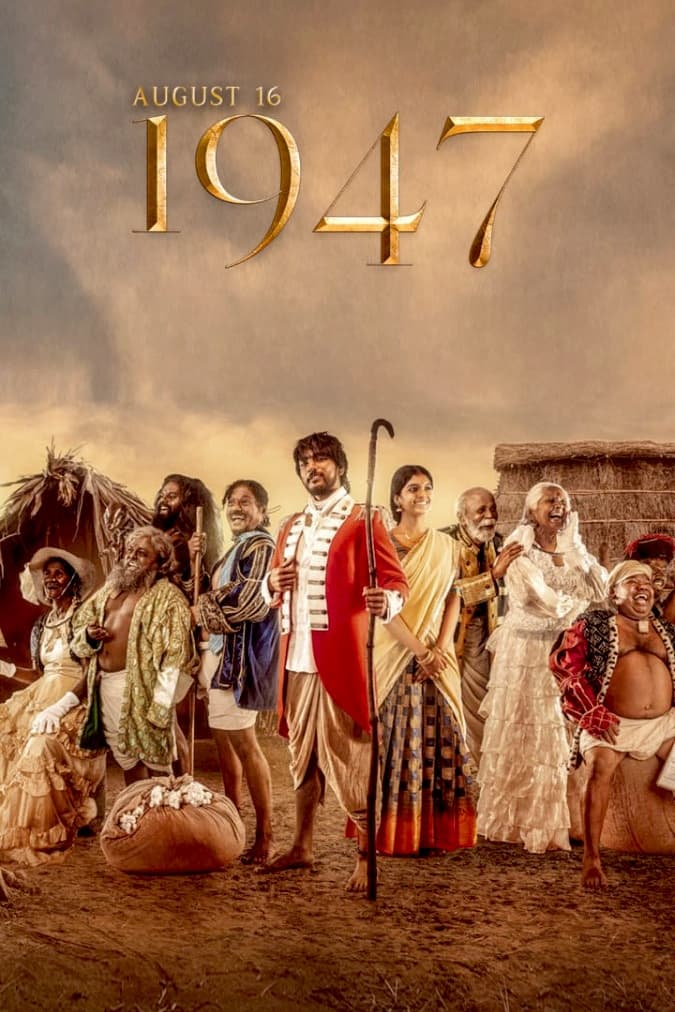
August 16, 1947
An atrocious British general is in charge of a secluded fictional village in pre-Independence Madras. Spanning in three days, from 14 August to 16 August 1947 and follows the illiterate and oppressed villagers’ lives as they fail to receive the news of India’s Independence due to isolation. A local lout, Param, leads a revolt to free them all.
Insights
Plot Summary
Set in a fictional South Indian village on the eve of India's independence, the film follows the forbidden love between a Tamil priest and a low-caste woman. Their relationship is tested by societal norms, political unrest, and the impending partition of India. The story explores themes of caste, love, and the struggle for freedom against a backdrop of historical change.
Critical Reception
The film received mixed to positive reviews, with praise for its bold subject matter, performances, and period setting. However, some critics found the narrative pacing uneven and certain plot points predictable. Audience reception was generally favorable, appreciating the film's attempt to address sensitive social issues.
What Reviewers Say
Praised for its strong performances, particularly from the lead actors.
Appreciated for its exploration of caste discrimination and forbidden love in a historical context.
Some criticism regarding the film's pacing and predictability in certain narrative arcs.
Google audience: Google users largely appreciated the film's powerful storytelling and its willingness to tackle social issues like caste and class. The romantic plot and the historical setting were also frequently highlighted as positive aspects, contributing to a generally favorable audience score.
Fun Fact
The film's narrative is set in a fictional village that represents many real villages in South India grappling with the social and political ramifications of India's independence and partition.
AI-generated overview · Verify ratings on official sources