
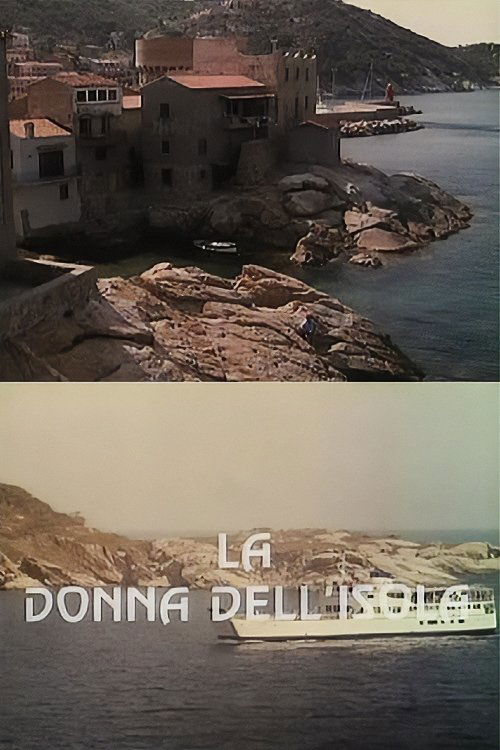
Blue Island
Miriam Rossi arrives at a small village to take possession of a well located hotel that she inherited from her grandfather.
Insights
Plot Summary
A young woman, driven by a complex mix of nostalgia and disillusionment, revisits her past in Taiwan. As she reconnects with former lovers and friends, she grapples with the societal changes and personal choices that have shaped her life and the lives of those around her. The film explores themes of memory, identity, and the lingering impact of history on the present.
Critical Reception
Edward Yang's 'Blue Island' is widely regarded as a masterpiece of Taiwanese cinema, lauded for its intricate narrative, sensitive character portrayals, and profound exploration of memory and societal transformation. Critics praised its ambitious scope and Yang's distinctive directorial style, which blends personal introspection with historical context.
What Reviewers Say
- Praised for its rich, contemplative storytelling and nuanced character development.
- Celebrated for its poignant exploration of memory, identity, and the socio-political landscape of Taiwan.
- Commended for Edward Yang's masterful direction and evocative visual style.
Google audience: Audience reviews are scarce for this film, but those available tend to highlight its depth and artistic merit, often recommending it for viewers interested in thoughtful, character-driven dramas.
Awards & Accolades
Nominated for the Golden Lion at the Venice Film Festival.
Fun Fact
The film was originally titled 'Kong Xiao Xiao' (Empty City), but was later changed to 'Blue Island' for its international release.
AI-generated overview · Verify ratings on official sources