Movie spotlight
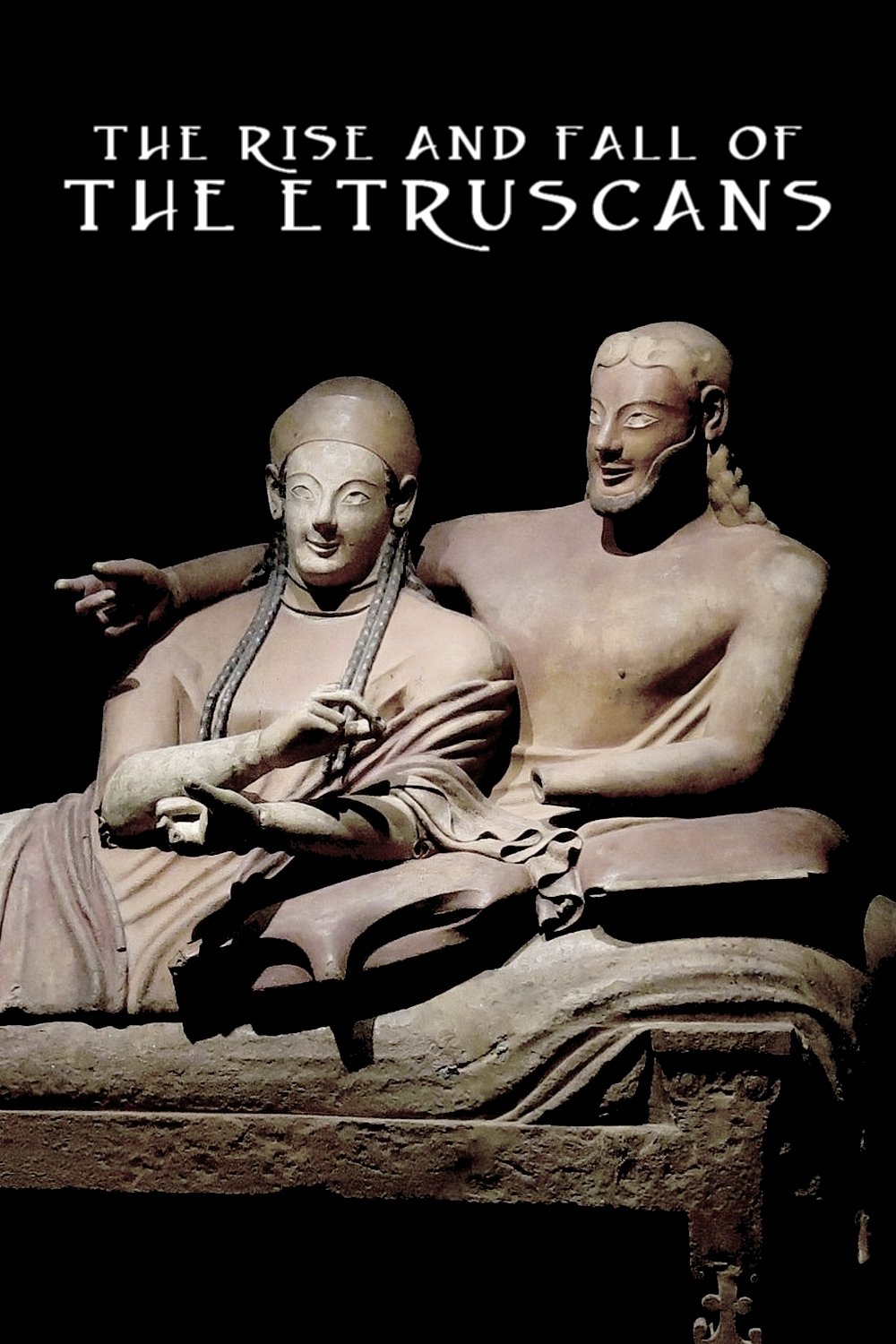
The Rise and Fall of the Etruscans
For eight centuries, between the 9th and 1st century BC, the Etruscans, inhabitants of the Italian peninsula, were one of the most powerful peoples of the Mediterranean basin, and when they disappeared they left behind impressive necropolises, vestiges of sanctuaries and even entire cities. How did they attain such power? How far did they extend their dominion and influence? What were the causes of their decline?
Insights
Plot Summary
This documentary delves into the mysterious and influential civilization of the Etruscans, who flourished in ancient Italy long before the rise of Rome. It explores their unique culture, advanced society, and enigmatic origins, tracing their development from early settlements to their eventual absorption into the Roman Republic. The film utilizes archaeological findings and historical analysis to piece together the story of this fascinating precursor civilization.
Critical Reception
While specific critical reviews for 'The Rise and Fall of the Etruscans (2022)' are not widely aggregated, documentaries of this nature typically receive praise for their educational content and engaging presentation of historical subjects. Audiences interested in ancient history and archaeology generally find such films informative and well-produced.
What Reviewers Say
Praised for its comprehensive overview of Etruscan civilization.
Appreciated for bringing a lesser-known ancient culture to life.
Noted for its clear and accessible historical narration.
Google audience: Google users generally found the documentary to be highly informative and engaging, appreciating its ability to shed light on a significant yet often overlooked ancient society. The visual presentation and clarity of the historical narrative were frequently highlighted as strengths.
Fun Fact
The Etruscan language remains largely undeciphered, making the study of their civilization heavily reliant on their art, artifacts, and their interactions with neighboring cultures like the Greeks and Romans.
AI-generated overview · Verify ratings on official sources