Movie spotlight
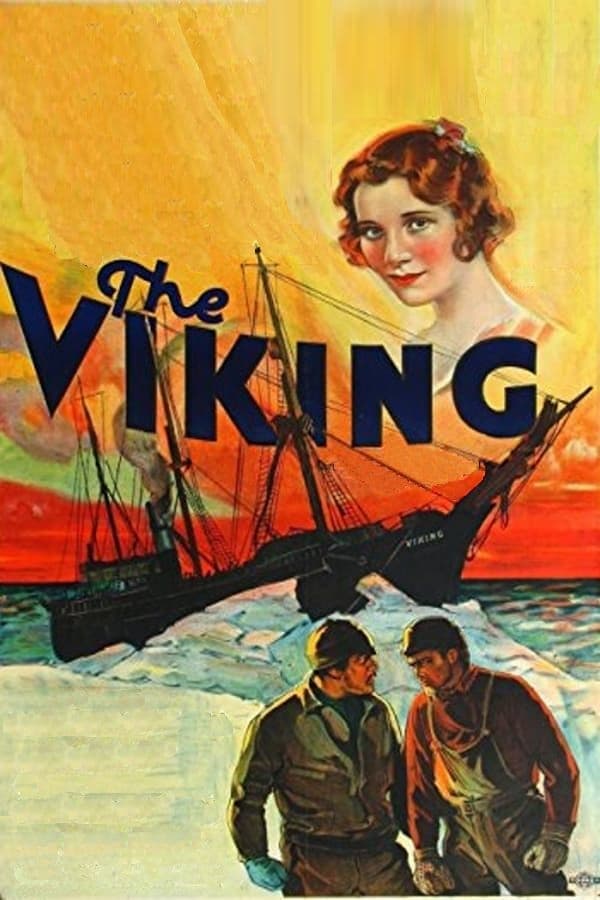
The Viking
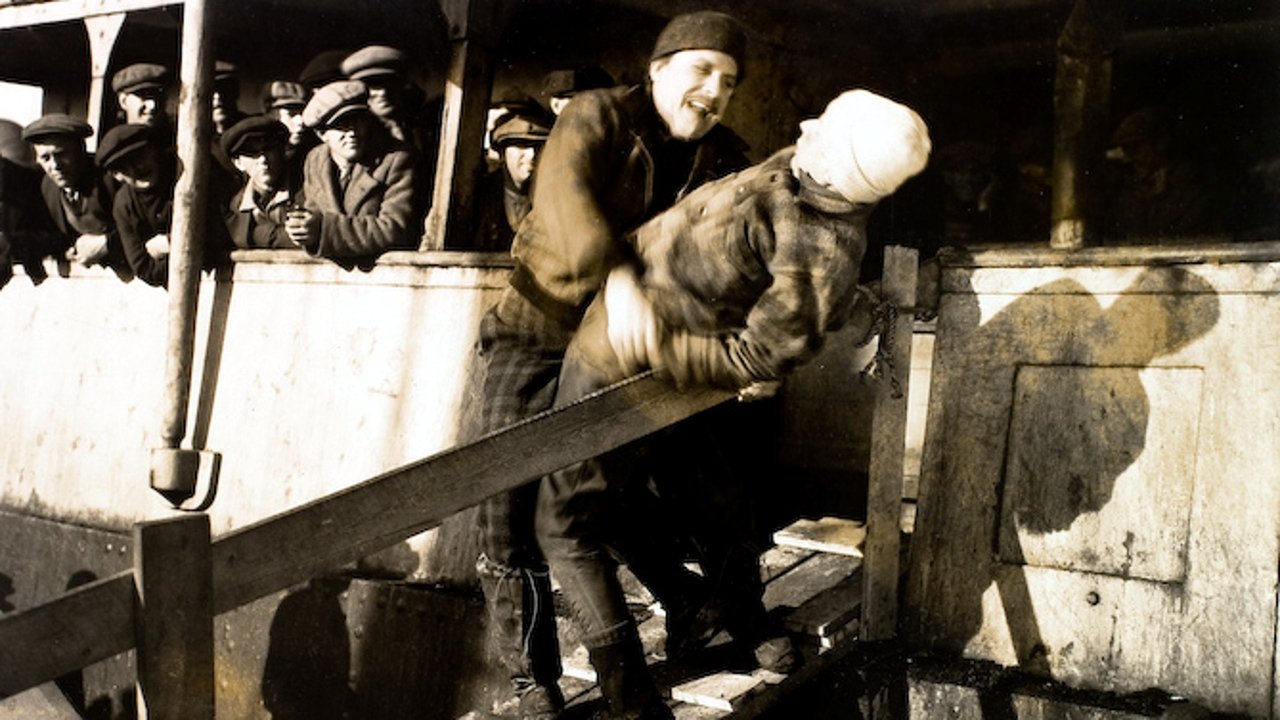
Originally called White Thunder, American producer Varick Frissell's 1931 film was inspired by his love for the Canadian Arctic Circle. Set in a beautifully black-and-white filmed Newfoundland, it is the story of a rivalry between two seal hunters that plays out on the ice floes during a hunt. Unsatisfied with the first cut, Frissell arranged for the crew to accompany an actual Newfoundland seal hunt on The SS Viking, on which an explosion of dynamite (carried regularly at the time on Arctic ships to combat ice jams) killed many members of the crew, including Frissell. The film was renamed in honor of the dead.
Insights
Plot Summary
In the 11th century, Northmen sailors journey to the shores of the New World. As they establish a new settlement, they encounter the indigenous people of the land. The film depicts the challenges and conflicts faced by these early explorers and their interactions with the native inhabitants.
Critical Reception
Upon its release, 'The Viking' was noted for its ambitious scope and early Technicolor process. While visually striking for its time, its narrative and performances received mixed to moderate reviews, often overshadowed by its technical achievements.
What Reviewers Say
Praised for its pioneering use of color technology.
Considered a visually impressive, albeit dramatically uneven, historical epic for its era.
Its adventurous spirit and depiction of early exploration were points of interest.
Google audience: Audience reception information for 'The Viking' (1931) is not readily available in modern digital formats.
Fun Fact
The Viking was one of the first feature-length films to be shot entirely in Technicolor.
AI-generated overview · Verify ratings on official sources