
Movie spotlight
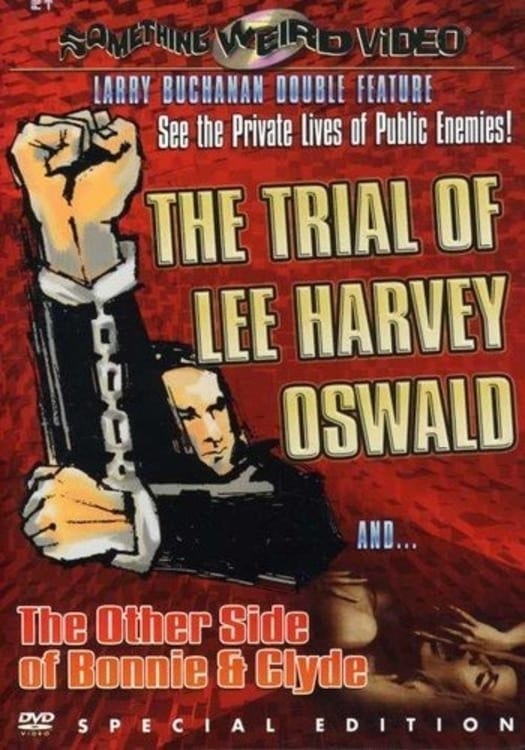
The Trial of Lee Harvey Oswald
The Dallas trial of Lee Harvey Oswald, President John F. Kennedy's alleged assassin, is enacted as it might have occurred. After the defense enters pleas of "not guilty" and "not guilty by reason of insanity," 23 witnesses for the prosecution testify. No verdict is returned.
Insights
Plot Summary
This television production presents a fictionalized courtroom drama imagining the trial of Lee Harvey Oswald, the accused assassin of President John F. Kennedy. It explores the legal and ethical complexities of such a high-profile case, focusing on the prosecution's arguments, Oswald's defense, and the societal implications of the assassination.
Critical Reception
As a live television event broadcast shortly after the assassination, "The Trial of Lee Harvey Oswald" generated considerable discussion and controversy. It was noted for its ambitious attempt to grapple with a national tragedy through a dramatic lens, though its speculative nature and the speed of its production meant it was received with mixed reactions regarding its historical accuracy and dramatic execution.
What Reviewers Say
Praised for its topicality and bold premise in addressing a recent national trauma.
Criticized for its speculative nature and the inherent difficulties in dramatizing an ongoing, unresolved event.
Some viewers found the performances compelling, particularly Darren McGavin as Oswald and Walter Matthau as the prosecutor.
Google audience: Information on Google user reviews for this specific 1964 television production is not readily available.
Fun Fact
This was one of the earliest dramatic attempts to fictionalize the events surrounding the assassination of President John F. Kennedy, airing less than a year after the event itself, which was a very rapid turnaround for such sensitive material.
AI-generated overview · Verify ratings on official sources