
Lost Country
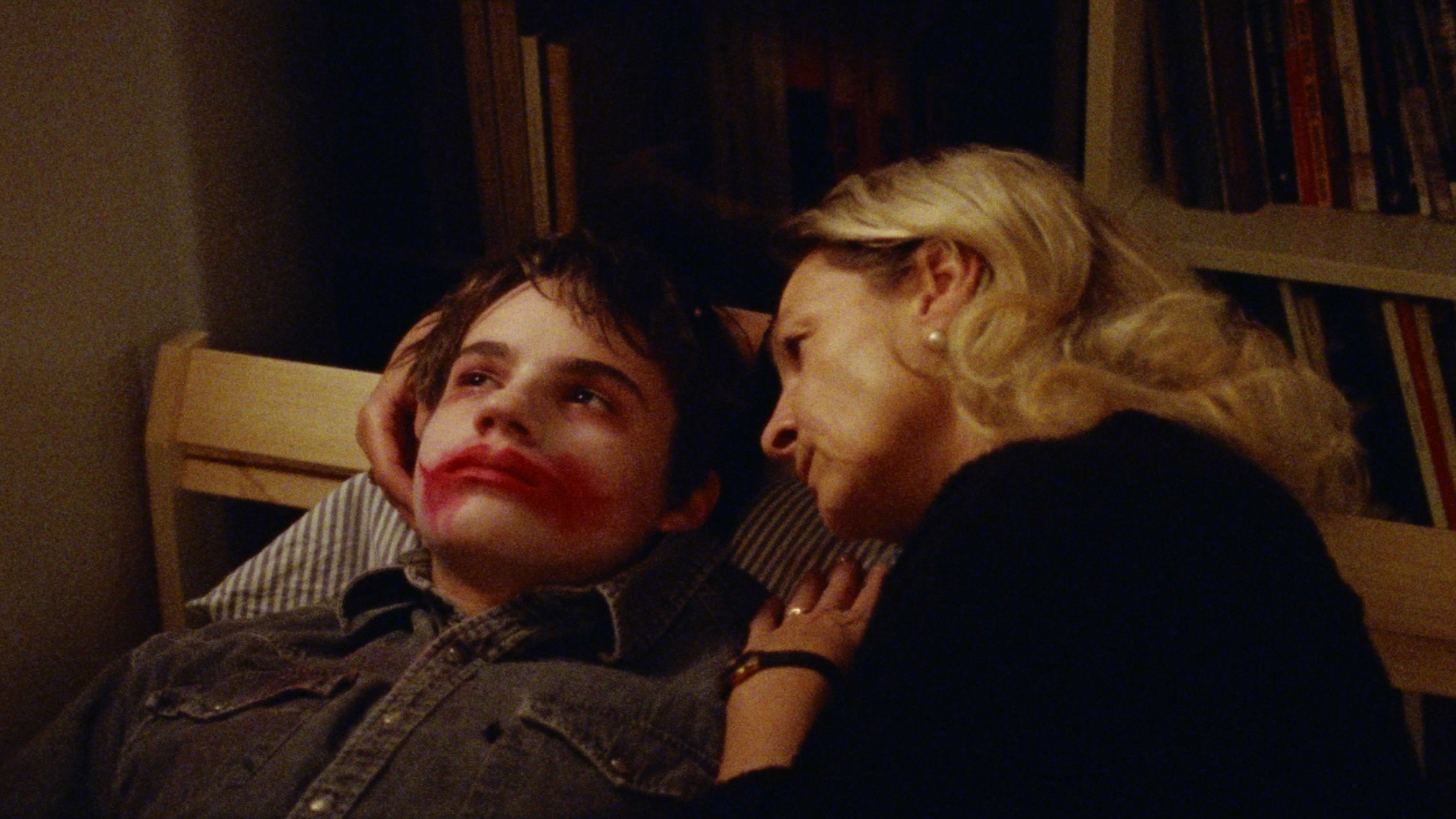
Belgrade, 1996. During the student demonstrations against the Milosevic regime, 15-year-old Stefan leads his own revolution in the heat of events: accepting the unacceptable, seeing his mother as an accomplice in the crime and finding, despite the love he feels for her, the strength to confront her.
Insights
Plot Summary
In a conservative 1990s suburb, a closeted gay teenager grapples with his identity and the fallout from his father's affair. As he navigates his volatile home life and the complexities of a new relationship, he must confront the societal expectations and personal desires that threaten to consume him.
Critical Reception
Lost Country received generally positive reviews, with praise directed at its sensitive portrayal of adolescent struggles and Abrahamson's performance. Some critics noted the film's deliberate pacing, while others found its emotional depth resonant. It was seen as a poignant exploration of coming-of-age in a restrictive environment.
What Reviewers Say
- Praised for its authentic depiction of teenage angst and difficult family dynamics.
- Jared Abrahamson's performance as the lead character was widely lauded for its nuance and emotional impact.
- The film effectively captures the atmosphere and anxieties of its 1990s setting.
Google audience: Audience reception information is not readily available from Google reviews.
Fun Fact
Director Rhys Ernst based aspects of the film on their own experiences growing up in the 1990s.
AI-generated overview · Verify ratings on official sources