Biography
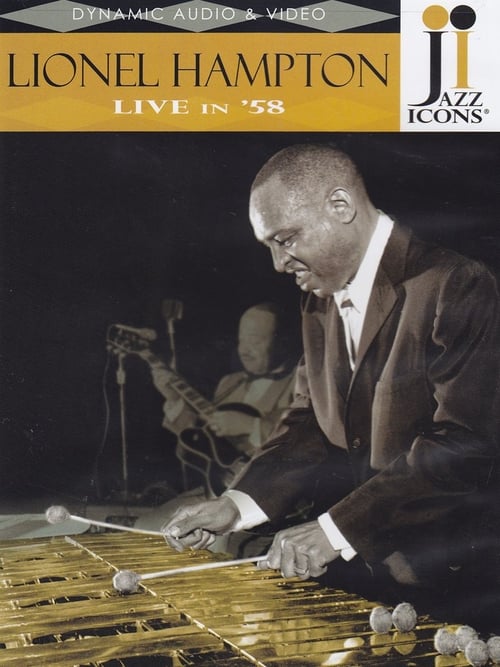
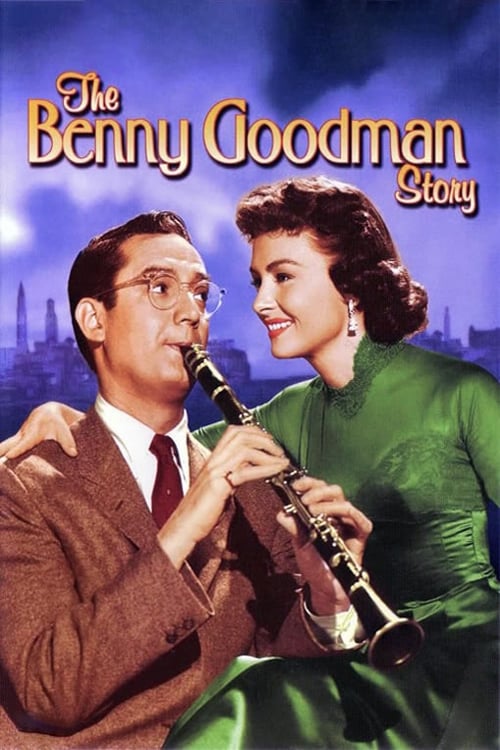
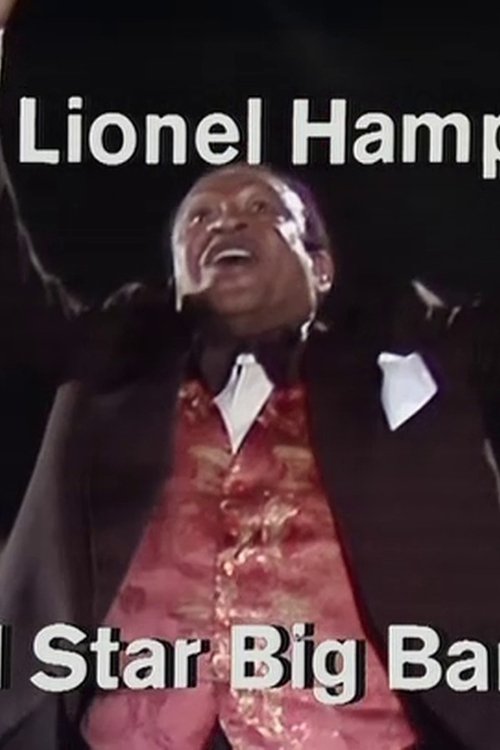
Lionel Leo Hampton (April 20, 1908 – August 31, 2002) was an American jazz vibraphonist, pianist, percussionist, and bandleader. Hampton worked with jazz musicians from Teddy Wilson, Benny Goodman, and Buddy Rich, to Charlie Parker, Charles Mingus, and Quincy Jones. In 1992, he was inducted into the Alabama Jazz Hall of Fame, and he was awarded the National Medal of Arts in 1996. Lionel Hampton was born in 1908 in Louisville, Kentucky, and was raised by his mother. Shortly after he was born, he and his mother moved to her hometown of Birmingham, Alabama. He spent his early childhood in Kenosha, Wisconsin, before he and his family moved to Chicago, Illinois, in 1916. As a youth, Hampton was a member of the Bud Billiken Club, an alternative to the Boy Scouts of America, which was off-limits because of racial segregation. During the 1920s, while still a teenager, Hampton took xylophone lessons from Jimmy Bertrand and began to play drums. Hampton was raised Catholic, and started out playing fife and drum at the Holy Rosary Academy near Chicago. Lionel Hampton began his career playing drums for the Chicago Defender Newsboys' Band (led by Major N. Clark Smith) while still a teenager in Chicago. While he lived in Chicago, Hampton saw Louis Armstrong at the Vendome, remembering that the entire audience went crazy after his first solo. He moved to California in 1927 or 1928, playing drums for the Dixieland Blues-Blowers. He made his recording debut with The Quality Serenaders led by Paul Howard, then left for Culver City and drummed for the Les Hite band at Sebastian's Cotton Club. One of his trademarks as a drummer was his ability to do stunts with multiple pairs of sticks such as twirling and juggling without missing a beat. During this period, he began practicing on the vibraphone. In 1930 Louis Armstrong came to California and hired the Les Hite band for performances and recordings. Armstrong was impressed with Hampton's playing after Hampton reproduced Armstrong's solo on the vibraphone and asked him to play behind him like that during vocal choruses. So began his career as a vibraphonist, popularizing the use of the instrument in the process. Invented ten years earlier, the vibraphone is essentially a xylophone with metal bars, a sustain pedal, and resonators equipped with electric-powered fans that add tremolo. While working with the Les Hite band, Hampton also occasionally did some performing with Nat Shilkret and his orchestra. During the early 1930s, he studied music at the University of Southern California. In 1934 he led his own orchestra, and then appeared in the Bing Crosby film Pennies From Heaven (1936) alongside Louis Armstrong (wearing a mask in a scene while playing drums). Also in November 1936, the Benny Goodman Orchestra came to Los Angeles to play the Palomar Ballroom. When John Hammond brought Goodman to see Hampton perform, Goodman invited him to join his trio, which soon became the Benny Goodman Quartet with pianist Teddy Wilson and drummer Gene Krupa completing the lineup. The Trio and Quartet were among the first racially integrated jazz groups to perform before audiences, and were a leading small group of the day. ... Source: Article "Lionel Hampton" from Wikipedia in English, licensed under CC-BY-SA 3.0.