
TV Show spotlight
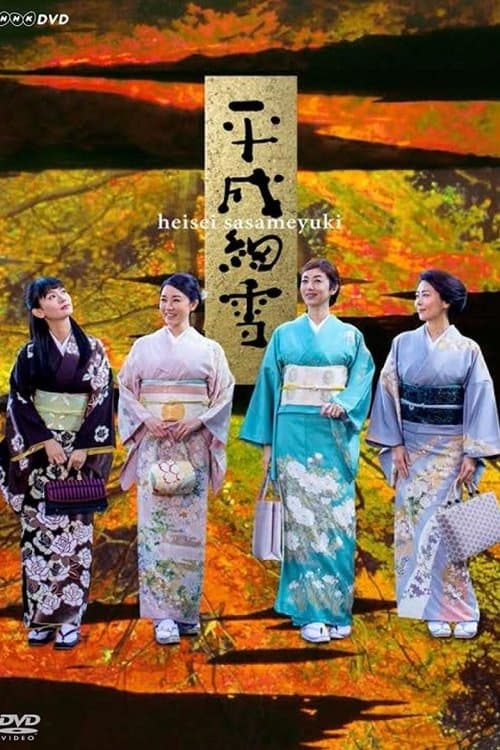
The Makioka Sisters
Taking place in the spring of 1992, the story begins with the father of the Makioka company handing his company over. It starts a new era for the lives of the 4 Makioka sisters. Tsuruko continues living with the memory of their family's former glory, though it no longer remains. Yukiko, not dissatisfied with her married life, finds herself worrying over her sisters' behavior. Yukiko, the third born daughter, is seeking to marry but has failed matchmaking many times. The youngest, Taeko, gets caught in a typhoon that hits Kansai...
Insights
Plot Summary
Set in Osaka in the years leading up to World War II, the film chronicles the slow decline of the once-prominent Makioka family. As the three elder Makioka sisters grapple with tradition and modernity, their youngest sister, Tsuruko, faces an arranged marriage that threatens to further disrupt the family's fading fortunes and social standing. The narrative beautifully captures the nuances of Japanese society and familial obligations during a period of significant change.
Critical Reception
The Makioka Sisters was critically acclaimed for its lush cinematography, nuanced performances, and poignant exploration of Japanese culture and societal shifts. It was praised for its faithful adaptation of Junichiro Tanizaki's novel and its sensitive portrayal of the Makioka sisters' lives.
What Reviewers Say
Praised for its exquisite visual beauty and atmospheric storytelling.
Lauded for its sensitive depiction of tradition versus modernity in pre-war Japan.
The performances of the lead actresses were frequently highlighted as a strong point.
Google audience: Audiences generally loved the film's beautiful visuals and moving story, appreciating its deep dive into Japanese culture and family dynamics during a historical period. Many found it to be a profoundly affecting and artistically rendered cinematic experience.
Awards & Accolades
Nominated for the Palme d'Or at the 1984 Cannes Film Festival. Won several awards in Japan, including Best Film at the Japan Academy Film Prize.
Fun Fact
The film is based on the acclaimed novel of the same name by Junichiro Tanizaki, considered one of the masterpieces of modern Japanese literature.
AI-generated overview · Verify ratings on official sources