TV Show spotlight
Wait Till Your Father Gets Home
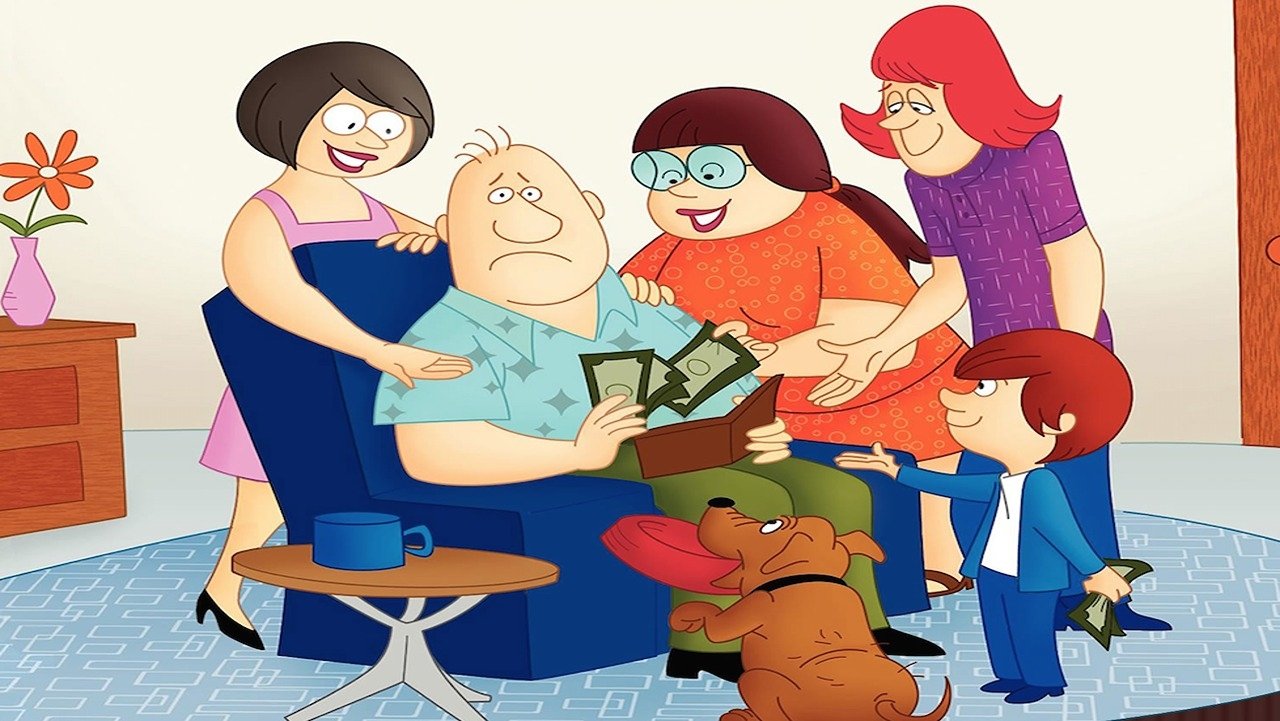
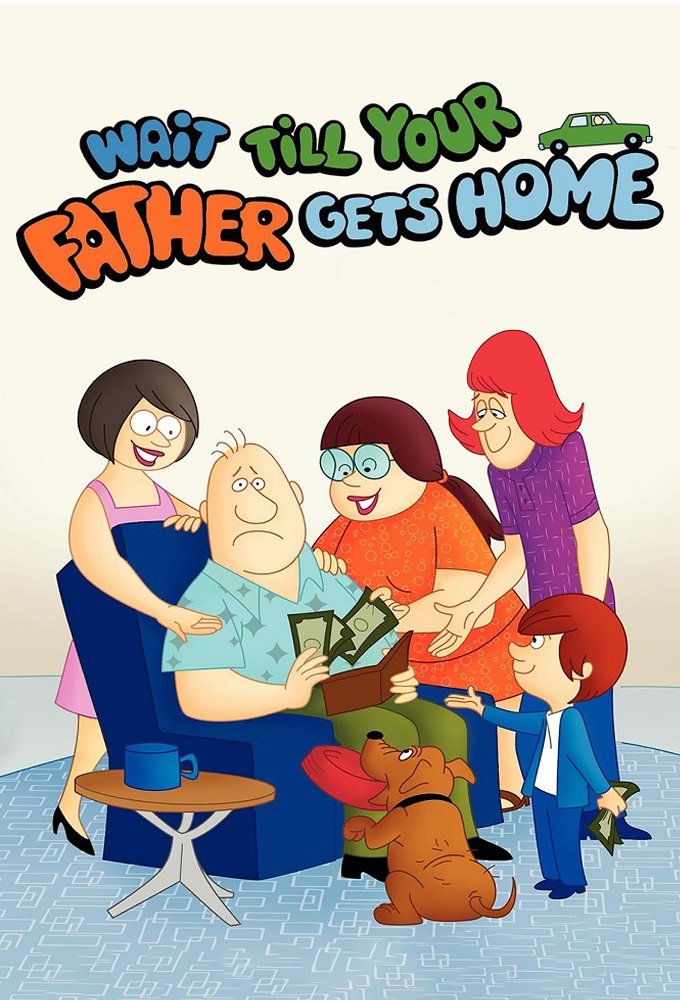
Wait Till Your Father Gets Home chronicles the lives of the Boyles, your average 1970's American family. Harry Boyle, the father, owns a restaurant supply company. His wife Irma portrays the typical housewife, with an occasional independent flare. Harry and Irma have three children: Chet, Alice, and Jamie. Chet, who is 22, is a college dropout, who spends most of his time sleeping. Alice is a rather robust 16-year-old, who teams up with her mother, to display the independence of women, in the 70's. Jamie is the Capitalist of the family, even though he is only 9. The show is set in the suburbs of Los Angeles, on Elm Street, to be precise. During the 1973 season, the show was host to many celebrity voices, including: Don Knotts, Phyllis Diller, Bea Arthur and many more (many of these guests were carried over from The New Scooby-Doo Movies, which were recored at this time).
Insights
Plot Summary
This animated sitcom follows the often chaotic but loving lives of the Harry Boyle family. A blue-collar Catholic family living in a Chicago suburb, they navigate the everyday challenges of the 1970s, including generational differences, societal changes, and the usual sibling squabbles. The show aimed to reflect the values and humor of middle-class America during its era.
Critical Reception
Wait Till Your Father Gets Home was a popular animated series in the mid-1970s, known for its relatable characters and its attempt to tackle contemporary issues within a family sitcom format. While not critically acclaimed in the way live-action dramas might be, it found a significant audience and is remembered as a product of its time.
What Reviewers Say
Appreciated for its portrayal of a typical American family dealing with 1970s issues.
Often cited for its unique animated style for its time.
Some found its humor and social commentary dated over time.
Google audience: Audience reception is mixed, with many recalling the show fondly as a nostalgic piece of 1970s television. Some viewers appreciated its attempts to reflect contemporary societal changes through animation, while others found its pacing and humor to be characteristic of its era.
Fun Fact
The show was one of the first animated sitcoms aimed at an adult audience, predating 'The Simpsons' by over a decade, and was created in response to the success of Norman Lear's live-action sitcoms.
AI-generated overview · Verify ratings on official sources