TV Show spotlight
Once Upon a Time in Iraq
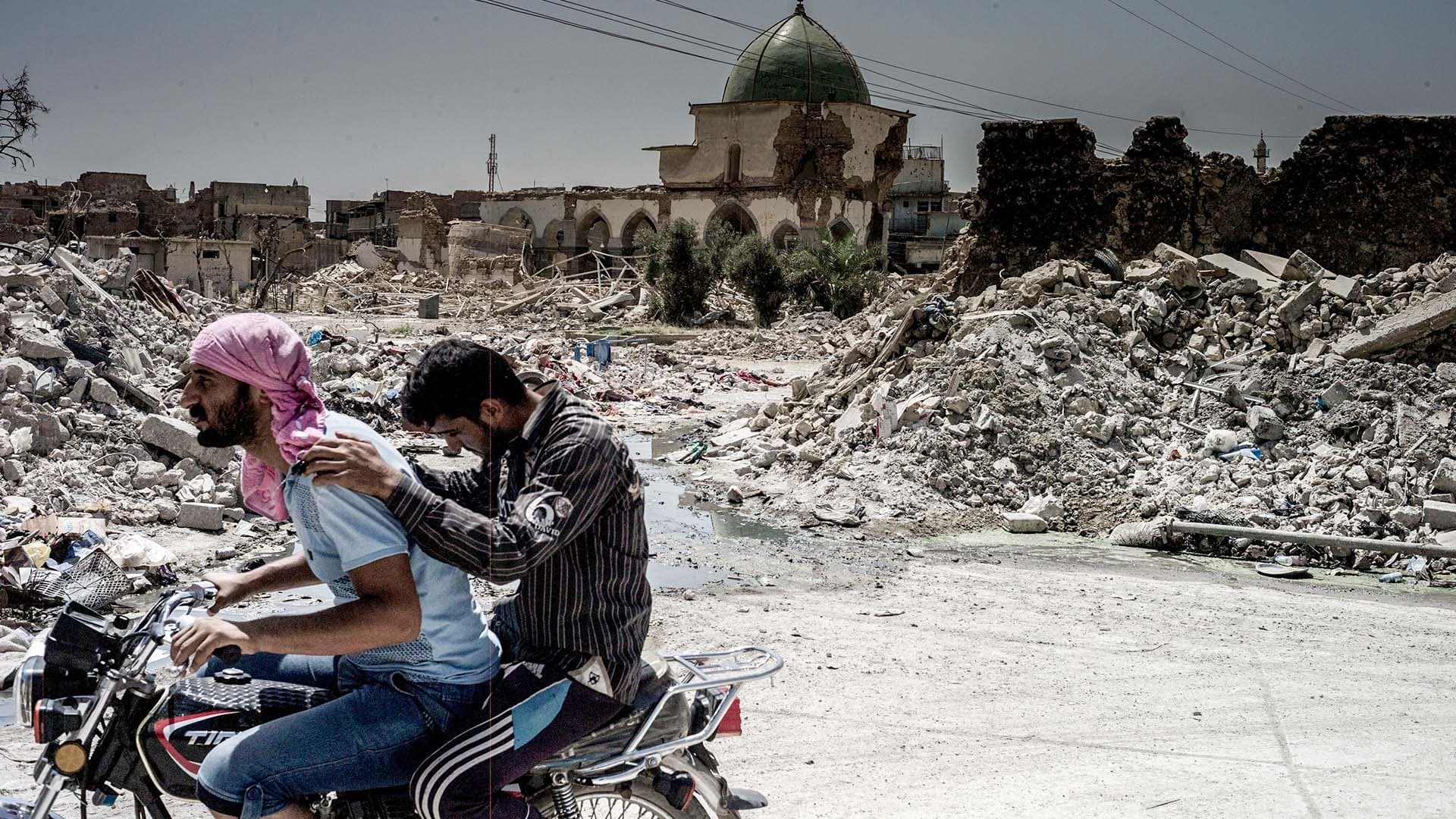
With unique personal archive from civilians and soldiers from both sides of the conflict, this series takes viewers closer to the realities of war and life under Isis than they have ever been before.
Insights
Plot Summary
This documentary offers a poignant and deeply personal look at the impact of war on ordinary people in Iraq. Through the eyes of six distinct individuals, it recounts their experiences and the profound ways their lives were altered by decades of conflict. The film moves beyond political analysis to focus on human resilience, memory, and the search for peace amidst devastation. It chronicles their journeys from childhood innocence through immense hardship to their present-day lives.
Critical Reception
Once Upon a Time in Iraq was widely acclaimed for its powerful and intimate storytelling, offering a perspective on the Iraq War often overshadowed by political and military narratives. Critics praised its focus on individual experiences and its humanistic approach to a complex and devastating subject. The film was noted for its emotional resonance and its ability to convey the enduring spirit of the Iraqi people.
What Reviewers Say
Praised for its deeply personal and humanistic portrayal of life during wartime.
Commended for shifting focus from political events to the individual impact of conflict.
Recognized for its emotional depth and the resilience it showcases in its subjects.
Google audience: Audience reception for this specific documentary is not widely aggregated on Google. However, similar documentaries focusing on the human impact of war are often praised for their emotional honesty and ability to foster empathy.
Awards & Accolades
Nominated for a BAFTA TV Award for Best Current Affairs.
Fun Fact
The documentary features interviews with individuals whose ages spanned from children during the height of conflict to adults who have lived through multiple wars in Iraq, offering a multi-generational perspective.
AI-generated overview · Verify ratings on official sources