
Izumo no Okuni
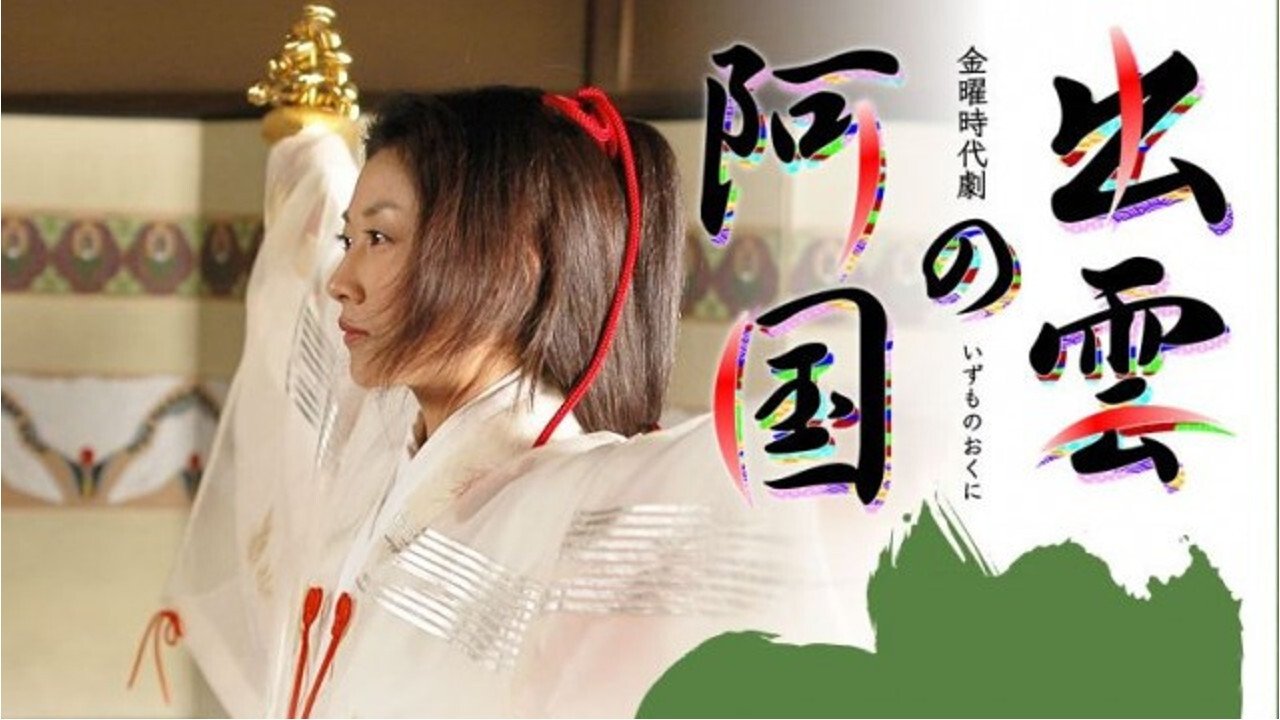
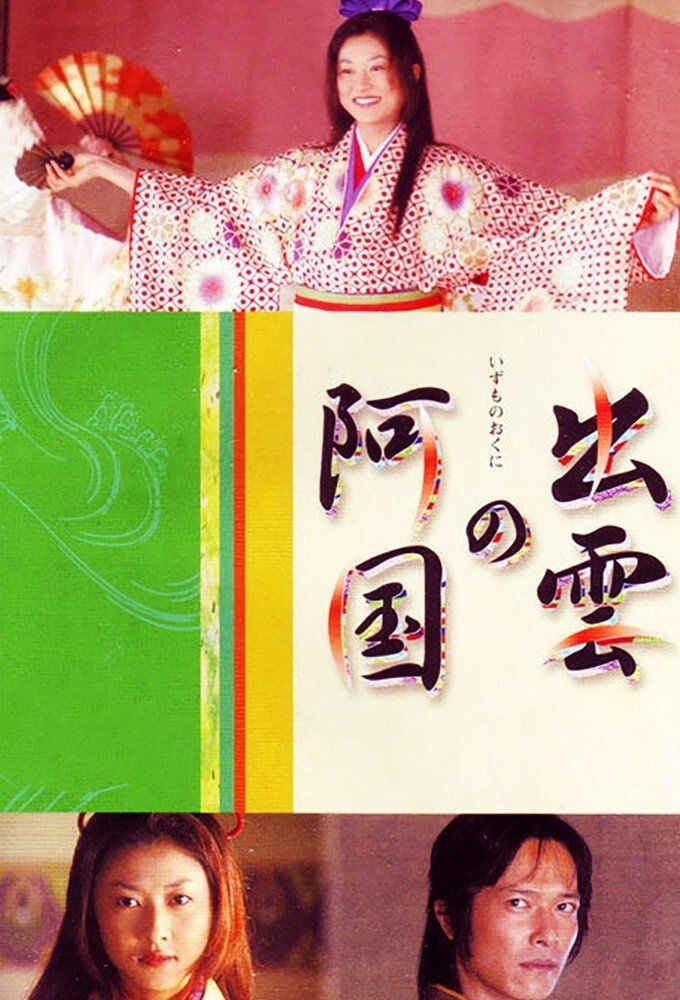
Izumo no Okuni was born about 1571. This time period in Japanese history was fraught with struggle. It was known as the Period of Warring States, that is, the land barrons (daimyo) fought against one another for power. Her father was a blacksmith for the Izumo Grand Shrine and, consequently, the family served as well. It was a custom to send priests and young women, such as Buddhist nuns, among others to solicit contributions. Izumo was sent to Kyoto to perform sacred dances and songs. Her Okuni Kabuki was known and applauded throughout the land. After 25 years she retired.
Insights
Plot Summary
This film depicts the life of Izumo no Okuni, a miko (shrine maiden) credited with originating Kabuki theater. It follows her journey from a humble beginning to becoming a celebrated performer in Kyoto, navigating societal constraints and personal desires. The narrative explores her relationships and her groundbreaking artistic innovations that challenged the norms of her time.
Critical Reception
"Izumo no Okuni" received a mixed to positive reception, with critics often praising Aya Uto's performance as the central figure and the film's visual style. However, some found the pacing uneven and the historical accuracy debatable, typical of biographical dramas that take creative liberties. Audience reception was generally favorable, particularly among those interested in Japanese cultural history and theater.
What Reviewers Say
- Aya Ueto delivers a compelling performance as the legendary Okuni.
- Visually rich with an evocative portrayal of feudal Japan.
- Pacing can be slow, and historical accuracy is sometimes questionable.
Google audience: Information on Google user reviews specifically for this film is not readily available.
Fun Fact
Aya Ueto, who plays Izumo no Okuni, was already a popular idol singer and actress in Japan when this film was released, bringing significant attention to the project.
AI-generated overview · Verify ratings on official sources