TV Show spotlight
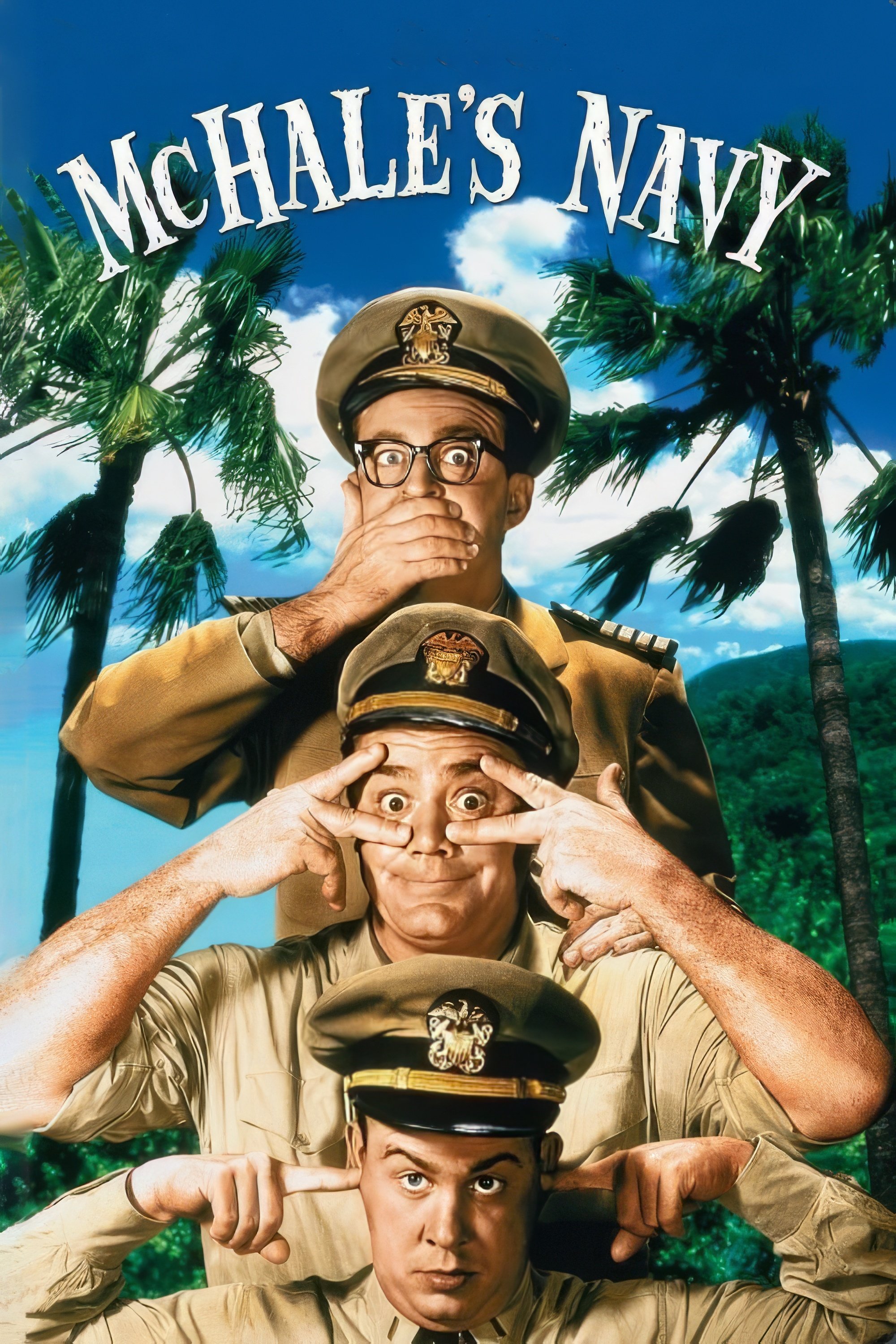
McHale's Navy
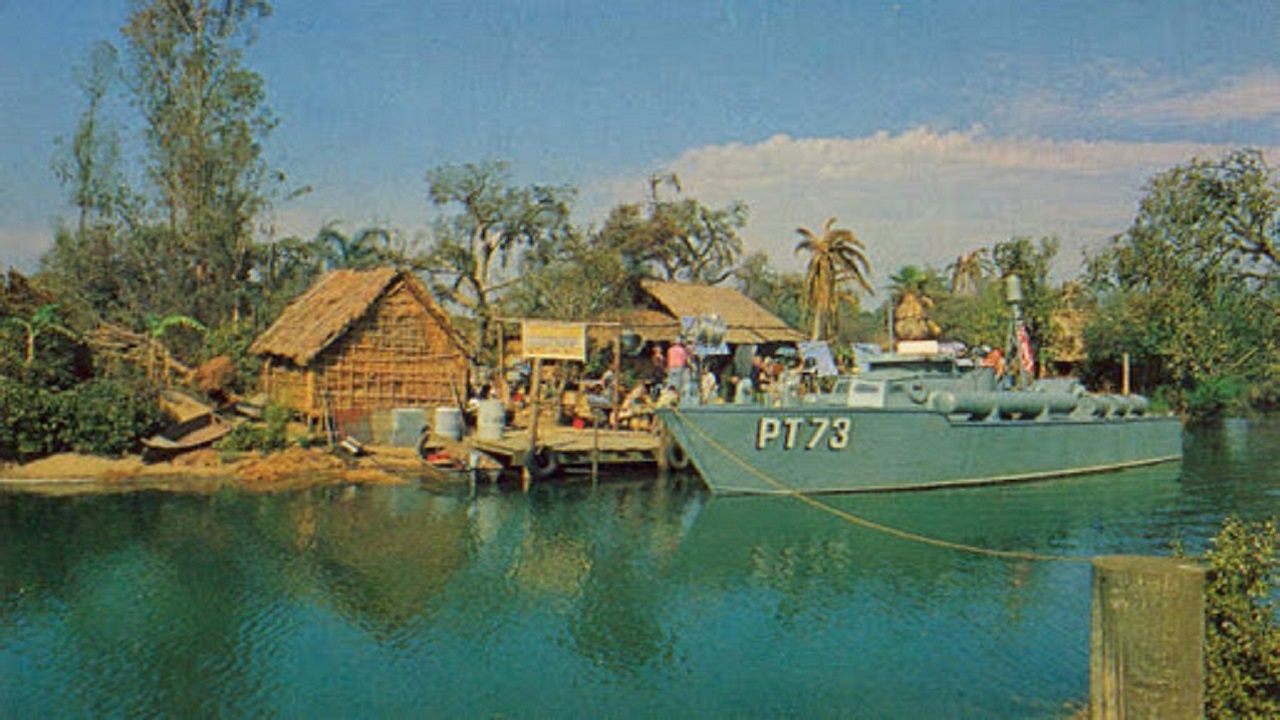
An experienced South Pacific Sea Dog by the name of Quinton McHale, was commissioned as a Lieutenant Commander into the U.S. Navy Reserve at the start of World War II. McHale was made the Skipper of the Torpedo Patrol (PT) Boat #73 stationed at the U.S. Naval Installation on the island of Taratupa in the Southwest Pacific. The 73 'Family' included, among others, a con man and amateur Magician, a womanizing hunk, a dedicated Family man, a guitar-playing, moonshine-making Tennessee good ol' boy, and even a deserter from the Japanese Navy, who was an excellent cook.
Insights
Plot Summary
During World War II, a crafty U.S. Navy Lieutenant, Ernest McHale, and his mischievous crew aboard PT-73 devise elaborate schemes to avoid duty and engage in black market dealings. Their antics often clash with the stringent and by-the-book approach of their superior officer, Captain Binghamton, leading to a series of comedic misunderstandings and narrow escapes.
Critical Reception
McHale's Navy was a popular sitcom during its original run, known for its lighthearted humor and slapstick comedy derived from the misadventures of its crew. While not critically acclaimed for its depth or realism, it was widely enjoyed for its escapism and comedic performances, particularly from Ernest Borgnine and Tim Conway. The film adaptation aimed to capture the spirit of the show.
What Reviewers Say
Relies heavily on the slapstick and running gags established in the television series.
Ernest Borgnine's comedic turn as McHale is a highlight, though the plot is thin.
A lighthearted, albeit somewhat dated, war comedy that prioritizes laughs over logic.
Google audience: Audience reception for the film is mixed, with many viewers enjoying the familiar characters and comedic situations from the beloved TV show, while others found the humor to be predictable and the plot lacking substance.
Fun Fact
The film 'McHale's Navy' was produced as a theatrical spin-off of the successful ABC television series of the same name, which aired from 1962 to 1966.
AI-generated overview · Verify ratings on official sources