
TV Show spotlight
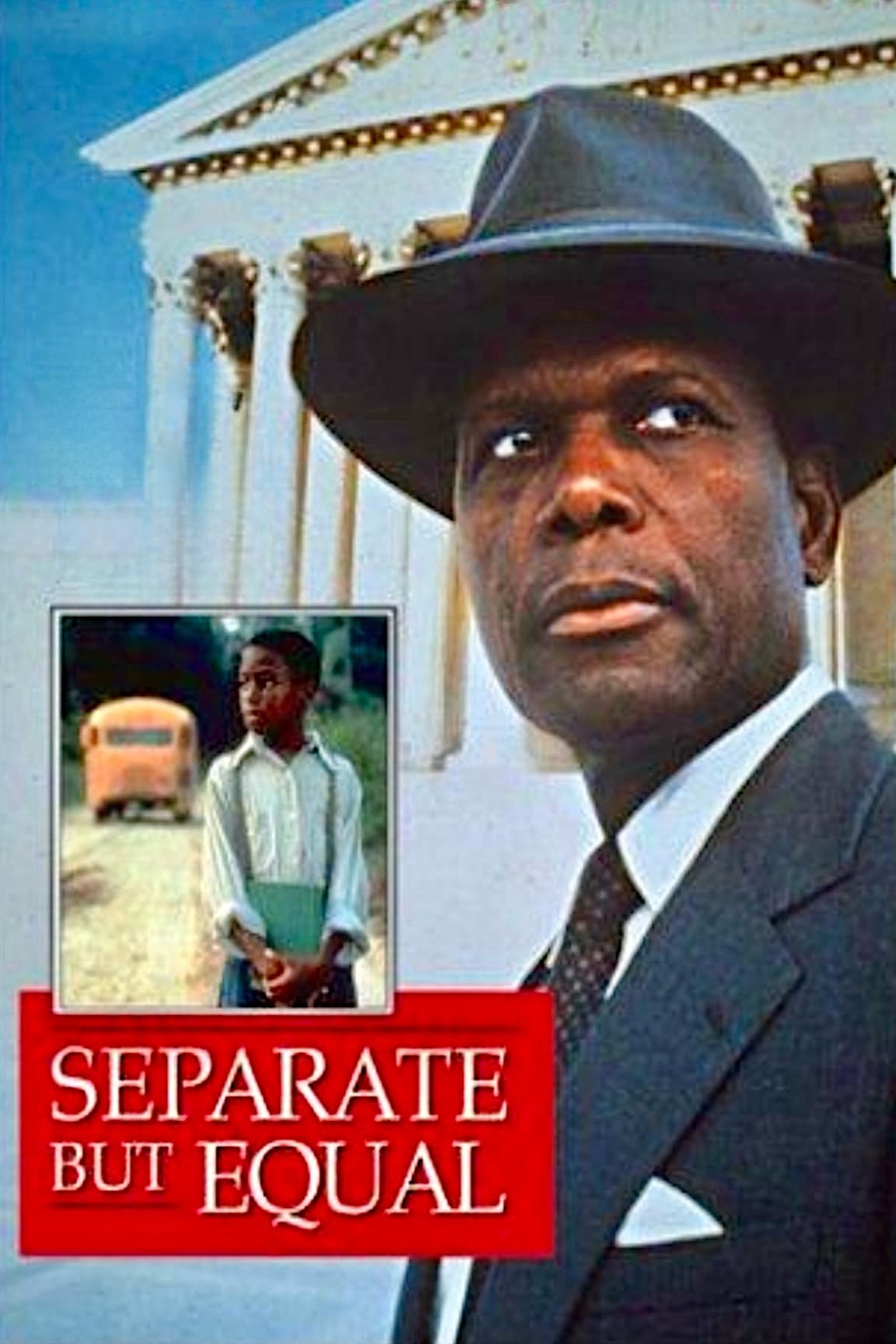
Separate but Equal
A two-part miniseries. Dramatizes the events leading up to the 1954 Supreme Court decision on school desegregation, "Brown vs. Board of Education."
Insights
Plot Summary
This television film dramatizes the landmark 1954 Supreme Court case Brown v. Board of Education, which declared state-sponsored segregation in public schools unconstitutional. It follows the legal battles and personal struggles of Thurgood Marshall, the NAACP lawyer who argued the case, and the justices who presided over it. The narrative explores the immense social and political pressures surrounding the decision and its profound impact on American society.
Critical Reception
Separate but Equal was widely praised for its historical accuracy, powerful performances, and its sensitive handling of a pivotal moment in American civil rights history. Critics lauded the film's ability to educate and engage audiences on the complexities of the Brown v. Board of Education case. It was considered a significant and important television event.
What Reviewers Say
Praised for its stellar cast and faithful depiction of the landmark legal battle.
Hailed as an important and educational film about a crucial civil rights victory.
Recognized for its strong direction and compelling portrayal of historical figures.
Google audience: Audience reviews are not readily available for this older made-for-television film.
Awards & Accolades
Won the Primetime Emmy Award for Outstanding Miniseries, and Sidney Poitier won an Emmy for Outstanding Lead Actor in a Miniseries or a Special. Nominated for several other awards.
Fun Fact
The film was originally intended to be a theatrical motion picture before being redeveloped as a television event, allowing for a more in-depth exploration of the legal arguments and historical context.
AI-generated overview · Verify ratings on official sources