Insights
Plot Summary
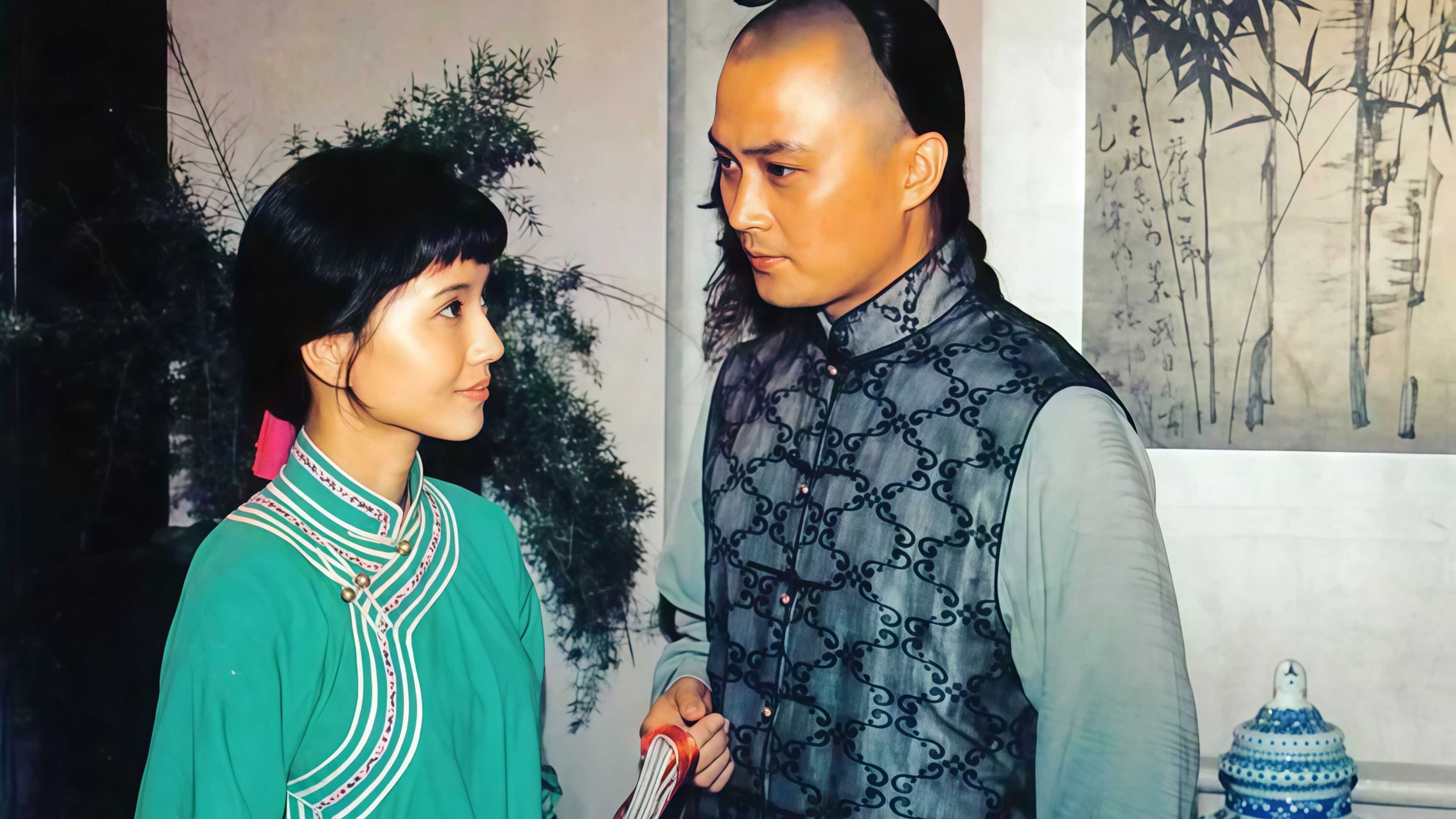
This historical drama recounts the notorious "Yang Naiwu and Little Cabbage" case from the late Qing Dynasty. It tells the tragic story of a scholar, Yang Naiwu, and a young woman, Bai Cai, who become entangled in a complex web of false accusations, political intrigue, and judicial corruption. The narrative explores themes of injustice, societal hypocrisy, and the struggle for truth amidst a backdrop of political turmoil and personal tragedy.
Critical Reception
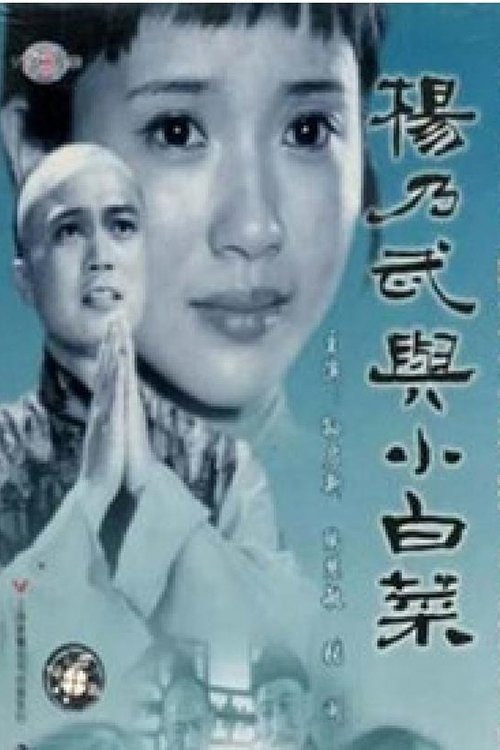
The 1990 television series "Yang Naiwu and Little Cabbage" is widely regarded as a classic of Chinese historical drama. It garnered significant attention for its compelling storytelling, strong performances, and faithful portrayal of a famous historical miscarriage of justice. The series is often praised for its detailed depiction of Qing Dynasty society and its critical examination of the legal and political systems of the era, resonating with audiences for its exploration of enduring themes of truth and justice.
What Reviewers Say
Praised for its meticulous historical detail and atmospheric portrayal of the late Qing Dynasty.
Commended for strong performances, particularly from the lead actors, who brought depth and emotional resonance to their characters.
Recognized for its engaging narrative that effectively highlights the injustices faced by the protagonists.
Google audience: Audience reviews frequently highlight the series' powerful depiction of injustice and its ability to evoke empathy for the characters. Viewers often appreciate the drama's historical context and the compelling way it explores themes of corruption and the fight for truth. The series is remembered for its impactful storytelling and memorable performances.
Fun Fact
The "Yang Naiwu and Little Cabbage" case is one of the most famous miscarriages of justice in Chinese history, and this 1990 television adaptation is considered one of the most definitive dramatizations of the event.
AI-generated overview · Verify ratings on official sources