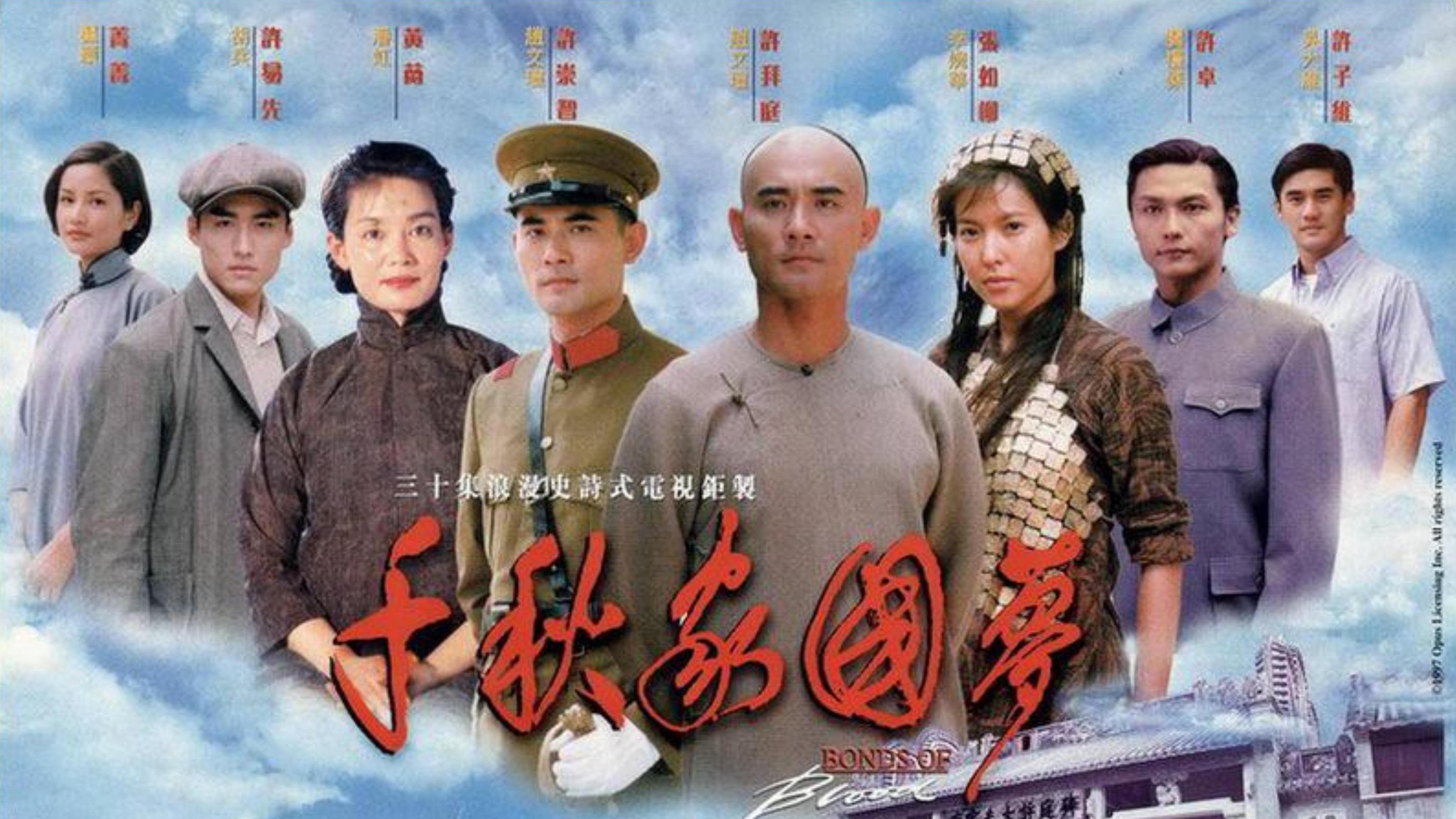
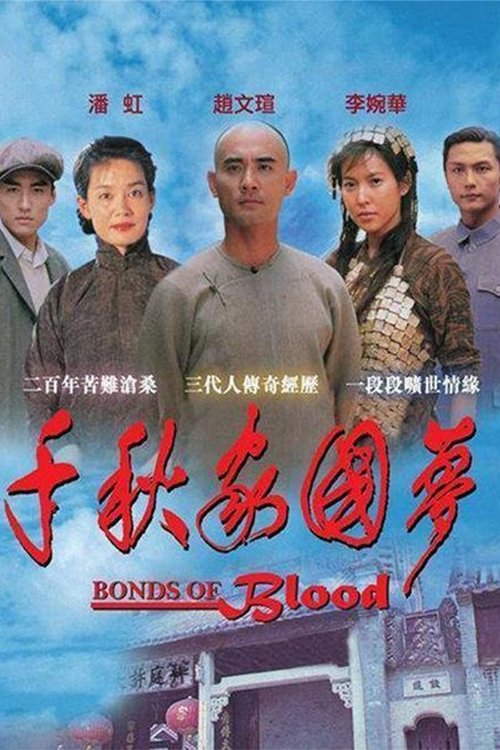
Insights
Plot Summary
The film portrays the life and struggles of Li Shutong, a prominent educator and artist in China during the early 20th century. It details his transformation from a wealthy young man into a devoted monk, highlighting his dedication to art, education, and spiritual pursuits amidst the turbulent social and political changes of his time. The narrative explores his profound impact on Chinese culture and his pursuit of a life dedicated to inner peace and societal betterment.
Critical Reception
Information on critical reception for '千秋家国梦' (Qian Qiu Jia Guo Meng) from 1997 is scarce in easily accessible English-language databases. However, as a historical drama focusing on a significant cultural figure, it was likely appreciated within China for its artistic merit and portrayal of national heritage. Its reception abroad would have been limited due to language and distribution barriers.
What Reviewers Say
Praised for its historical accuracy and the respectful portrayal of Li Shutong's life.
Appreciated for its artistic direction and thematic depth concerning culture and spirituality.
Seen as an important piece of Chinese cinematic heritage, documenting a significant cultural figure.
Google audience: Audience reviews available on Chinese platforms often highlight the film's educational value and its ability to evoke a sense of national pride. Viewers frequently commend the performances and the touching depiction of Li Shutong's spiritual journey and his contributions to art and education. Some mention that the film's pacing can be slow for modern audiences, but its artistic and historical significance is widely acknowledged.
Awards & Accolades
None notable in international databases.
Fun Fact
Li Shutong, the subject of the film, was also known by his Buddhist name, Master Hongyi, and is revered as one of the most influential figures in modern Chinese Buddhism and art history.
AI-generated overview · Verify ratings on official sources