
Insights
Plot Summary
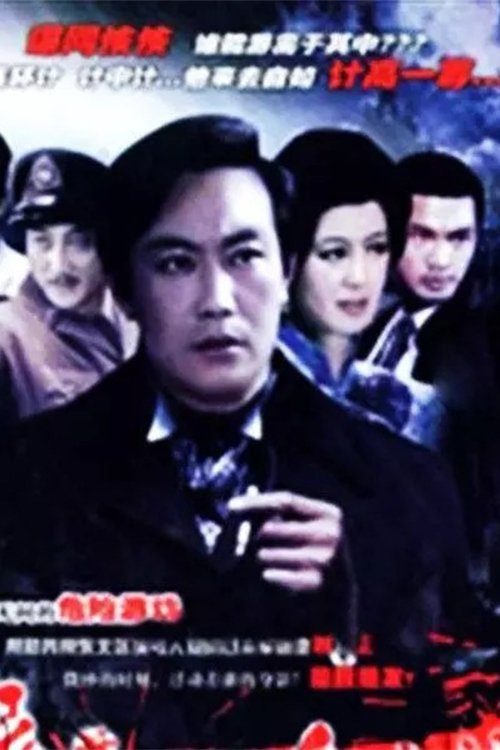
Set in Harbin during the turbulent 1930s under Japanese occupation, the film follows the intertwined lives of ordinary citizens caught in the crosscurrents of war and resistance. A young woman working at a bar becomes involved with a resistance fighter, navigating dangerous political intrigue and personal sacrifices. The narrative explores themes of love, betrayal, and patriotism against the backdrop of a city under oppression.
Critical Reception
The film was a significant production for its time, reflecting the patriotic and anti-Japanese sentiment prevalent in Chinese cinema. It resonated with audiences for its portrayal of historical events and emotional depth, although critical analysis today might focus on its historical narrative style and propagandistic elements. It is generally considered a notable film within the context of Chinese war dramas of the 1980s.
What Reviewers Say
Praised for its depiction of historical struggles and patriotic themes.
Noted for its dramatic storytelling and exploration of human relationships amidst conflict.
Seen as a representative work of Chinese cinema during the 1980s regarding war and occupation narratives.
Google audience: Audience reception information for this specific Chinese film from 1984 is not readily available through standard international review aggregators. General consensus within Chinese film circles indicates it was well-received for its historical narrative and emotional resonance.
Fun Fact
The film was part of a wave of Chinese movies in the 1980s that explored themes of national resistance and the hardships faced during periods of foreign occupation, often aiming to educate and inspire audiences with historical accounts.
AI-generated overview · Verify ratings on official sources