TV Show spotlight
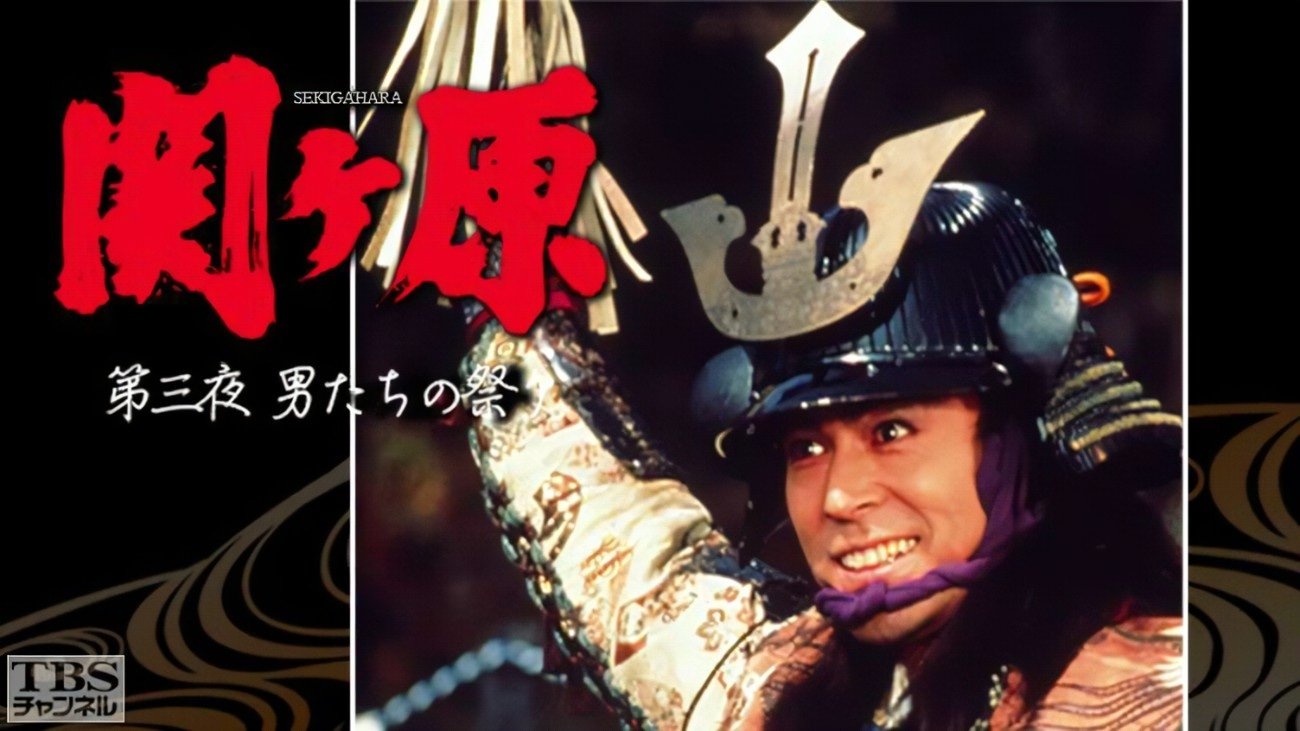
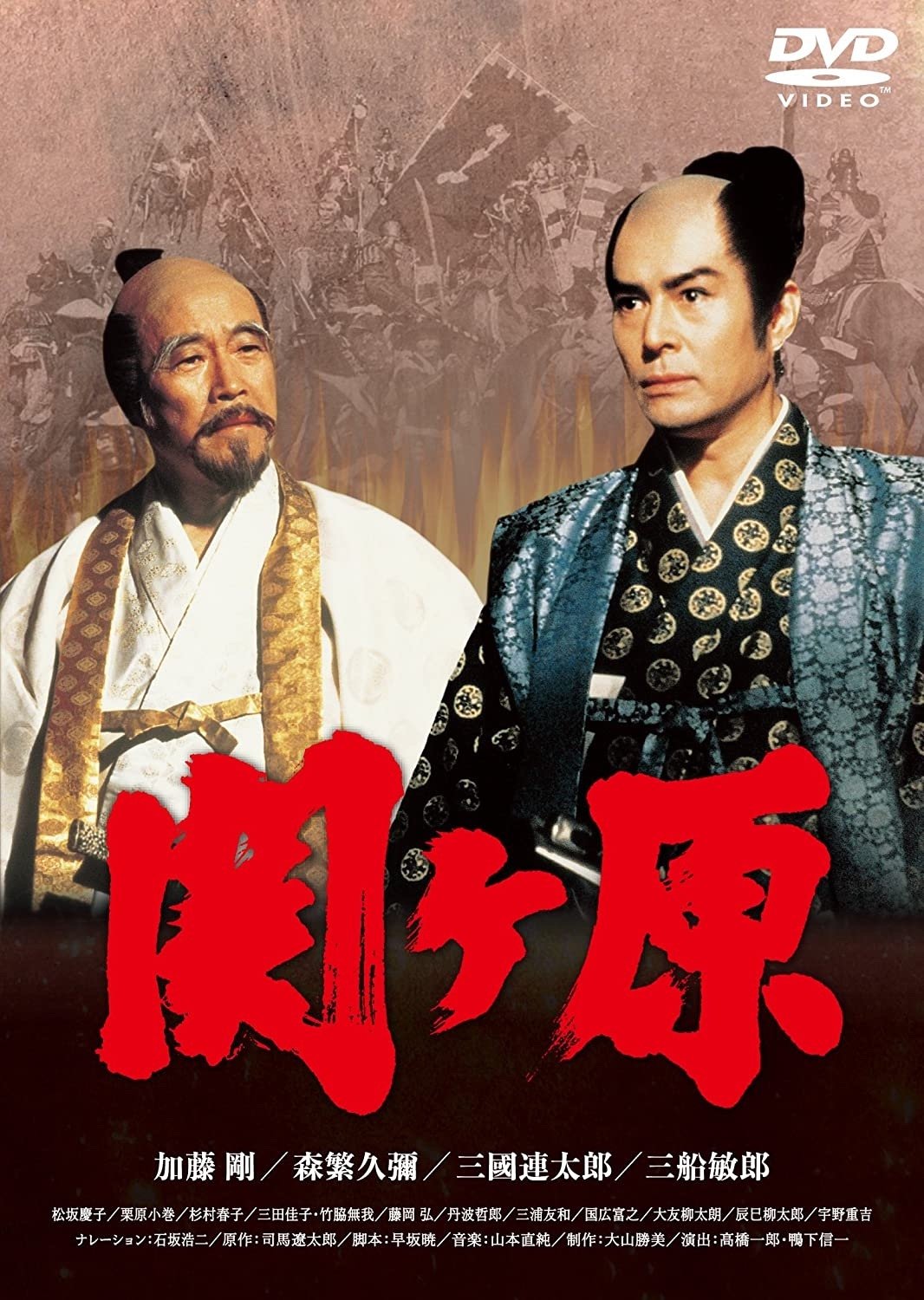
Sekigahara
Blockbuster drama based on the novel Sekigahara by Ryotaro Shiba, a program dedicated to the 30th anniversary of TBS. A total of 120 actors, 3,500 extras and about 500 horses recreated the largest battle in history, the Battle of Sekigahara, in which 200,000 warriors clashed from east and west. The battle, which can be called a turning point in the history of Japan, depicts the conflict, love and hate between people on a grand scale and with a great cast.
Insights
Plot Summary
Based on the historical novel by Ryotaro Shiba, this film chronicles the events leading up to the pivotal Battle of Sekigahara in 1600, which determined the future ruler of Japan. It focuses on the complex political machinations, personal ambitions, and shifting alliances between the warlords, particularly the rivalry between Tokugawa Ieyasu and Ishida Mitsunari. The narrative explores the strategies, betrayals, and ultimately the catastrophic clash that reshaped the nation's destiny.
Critical Reception
While "Sekigahara" was not released theatrically in many Western countries and is less widely known than some of Kurosawa's other works, it is generally regarded as a solid, albeit somewhat less ambitious, historical epic from the director. Critics often praise its visual scope and the performances, especially from Mifune and Nakadai, though some find the narrative complex and the pacing uneven compared to his masterpieces. It is considered a valuable addition to Kurosawa's filmography, offering a detailed look at a crucial moment in Japanese history.
What Reviewers Say
Praised for its historical scope and visual direction.
Notable performances from Toshiro Mifune and Tatsuya Nakadai.
Some viewers find the political intrigue dense and the narrative challenging.
Google audience: Information on specific Google user reviews for "Sekigahara (1981)" is not readily available, making it difficult to summarize audience sentiment.
Fun Fact
Akira Kurosawa's "Sekigahara" was intended to be a massive production, but budget constraints and other production issues led to it being significantly scaled down from Kurosawa's original vision, and it was initially released as a television film in Japan.
AI-generated overview · Verify ratings on official sources