TV Show spotlight
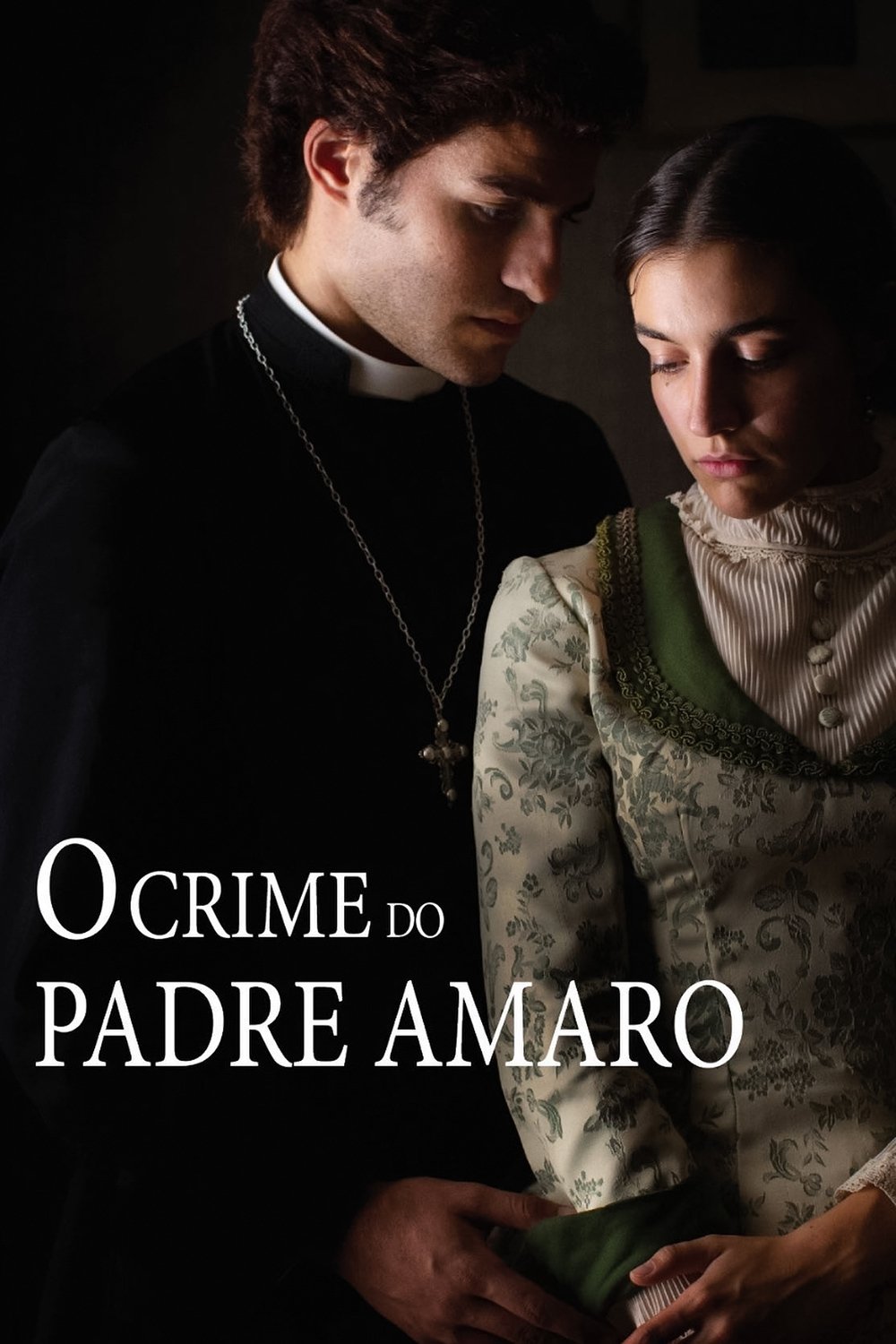
The Crime of Father Amaro
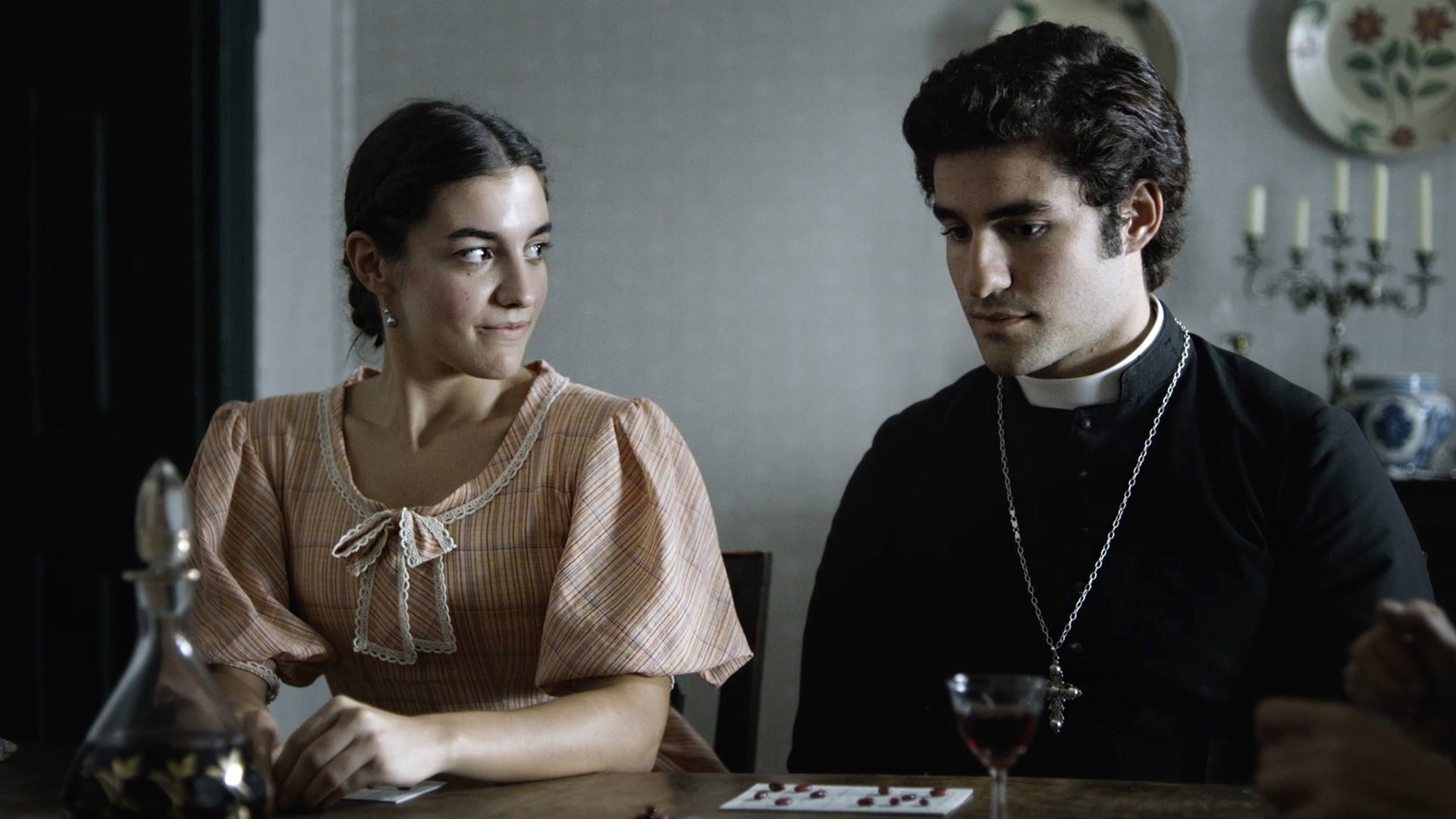
Based on Eça de Queiroz's 1875 novel, the plot takes place in Leiria, Portugal, at the end of the 1860s, and follows the story of the forbidden passion between Amaro, a young priest, and Amélia, "the most beautiful girl in Leiria". Tense, emotional and rooted in personality conflicts, the series takes a critical look at society and the church in Portugal, in Leiria in the 19th century.
Insights
Plot Summary
A young, ambitious priest, Father Amaro, arrives in a small Mexican town and quickly becomes entangled in a web of corruption, lust, and hypocrisy. He attempts to navigate his faith and desires while confronting the darker secrets of the local clergy and community. His moral compromises escalate as he falls for a young woman, leading to tragic consequences.
Critical Reception
The film garnered significant attention and controversy for its depiction of religious corruption and its exploration of taboo themes. It was praised for its strong performances, particularly from Gael García Bernal, and its unflinching portrayal of societal issues in rural Mexico. However, it also faced criticism and condemnation from religious groups for its perceived blasphemy and negative portrayal of the Catholic Church.
What Reviewers Say
Praised for its provocative and unflinching examination of faith, sin, and corruption within the Catholic Church.
Gael García Bernal delivers a compelling performance as a morally compromised priest.
The film's controversial themes and explicit content sparked debate but also highlighted important social issues.
Google audience: Audiences found the film to be a powerful and thought-provoking drama, with many commending its strong acting and bold storytelling. Some viewers expressed discomfort with the explicit content and controversial subject matter, while others appreciated its critical look at religious institutions.
Awards & Accolades
Nominated for the Academy Award for Best Foreign Language Film. Won multiple awards at the Ariel Awards in Mexico.
Fun Fact
The film was banned in several countries due to its controversial depiction of the Catholic Church and its themes.
AI-generated overview · Verify ratings on official sources