TV Show spotlight
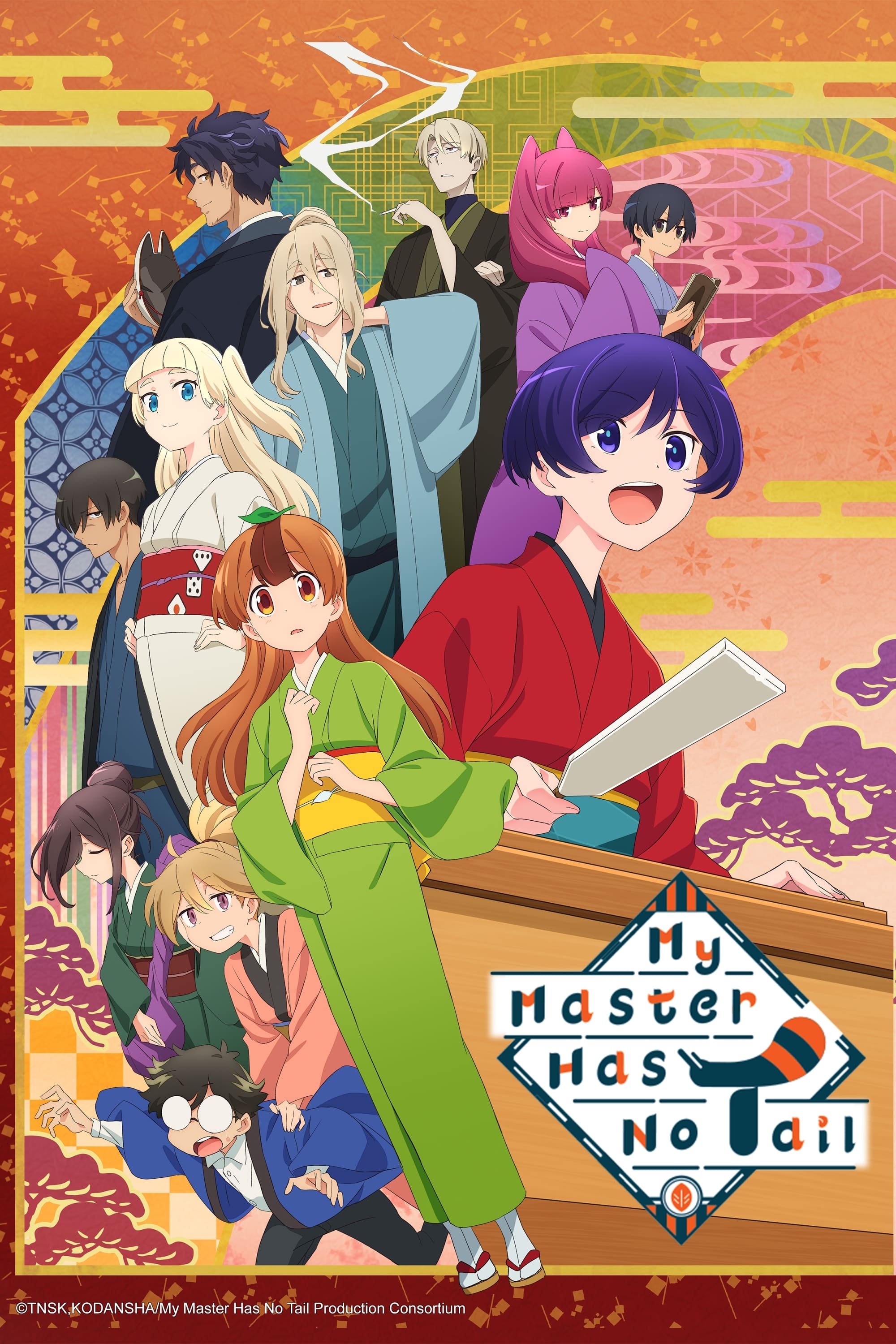
My Master Has No Tail
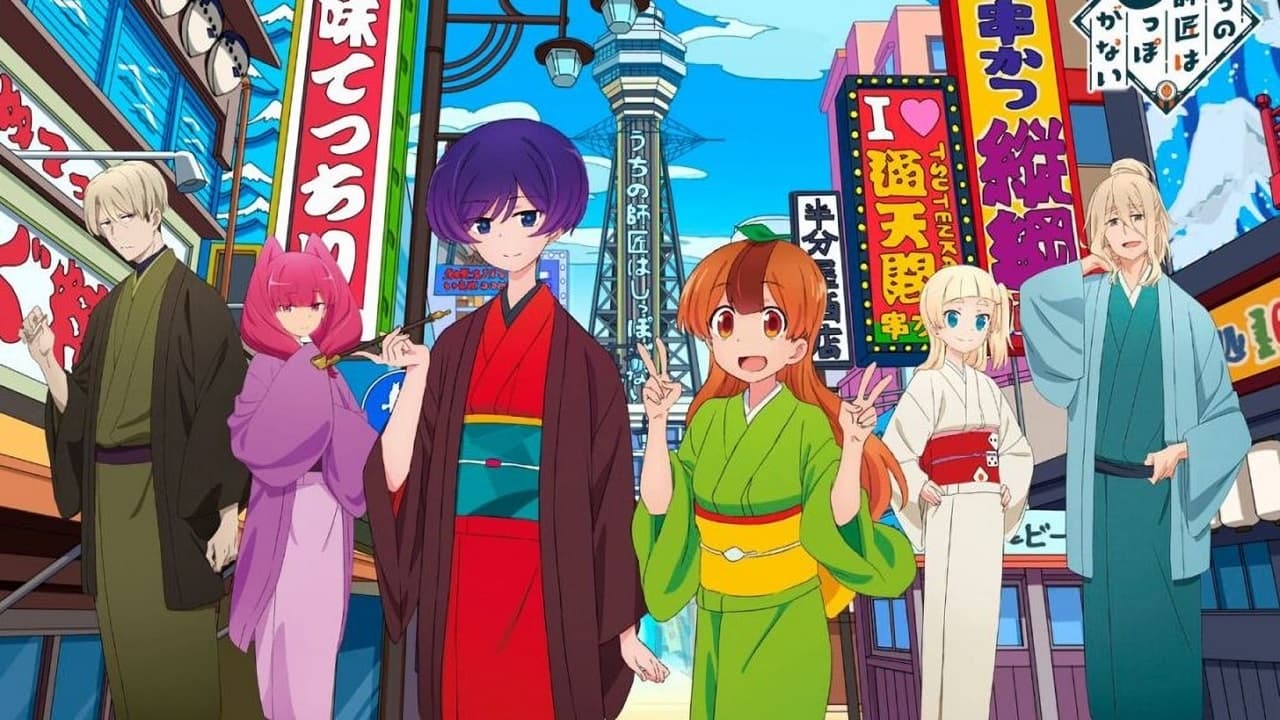
Mameda is a tanuki who was born in the wrong era - all she wants is to trick humans, but that age of tanuki shenanigans is over. But one woman, a rakugo master named Bunko, shows Mameda it's still possible to cast magic on humans...only with words, not illusions. Mameda is determined to become Bunko's apprentice, but can she convince the stoic master to take her on...?
Insights
Plot Summary
In the Taisho era of Japan, a young tanuki named Mameda desperately wants to play tricks on humans. However, she's no match for the cunning Rakkyo, a kitsune who effortlessly outsmarts her. Seeking a new path, Mameda decides to find a human master to learn from, hoping to eventually become a master trickster herself. She encounters Bunko, a beautiful Rakugo storyteller, and decides Bunko is the perfect master to learn from, embarking on a journey of growth and unexpected mentorship.
Critical Reception
My Master Has No Tail was generally well-received by critics and audiences alike, praised for its charming characters, unique premise blending folklore with slice-of-life elements, and its humorous yet heartfelt storytelling. The animation and voice acting were also frequently highlighted as strengths.
What Reviewers Say
Praised for its imaginative premise rooted in Japanese folklore.
Commended for its blend of humor, heart, and character development.
Appreciated for its visually appealing animation and strong voice performances.
Google audience: Audience reviews tend to highlight the show's engaging characters, particularly Mameda's journey and her interactions with Bunko. Many viewers found the series to be a delightful and refreshing watch, appreciating its unique cultural elements and comedic timing.
Fun Fact
The series is based on a manga of the same name written and illustrated by Kenjiro Hata, who is also known for the popular manga 'Hayate the Combat Butler'.
AI-generated overview · Verify ratings on official sources