
TV Show spotlight
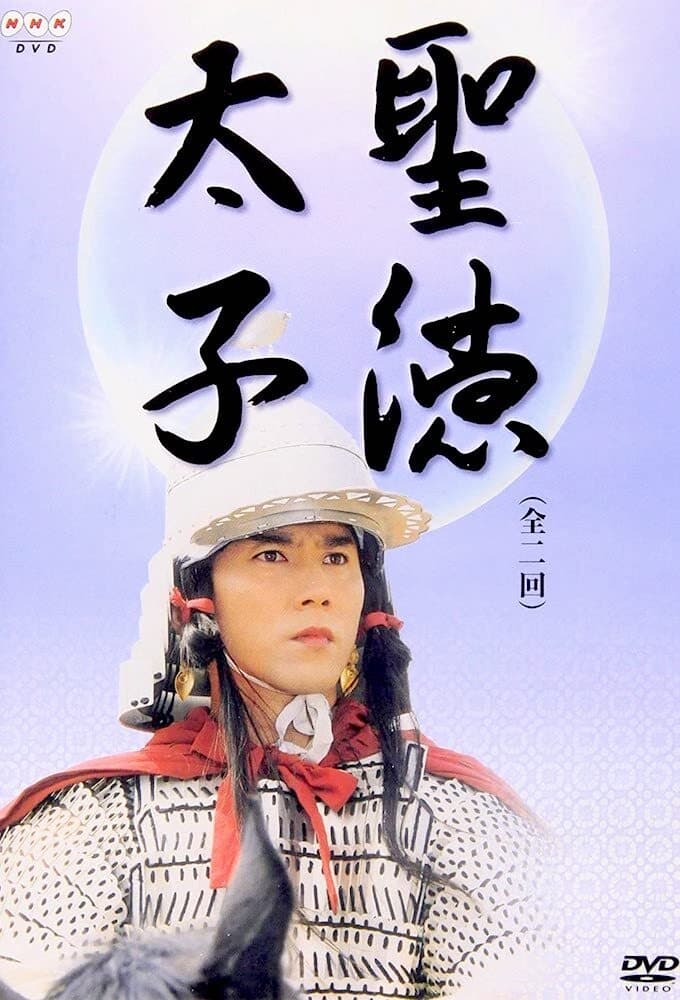
Prince Shotoku
In the late 6th century the leaders of the Yamato Dynasty had no clear plan for the creation of a unified state. Battles still raged among various warrior clans. Shotoku Taishi, second son of Emperor Yomei, strived to create a new nation out of this chaos. NHK captures this great man from a time in history rarely depicted on screen, in a story of epic proportions. Shotoku Taishi is known mainly through legends and myths and has been viewed as more god than man. The elaborate and colorful costumes of the time and the beauty of ancient Japan enhance this fascinating historical drama.
Insights
Plot Summary
This historical drama chronicles the life and achievements of Prince Shotoku, a legendary regent who played a pivotal role in the establishment of Japanese Buddhism and the centralization of the state in the Asuka period. The film explores his political acumen, his dedication to scholarly pursuits, and his influence on the cultural and religious landscape of early Japan. It highlights his efforts to reform the government, introduce a new legal code, and foster a unified national identity.
Critical Reception
Information on critical reception and audience scores for the 2001 Japanese film 'Prince Shotoku' is limited in English-language databases. It is generally considered a niche historical drama likely appreciated by those interested in Japanese history and culture.
What Reviewers Say
Focuses on the significant historical impact of Prince Shotoku.
Praised for its portrayal of early Japanese statecraft and Buddhist influence.
Appeals to viewers interested in Japanese history and cultural development.
Google audience: Due to limited availability of user reviews in English, a specific summary of Google user sentiment is not available.
Fun Fact
Prince Shotoku is credited with establishing the Twelve Level Cap and Rank System, a hierarchical court system that influenced Chinese bureaucratic practices and was adopted in Japan.
AI-generated overview · Verify ratings on official sources