
TV Show spotlight
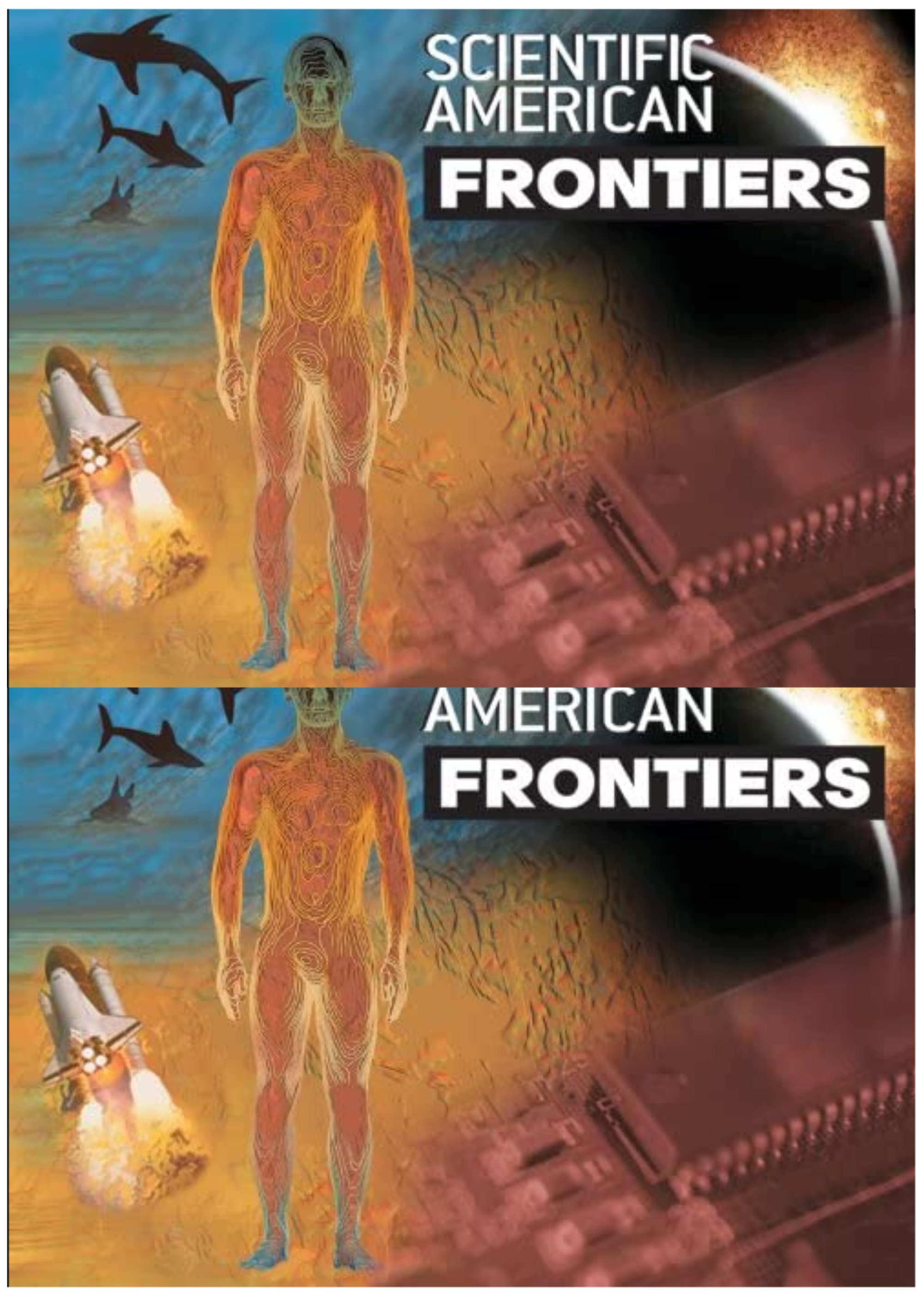
Scientific American Frontiers
Scientific American Frontiers was an American television program primarily focused on informing the public about new technologies and discoveries in science and medicine. It was a companion program to the Scientific American magazine. The show was produced for PBS in the U.S. by The Chedd-Angier Production Company, Watertown, Massachusetts, and typically aired once every two to four weeks. To this day, the shows can be viewed on-line at their website, and continue to air regularly on the national digital channel World. The show first aired in 1990 with MIT professor Woodie Flowers who served as the original host from 1990 to the spring of 1993. Actor Alan Alda became the permanent host starting in the fall season of 1993 and continued until the show ended in 2005. Alda's tenure has been notable for his humble and often humorous approach: in one memorable segment, he became car sick while driving an experimental, virtual reality vehicle. In 2005, Alda published his first round of memoirs, Never Have Your Dog Stuffed: and Other Things I've Learned, published by Random House; in the book, he recalls his intestines becoming strangulated while on location in Chile for the show, an incident that nearly cost him his life since he was in a remote region and it was difficult to get to a doctor. Finally he found one, who turned out to be a M*A*S*H fan. Further, the treatment was familiar to Alda; the historical development of techniques for vascular anastomosis during the Korean war had featured in the show's scripts.
Insights
Plot Summary
Scientific American Frontiers was an acclaimed documentary television series that explored the cutting edge of scientific and technological innovation. Each episode delved into diverse topics, from breakthroughs in medicine and physics to explorations of the natural world and the future of humanity. Hosted by diverse science journalists, the series aimed to make complex scientific concepts accessible and engaging for a broad audience.
Critical Reception
The series was widely praised for its informative content, engaging presentation, and its ability to demystify complex scientific subjects. Critics lauded its high production values and the clarity with which it communicated breakthroughs, making it a valuable resource for public science education.
What Reviewers Say
Praised for its educational value and accessibility.
Commended for its exploration of diverse scientific topics.
Noted for its engaging and clear presentation of complex ideas.
Google audience: Information on Google user reviews for this specific season is not readily available, but the series historically garnered a reputation for being informative and well-produced.
Awards & Accolades
None notable (as it was a long-running educational series rather than a film with specific award-seeking releases)
Fun Fact
The 'Frontiers' aspect of the title and its focus on innovation reflected the magazine's long-standing tradition of covering the latest advancements in science and technology.
AI-generated overview · Verify ratings on official sources