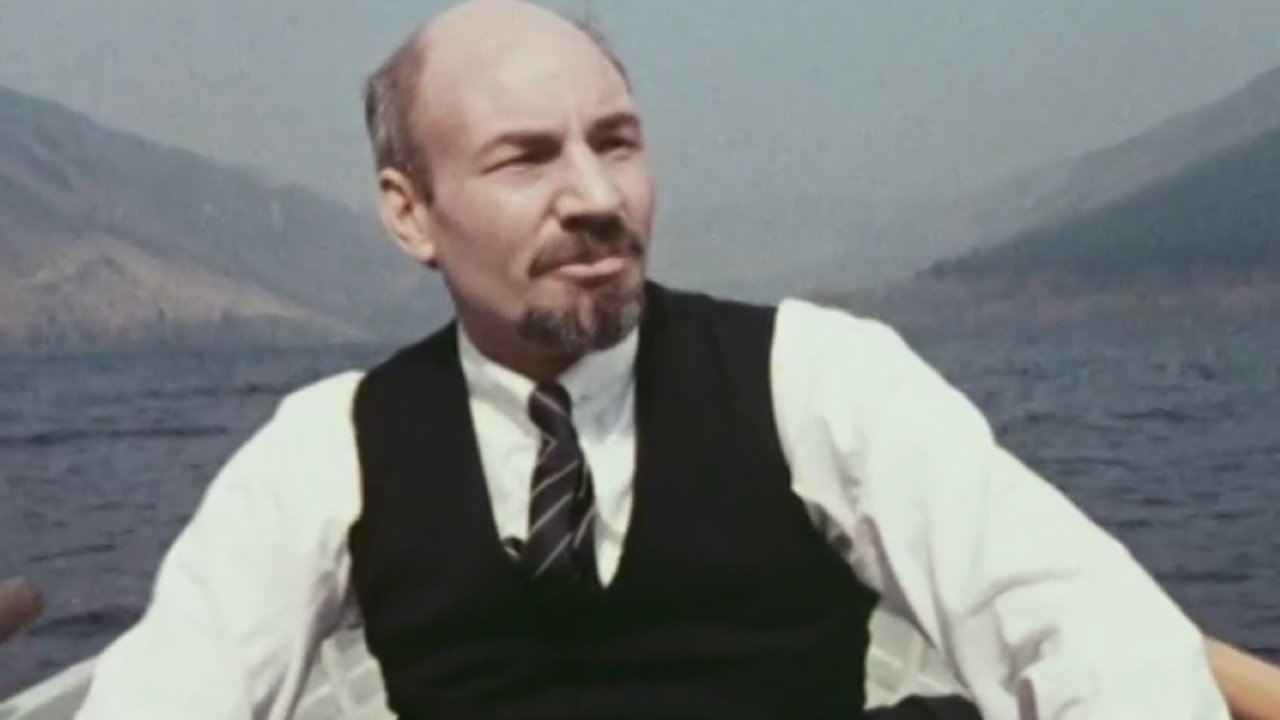

TV Show spotlight
Fall of Eagles
"Fall of Eagles" is a 13-part British television drama aired by the BBC in 1974. The series portrays historical events from 1848 to 1918, dealing with the collapse of the ruling dynasties of Austria-Hungary (the Habsburgs), Germany (the Hohenzollerns) and Russia (the Romanovs).
Insights
Plot Summary
This 13-part television series chronicles the final years of four European imperial dynasties: the Hohenzollerns of Germany, the Habsburgs of Austria-Hungary, the Romanovs of Russia, and the Ottomans of Turkey. It focuses on the key figures and events that led to their downfall during the tumultuous period leading up to and during World War I.
Critical Reception
Fall of Eagles was widely acclaimed by critics and audiences for its historical accuracy, ambitious scope, and compelling performances. The series was praised for bringing complex historical events and figures to life in an accessible and engaging manner, particularly for its nuanced portrayal of the political machinations and personal dramas within the ruling families.
What Reviewers Say
Praised for its detailed historical research and faithful depiction of events.
Lauded for its strong ensemble cast and compelling narrative.
Noted for its educational value in understanding the causes of World War I.
Google audience: Audience reception, while not quantified by specific Google ratings from the era, is generally positive among historical drama enthusiasts who appreciate its in-depth look at the collapse of European monarchies.
Awards & Accolades
Nominated for the BAFTA Award for Best Television Drama Series.
Fun Fact
The series was a significant undertaking for the BBC, filmed in various European locations to authentically represent the settings of the four imperial powers.
AI-generated overview · Verify ratings on official sources