
TV Show spotlight
Beacon Hill
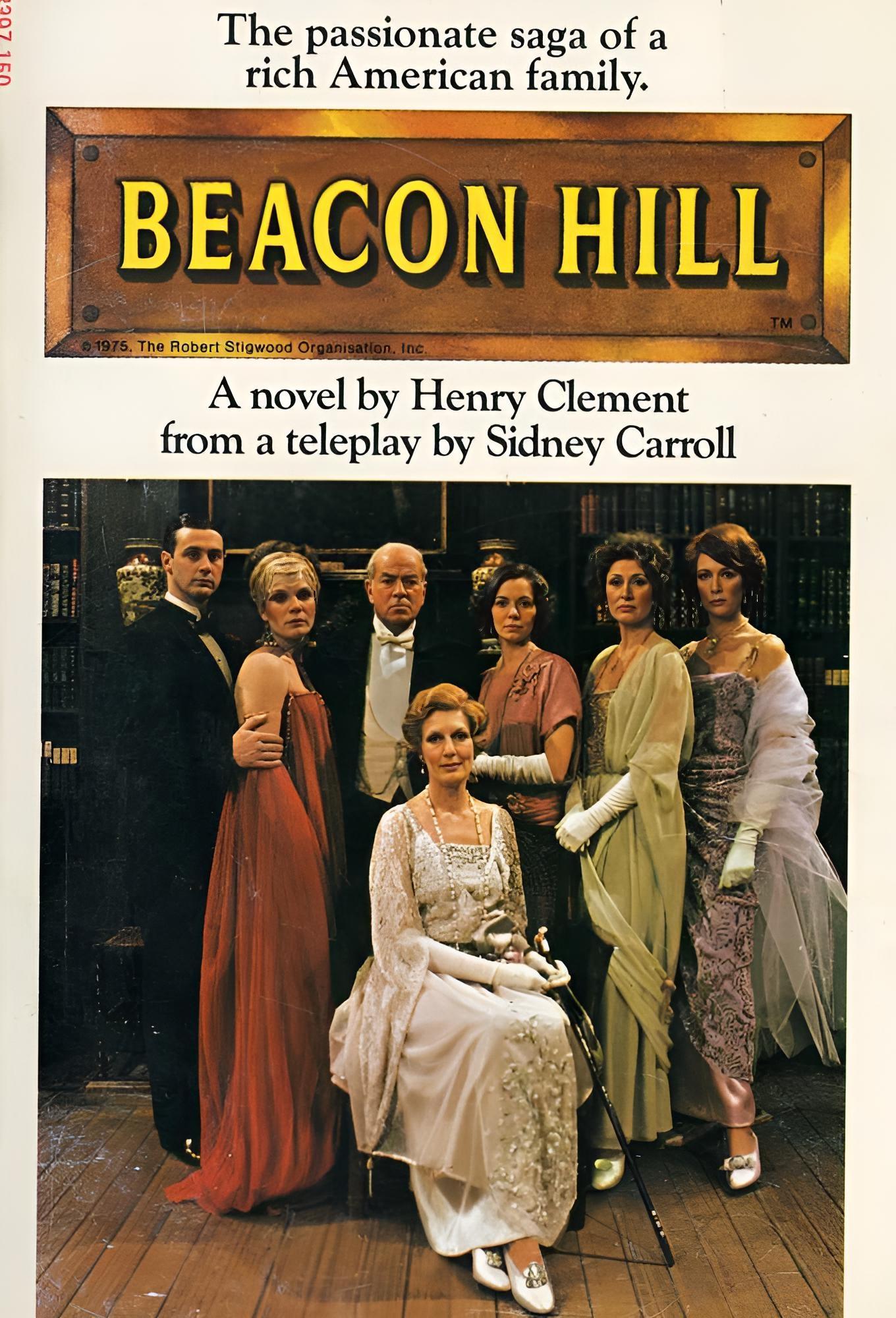
Short lived soap opera about rich family and their servants in 1920s Boston.
Insights
Plot Summary
Beacon Hill was a short-lived American prime-time soap opera that centered on the powerful and complex lives of the wealthy and influential residents of a fictional Boston neighborhood. The series delved into their entangled relationships, business dealings, political maneuverings, and personal scandals. It explored themes of love, betrayal, ambition, and the corrupting influence of power within the upper echelons of society.
Critical Reception
Beacon Hill received a lukewarm reception during its brief run. While it aimed for the dramatic intensity of popular soap operas, it struggled to find a consistent audience or critical acclaim. Critics often noted its derivative nature and lack of originality compared to more established shows in the genre. However, some performances were occasionally praised for their efforts in bringing the dramatic storylines to life.
What Reviewers Say
Felt like a pale imitation of more successful nighttime soaps.
Struggled to establish a unique identity amidst genre competitors.
Premise offered potential but execution was deemed inconsistent.
Google audience: Information regarding specific Google user reviews for Beacon Hill is not readily available due to its limited broadcast and historical context. As a result, a summary of what Google users liked or disliked cannot be provided.
Fun Fact
Beacon Hill was developed by Norman Lear, a television legend known for groundbreaking sitcoms, marking an unusual departure into the dramatic soap opera genre for him.
AI-generated overview · Verify ratings on official sources