TV Show spotlight
The Future Is Wild
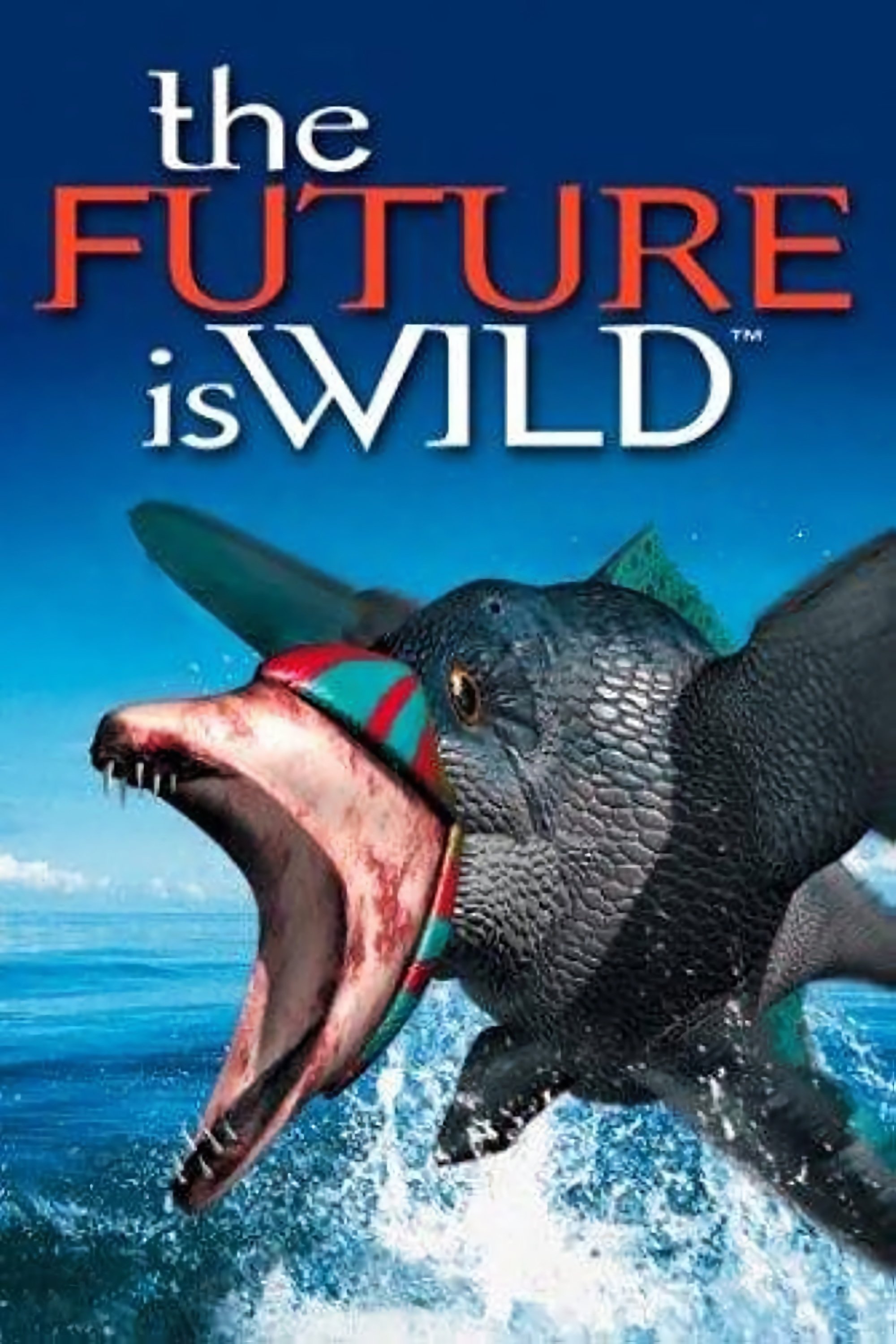
The Future Is Wild was a 2002 thirteen-part documentary television miniseries. Based on research and interviews with several scientists, the miniseries shows how life could evolve in the future if Homo sapiens left the earth. The version broadcast on the Discovery Channel modified this premise, supposing instead that the human race had completely abandoned the Earth and had sent back probes to examine the progress of life on the planet. The show took the form of a nature documentary. The miniseries was released with a companion book written by geologist Dougal Dixon, the author of several "anthropologies and zoologies of the future", in conjunction with natural history television producer John Adams. For a time in 2005, a theme park based on this program was opened in Japan. In 2008 a special on the Discovery Channel about the development of the video game Spore was combined with airings of The Future Is Wild. A film version of the series was picked up by Warner Bros.
Insights
Plot Summary
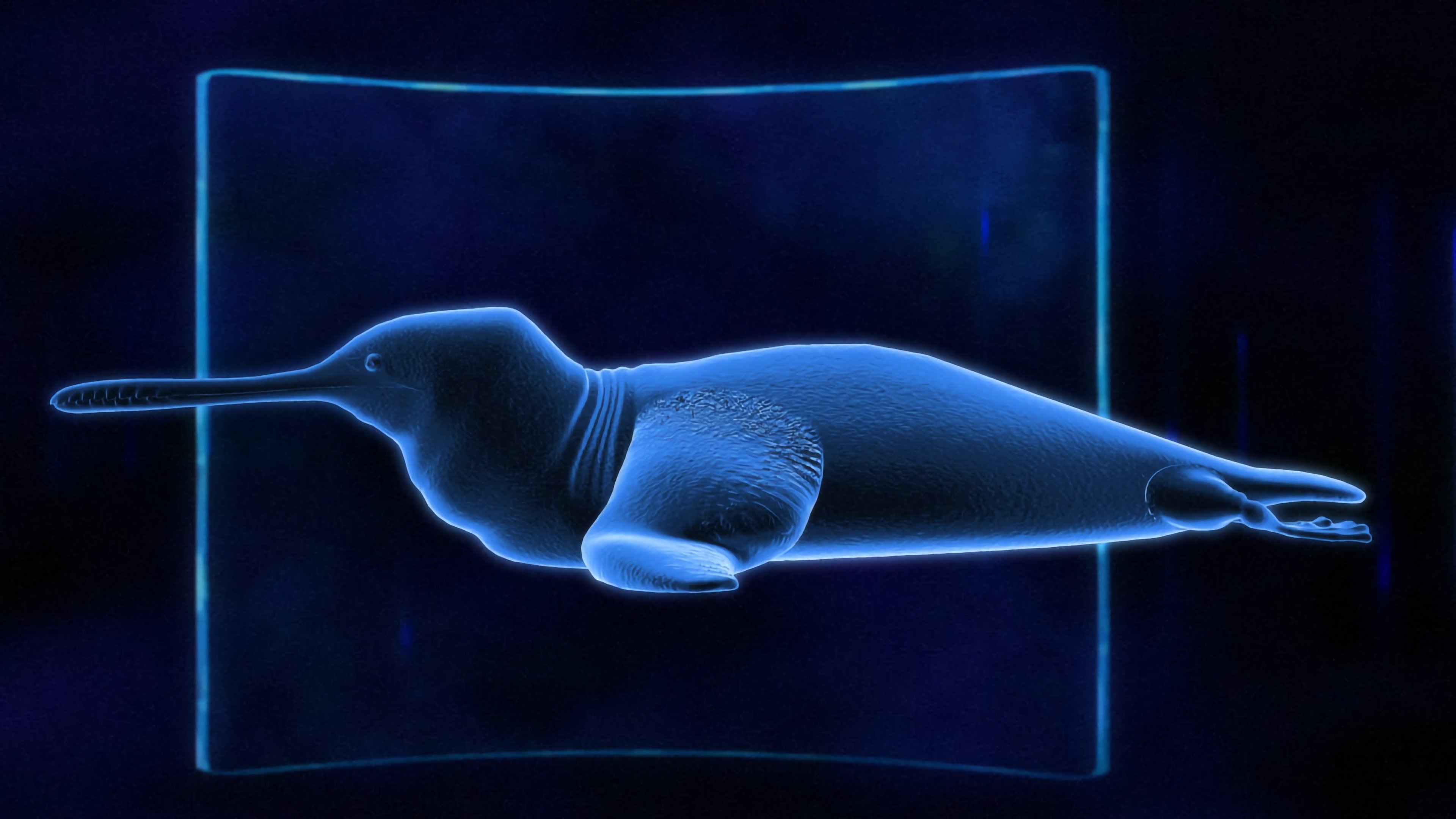
This documentary series explores speculative evolution, imagining what life on Earth might look like 5, 100, and 200 million years in the future. It showcases the potential adaptations and diverse forms that animals and plants could evolve into, given millions of years of environmental change and natural selection. The series uses CGI to bring these hypothetical future creatures and ecosystems to life, based on scientific projections.
Critical Reception
The Future Is Wild was generally well-received for its imaginative concept and impressive visual effects, which brought complex scientific theories about evolution to life in an accessible and engaging way. It was praised for its educational value and its ability to spark curiosity about the long-term future of life on our planet.
What Reviewers Say
Praised for its innovative premise and engaging visuals.
Commended for its educational approach to speculative evolution.
Seen as a thought-provoking exploration of future biodiversity.
Google audience: N/A
Fun Fact
The series was inspired by the book of the same name by Dougal Dixon, a renowned speculative zoologist.
AI-generated overview · Verify ratings on official sources