TV Show spotlight
The Funny Company
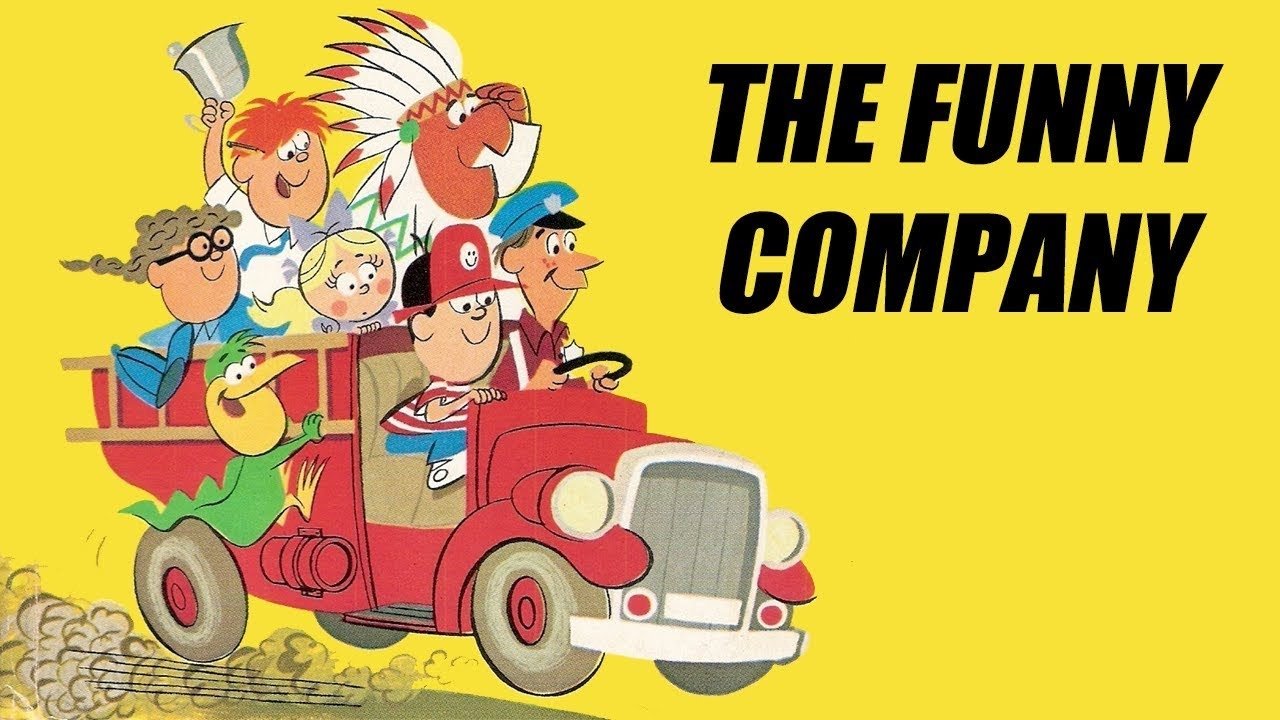
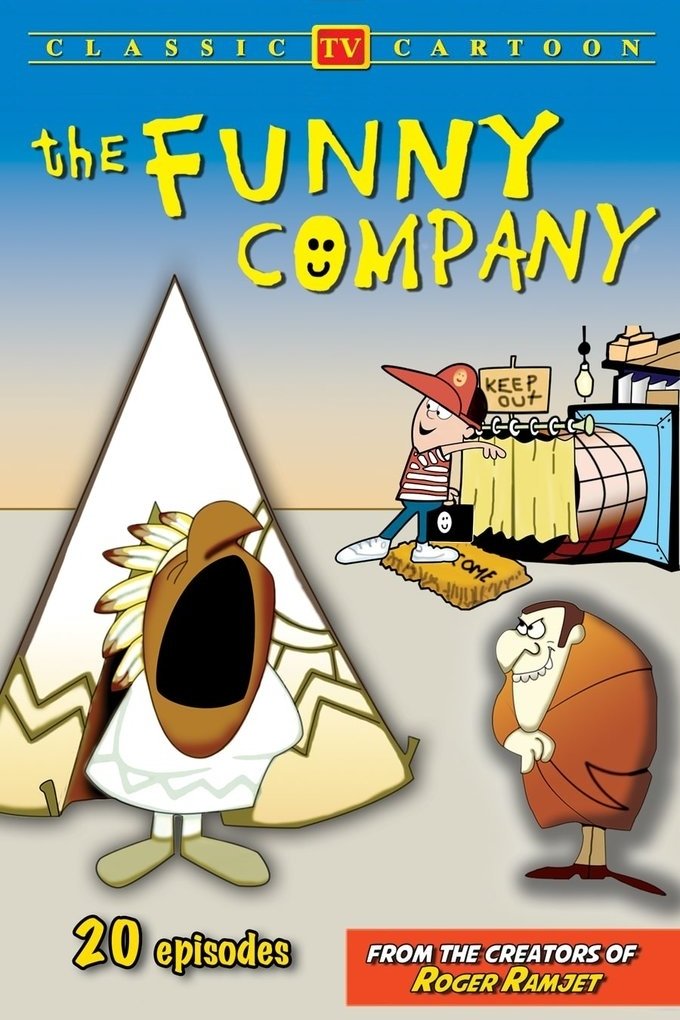
THE FUNNY COMPANY was an American animated cartoon produced in 1963 and seen in syndication. Ken Snyder and Charles Koren produced 260 six-minute long episodes. The Mattel Corporation provided financial backing. Snyder conceived the program in response to then-Federal Communications Commission chairman Newton N. Minow's call for more educational children's programs. THE FUNNY COMPANY group resembled a club not unlike a Junior Achievement organization, and most of the time, the stories would revolve around the Company being hired for various jobs to make a little money or doing something for charity. As time went on, the Company decided to make Shrinkin' Violette a movie star and were on their way to Hollywood. Members included leader Buzzer Bell, inventor Jasper N. Park, club secretary Polly Plum, rotund Merry Twitter, club mascot Terry Dactyl, shy Shrinkin' Violette, and two Native American adults--Super Chief whose voice was an air horn of a single-chime railroad locomotive, and his translator Broken Feather. Another adult lending a hand was Professor Todd Goodheart with his supercomputer, the Weisenheimer.
Insights
Plot Summary
The Funny Company was a children's television program that aired in the early 1960s. It featured a group of characters who engaged in various comedic sketches and musical numbers aimed at entertaining young viewers. The show's format was designed to be lighthearted and educational, incorporating lessons within its fun-filled episodes.
Critical Reception
As a children's program from the early 1960s, "The Funny Company" was generally well-received by its target audience and their parents for its cheerful and engaging content. Critical reviews from the era, if they existed in a formal capacity, likely focused on its suitability for young children, its educational value, and its entertainment factor. Contemporary discussions often highlighted its positive and wholesome nature.
What Reviewers Say
Praised for its bright, colorful presentation and engaging characters that appealed to young children.
Appreciated for its lighthearted humor and simple, positive messages integrated into the skits.
Considered a wholesome and safe viewing option for families with young children during its broadcast era.
Google audience: Information on specific Google user reviews for "The Funny Company" from 1963 is not readily available. However, based on its nature as a children's show from that era, it is presumed to have been viewed positively by families seeking entertaining and age-appropriate content.
Fun Fact
The show's theme song, known for its catchy melody, was often cited as a favorite among its young viewers and contributed significantly to the program's memorable identity.
AI-generated overview · Verify ratings on official sources