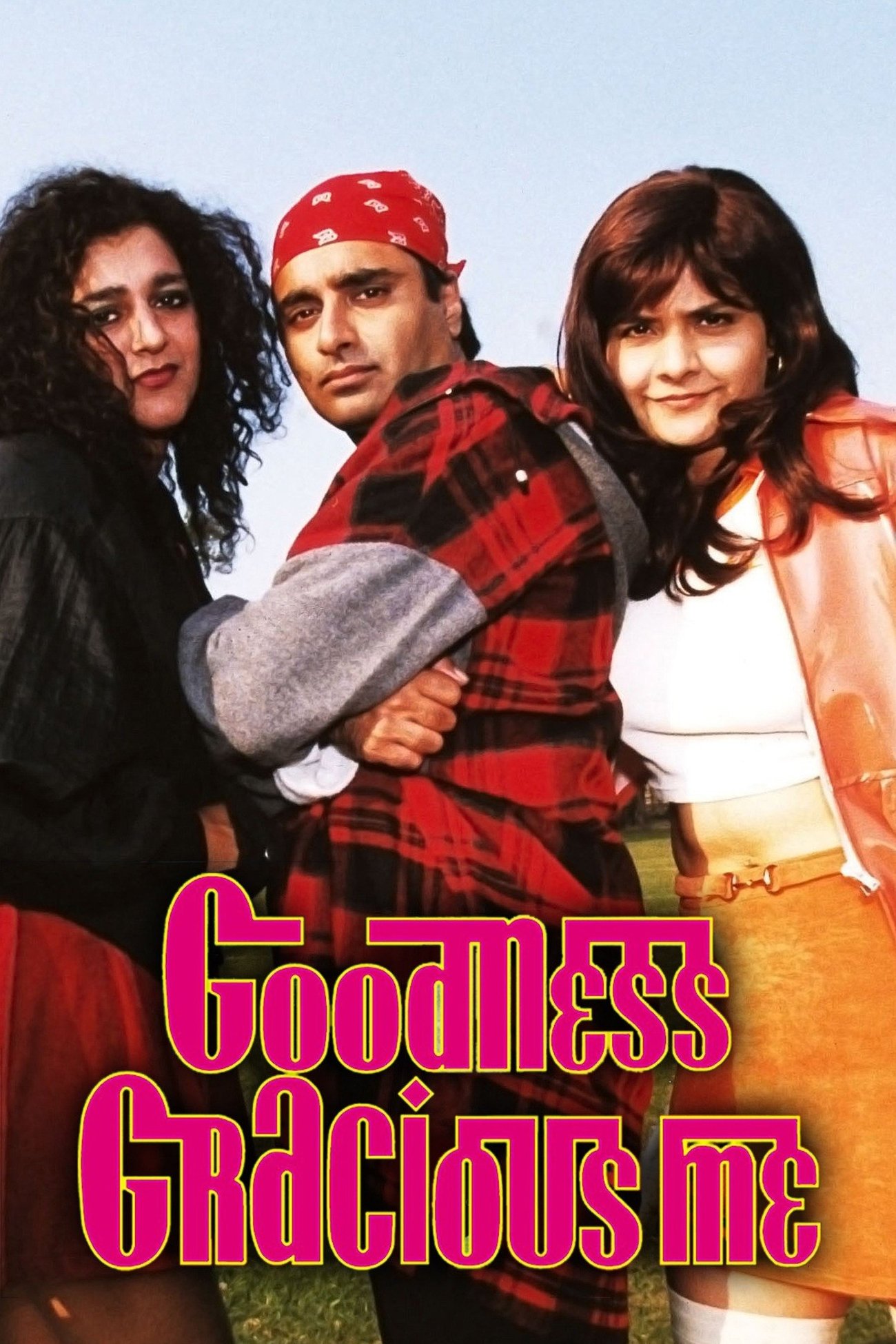
Goodness Gracious Me

Goodness Gracious Me

2001TV ShowEnded4 SeasonsEnglish

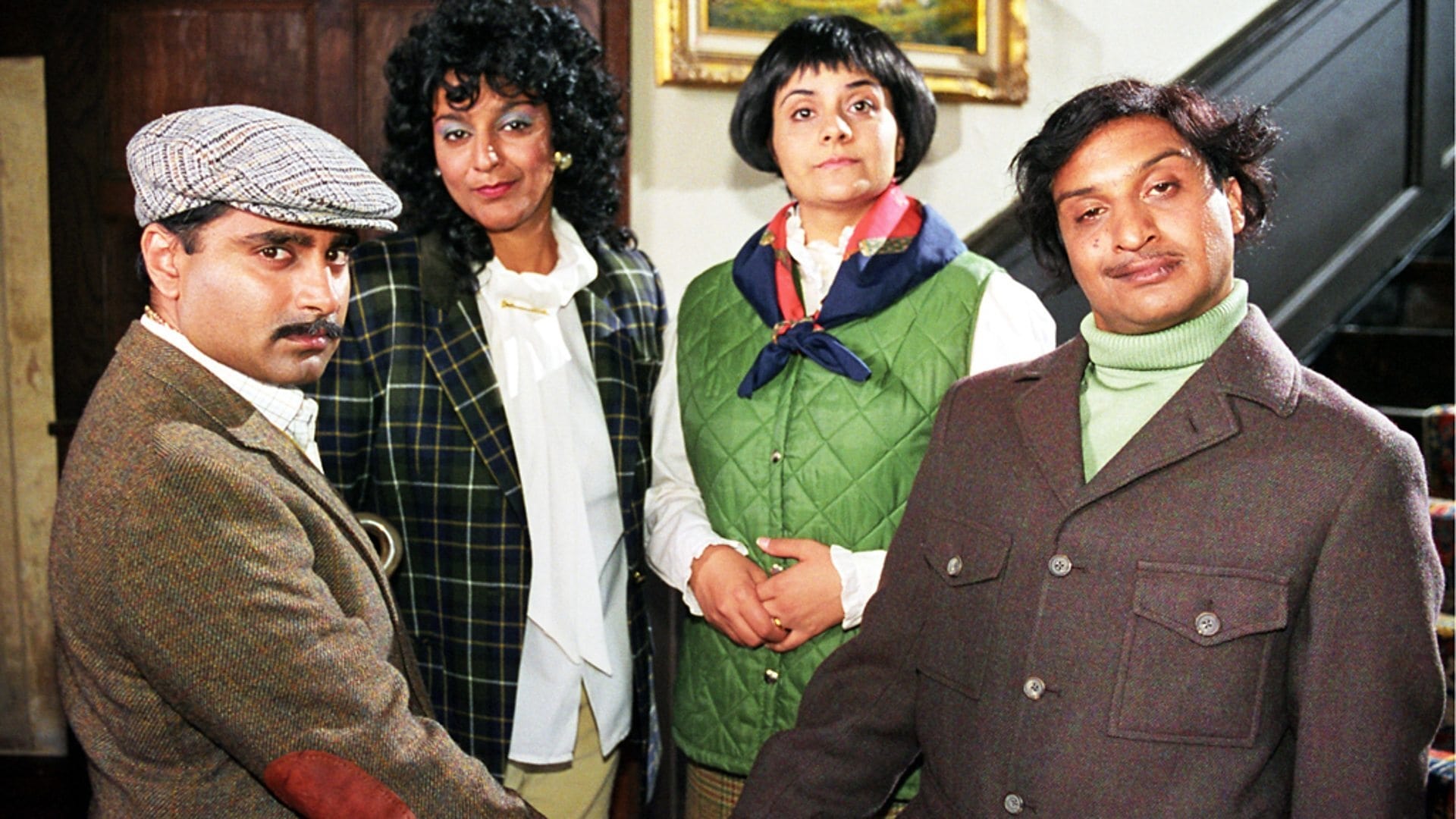
Goodness Gracious Me is a BBC English language sketch comedy show originally aired on BBC Radio 4 from 1996 to 1998 and later televised on BBC Two from 1998 to 2001. The ensemble cast were four British Indian actors, Sanjeev Bhaskar, Kulvinder Ghir, Meera Syal and Nina Wadia. The show explored the conflict and integration between traditional Indian culture and modern British life. Some sketches reversed the roles to view the British from an Indian perspective, and others poked fun at Indian stereotypes. In the television series most of the white characters were played by Dave Lamb and Fiona Allen; in the radio series those parts were played by the cast themselves. The show's title and theme tune is a bhangra rearrangement of a hit comedy song of the same name. The original was performed by Peter Sellers and Sophia Loren reprising their characters from the 1960 film The Millionairess. The show's original working title was "Peter Sellers is Dead", but was changed because the cast generally liked Peter Sellers. In her 1996 novel Anita and Me, Syal had referred to British parodies of Asian speech as "a goodness-gracious-me accent". One of the more famous sketches featured the cast "going out for an English" after a few lassis. They mispronounce the waiter's name, order the blandest thing on the menu and ask for twenty-four plates of chips. The sketch parodies often-drunk English people "going out for an Indian", ordering chicken phall and too many papadums. This sketch was voted the 6th Greatest Comedy Sketch on a Channel 4 list show.

Read Reviews

Insights

IMDb7.6/10
Director: Ed ByeGenres: Comedy, Sketch

Plot Summary

Goodness Gracious Me is a British sketch comedy series that satirizes the cultural differences and everyday experiences of British Indians. Through a series of recurring characters and comedic scenarios, the show explores themes of identity, family, and the unique blend of Indian and British cultures. It humorously highlights the nuances of diaspora life, from arranged marriages to navigating stereotypes.

Critical Reception

Goodness Gracious Me was widely acclaimed for its sharp wit, relatable characters, and insightful commentary on multicultural Britain. It resonated with both British Indian audiences and the wider public, praised for its originality and groundbreaking representation. The show is considered a landmark in British comedy for its humor and its ability to tackle cultural nuances with affection and intelligence.

What Reviewers Say

  • Praised for its clever and often hilarious cultural observations.
  • Lauded for its strong ensemble cast and memorable recurring sketches.
  • Celebrated for its pioneering representation of British Asian life in mainstream comedy.

Google audience: While specific Google user ratings are not readily available for this older series, historical audience reception generally indicates a very positive and appreciative response to its humor and cultural insights.

Awards & Accolades

Nominated for a BAFTA TV Award for Best Comedy Programme in 2000. Won a Royal Television Society Television Award for Best Comedy Programme in 1999.

Fun Fact

The show's title is a reference to the popular British phrase used to express surprise or mild disbelief, often associated with the perceived formality of the upper classes.

AI-generated overview · Verify ratings on official sources

My Review